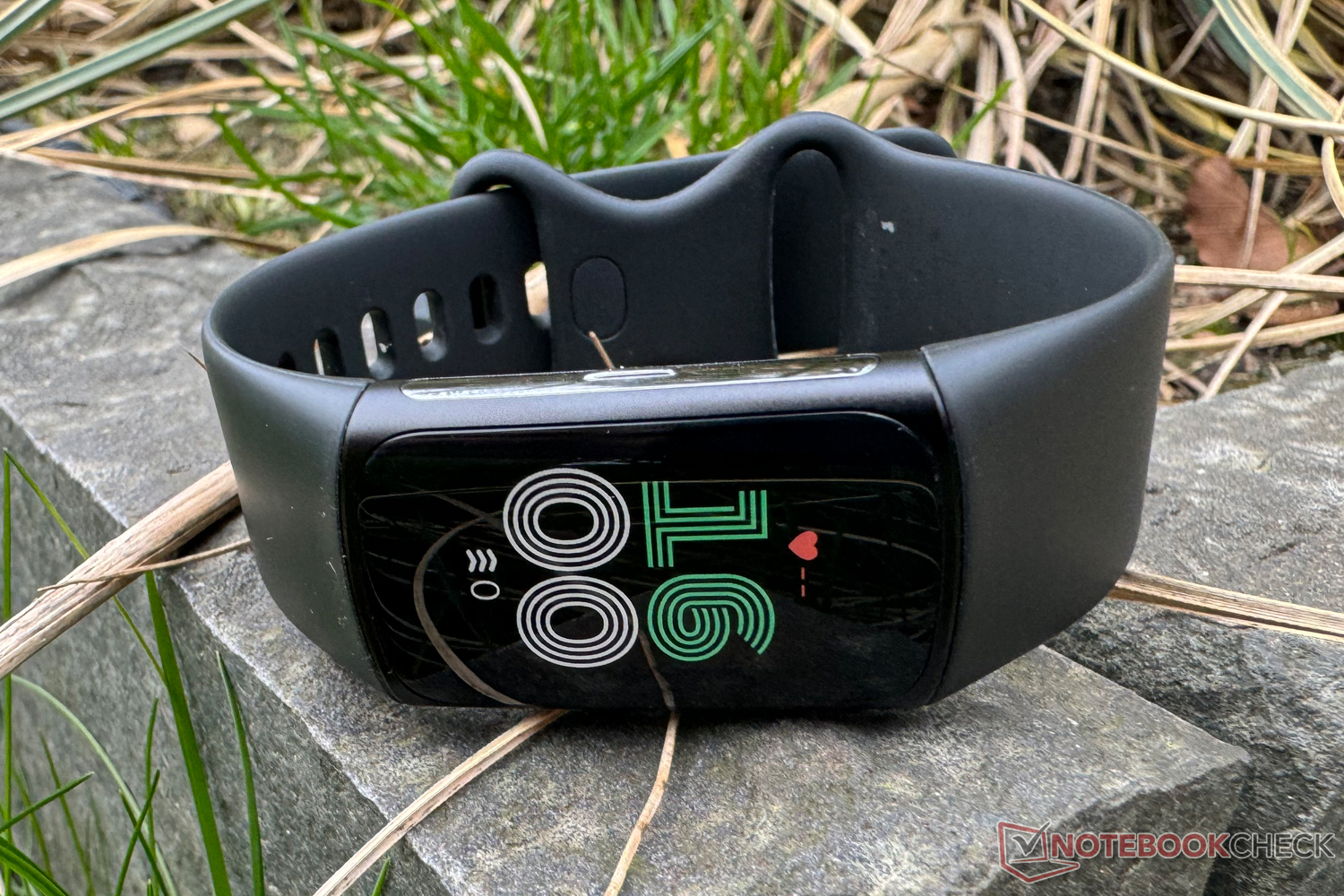
The Fitbit Charge 6 emerges as a formidable addition to the realm of fitness trackers, embedded with a diverse array of functionalities such as GPS and an ECG application. During practical examination, we found some room for improvement in the area of tracking accuracy—certain aspects were not as precise as desired or encountered hiccups in their execution.
Despite these inconsistencies, the heart rate sensor exemplifies a commendable upgrade from its predecessors, boasting enhanced precision with only minute discrepancies evident in test results.
Notable innovations extend to the integration of Google Maps navigation and the option to control music through YouTube Music. However, it is important to note that this music control feature necessitates a YouTube Music Premium subscription, narrowing the range of user options. A broader-minded approach from Google, potentially including a variety of other streaming services, would have been a welcomed enhancement.
The design of the Fitbit Charge 6 reveals a few points of contention, such as the notably thick display edges. Additionally, the decision to reserve certain functions exclusively for Fitbit Premium subscribers may be disheartening, though it seems to be an increasing trend in the industry. The requirement of a Google account to harness the full potential of the device situates the Fitbit Charge 6 firmly within Google’s ecosystem. This close association with Google is further evident through the occasional lack of fluidity experienced when navigating its features on the iOS app.
On the whole, the Fitbit Charge 6 stands as a robust tracker for those ingrained within Google’s services. Its ECG functionality—when functioning optimally—is particularly noteworthy, as it is a feature not commonly found in competing fitness trackers. This advanced attribute, however, comes at a price point which may be higher in comparison to other options on the market.