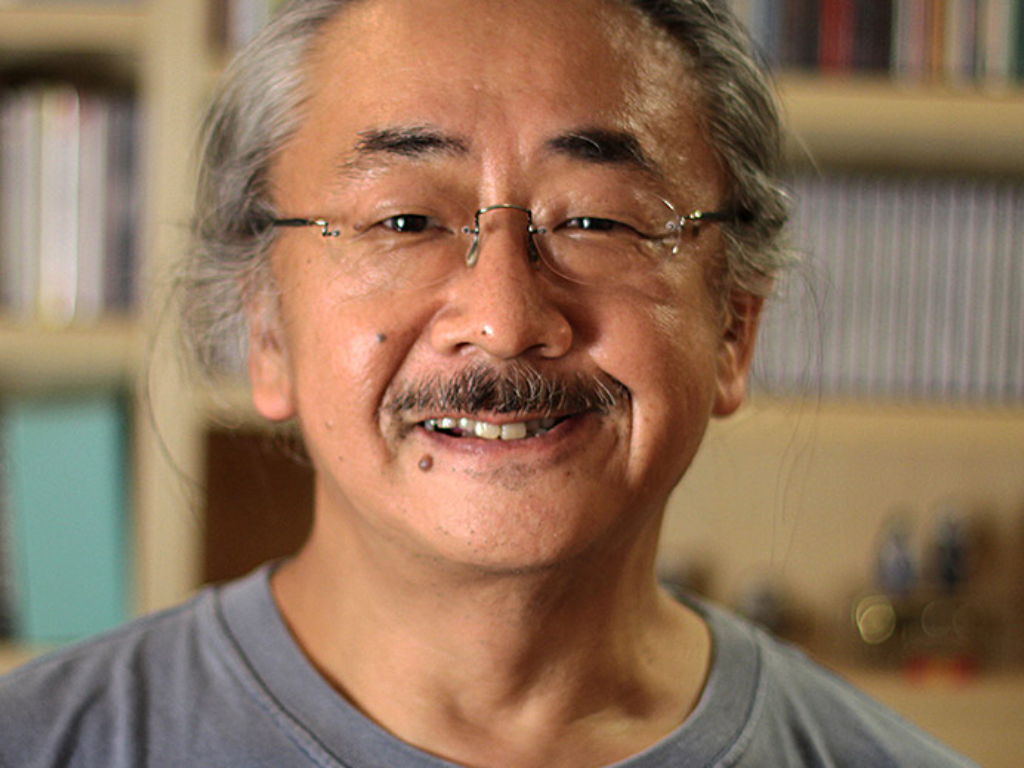
Final Fantasy’s legendary composer, Nobuo Uematsu, isn’t interested in letting generative AI write his music. In a recent interview with a Japanese authors’ and composers’ rights magazine, the 65-year-old artist said he has never used AI tools for composition and likely never will, emphasizing that the real joy of making music comes from personal effort, problem-solving, and the struggles that shape a piece.
Uematsu, best known for crafting the soundtracks of the first nine mainline Final Fantasy games from 1987 to 2000, returned in 2020 to reimagine the main themes for the Final Fantasy VII Remake trilogy. He explained that listeners connect with the human element behind music—the history, emotions, and perspective of the composer—something he believes AI cannot replicate. Human performances, he added, are full of subtle, “unstable” fluctuations that make music feel alive and unique; that organic variability is part of the magic.
Reflecting on game audio’s evolution, Uematsu noted that while visuals keep leaping forward every generation, the major revolution in sound arrived once developers could directly integrate studio-recorded audio into games. From there, he sees the frontier in two areas: spatial audio and seamless music transitions. He pointed out that Final Fantasy X already experimented with spatial audio concepts, and while future demand will depend on players, dynamic transitions between musical cues are another space to refine. Interestingly, he suggested that AI might be useful for technical tasks like smoothing transitions and adaptive playback—even if it doesn’t belong at the core of composing.
His perspective resonates with broader industry voices. Hideo Kojima, for example, has described AI as a collaborative “friend” in development—helpful as a tool, but not a replacement for human creative leadership. Both creators underscore the same idea: technology can support, but it shouldn’t define the art.
For fans of video game music and the Final Fantasy series, Uematsu’s stance draws a clear line between using AI to enhance production workflows and relying on it to generate the soul of a score. As spatial audio and adaptive music systems evolve, his view keeps human artistry at the center—where emotion, intention, and those perfectly imperfect human nuances continue to shape the worlds we play in.