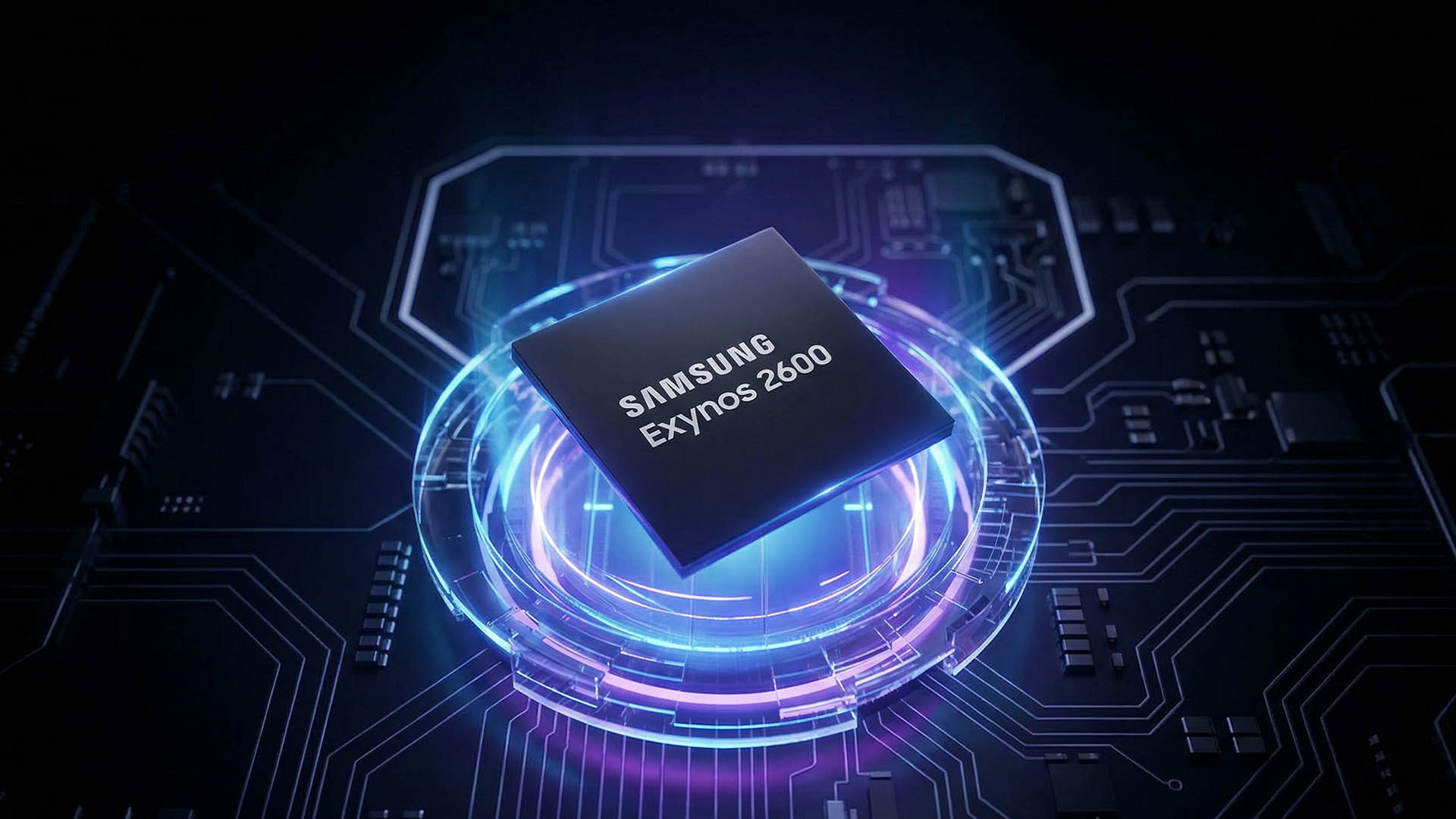
Samsung’s push to control more of its smartphone future is accelerating, and it’s largely being driven by a hard financial lesson. The company’s renewed focus on in-house chip development kicked off with the Exynos 2600, a 2nm GAA system-on-chip that’s now shipping in select Galaxy S26 and Galaxy S26+ models. For Samsung, this isn’t just another chipset launch. It’s a strategic move aimed at reducing dependence on third-party silicon and protecting profitability in a flagship market where component costs keep climbing.
That urgency didn’t come out of nowhere. Last year, Samsung reportedly took a $3 billion hit tied to buying large volumes of Qualcomm processors for its Galaxy S25 lineup. When a phone maker has to lean heavily on an external supplier for its most expensive core component, the bill can be brutal—and Samsung’s experience appears to have become the turning point that pushed the company to double down on Exynos again.
If the Galaxy S26 series had relied entirely on Qualcomm’s latest flagship chip, the pressure would have shown up somewhere—either in Samsung’s margins or in the retail price customers pay. Neither option is ideal for a premium smartphone lineup that competes fiercely on value, performance, and brand perception. Even with Exynos back in the picture, Samsung is still shipping its Galaxy S26 Ultra with a Qualcomm chip, and that Ultra model remains the most popular device among the trio.
Meanwhile, broader market conditions haven’t made things any easier. A DRAM-related crunch added fresh strain, and despite Samsung’s influence in the memory supply chain, a Galaxy S26 price increase was still seen as unavoidable. With flagship chips reportedly costing around $280 per unit, every percentage point of in-house adoption matters. That’s why the Exynos 2600’s arrival came at a crucial moment, even if it accounts for only about 25 percent of total Galaxy S26 shipments.
Of course, not every buyer will be thrilled to end up with an Exynos-powered Galaxy S26 or Galaxy S26+. Performance perceptions, regional differences, and long-running debates about efficiency and sustained speed mean Exynos still has trust to rebuild with some power users. But from a business perspective, Samsung’s previous loss underscores why this shift is happening now: continuing to buy most of its flagship chip supply externally risks repeating the same expensive cycle year after year.
The stakes are about to rise again. With next-generation Qualcomm chips expected later this year—and with advanced manufacturing nodes like 2nm adding even more cost pressure—flagship processors could become even more expensive. Samsung’s answer appears to be straightforward: reduce the exposure to those pricing swings by increasing the share of phones powered by its own silicon.
That’s where the Exynos 2700 enters the story. Early reports suggest the chip could power around 50 percent of the Galaxy S27 family, a major jump from the Exynos 2600’s share in the Galaxy S26 lineup. If that happens, Samsung would significantly cut its reliance on Qualcomm for its most important devices, easing long-term cost risk and giving the company more control over product planning.
It won’t be a smooth or painless transition. Building top-tier smartphone chipsets is one of the hardest challenges in consumer tech, especially when expectations are sky-high for performance, battery life, thermals, and AI features. But compared with absorbing multi-billion-dollar chipset expenses, the road back to stronger in-house adoption may be the less costly path—and one that helps Samsung compete more aggressively in the premium smartphone market.