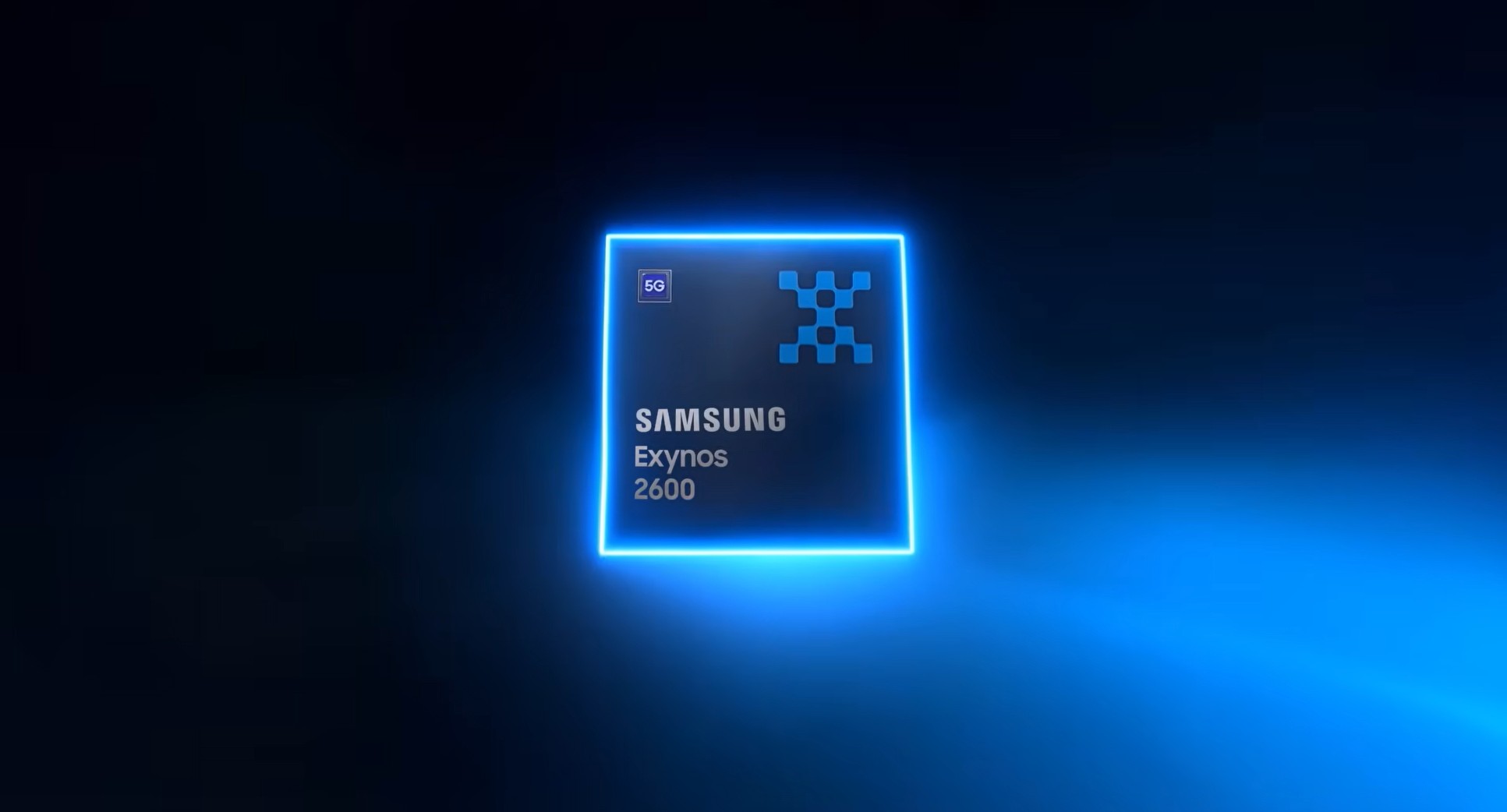
Samsung’s next big mobile chip could be headed for its most popular foldable lineup. A new report suggests Samsung is considering using the Exynos 2600 in the Galaxy Z Flip 8, a move that would signal growing confidence in the company’s 2nm GAA manufacturing process and help Samsung better control costs on its more affordable foldable phone.
Earlier reports claimed Samsung began mass production of the Exynos 2600 around September, with estimated yields near 50 percent. While that’s a meaningful start, the widely cited threshold for healthy profitability is closer to 70 percent before a foundry can comfortably ramp up and take on broader customer orders. There hasn’t been a clear update on where yields stand today, but the possibility of Samsung putting Exynos 2600 inside a major consumer product like the Galaxy Z Flip 8 could be an encouraging sign that the process is stabilizing and improving.
Why would Samsung choose Exynos for the Galaxy Z Flip 8? The answer largely comes down to cost and product positioning. The Z Flip series typically sits at a lower price point than the book-style Fold, which puts more pressure on profit margins. If a premium Snapdragon chipset is as expensive as some estimates suggest, using an in-house Exynos processor could reduce Samsung’s per-device component cost while still delivering top-tier performance levels expected from a flagship-class foldable.
According to the report, Samsung’s mobile and semiconductor divisions have been discussing the Exynos 2600 configuration for the Galaxy Z Flip 8, which is expected to arrive next summer. The Galaxy Z Fold 8 is also anticipated to launch around the same time, but it may continue using a Snapdragon flagship processor. With the Fold positioned as the ultra-premium option, Samsung may be more willing to absorb higher component costs there, while using Exynos to keep the Flip competitive on pricing without sacrificing capability.
Performance will ultimately determine whether this is a win. Even if the Exynos 2600 helps Samsung cut costs, it still needs to deliver strong real-world results, including sustained speed, efficiency, and thermal control—especially important in compact foldable designs where heat and battery size are constant challenges. That’s why benchmarks and hands-on testing of retail hardware will matter far more than early expectations.
Samsung has already shared official claims about its 2nm GAA technology. While the generational leap over 3nm GAA may not sound dramatic on paper, moving to a more advanced node still creates an opportunity for improved efficiency and performance. If Samsung can prove those benefits in commercial devices, it could also strengthen confidence in its foundry business and attract additional customers over time.
The Exynos 2600 may not be limited to foldables, either. It’s also expected to appear in the Galaxy S26 and Galaxy S26+, while the Galaxy S26 Ultra is rumored to ship exclusively with a Snapdragon flagship chipset. If that split happens, it would suggest Samsung is planning a broader rollout of its first 2nm mobile SoC—using it in high-volume models where cost control and supply flexibility are especially valuable.
For now, everything hinges on whether Samsung’s 2nm yields keep improving and whether Exynos 2600 performance meets expectations. If both line up, the Galaxy Z Flip 8 could become the device that marks Samsung’s most ambitious Exynos comeback in years.


