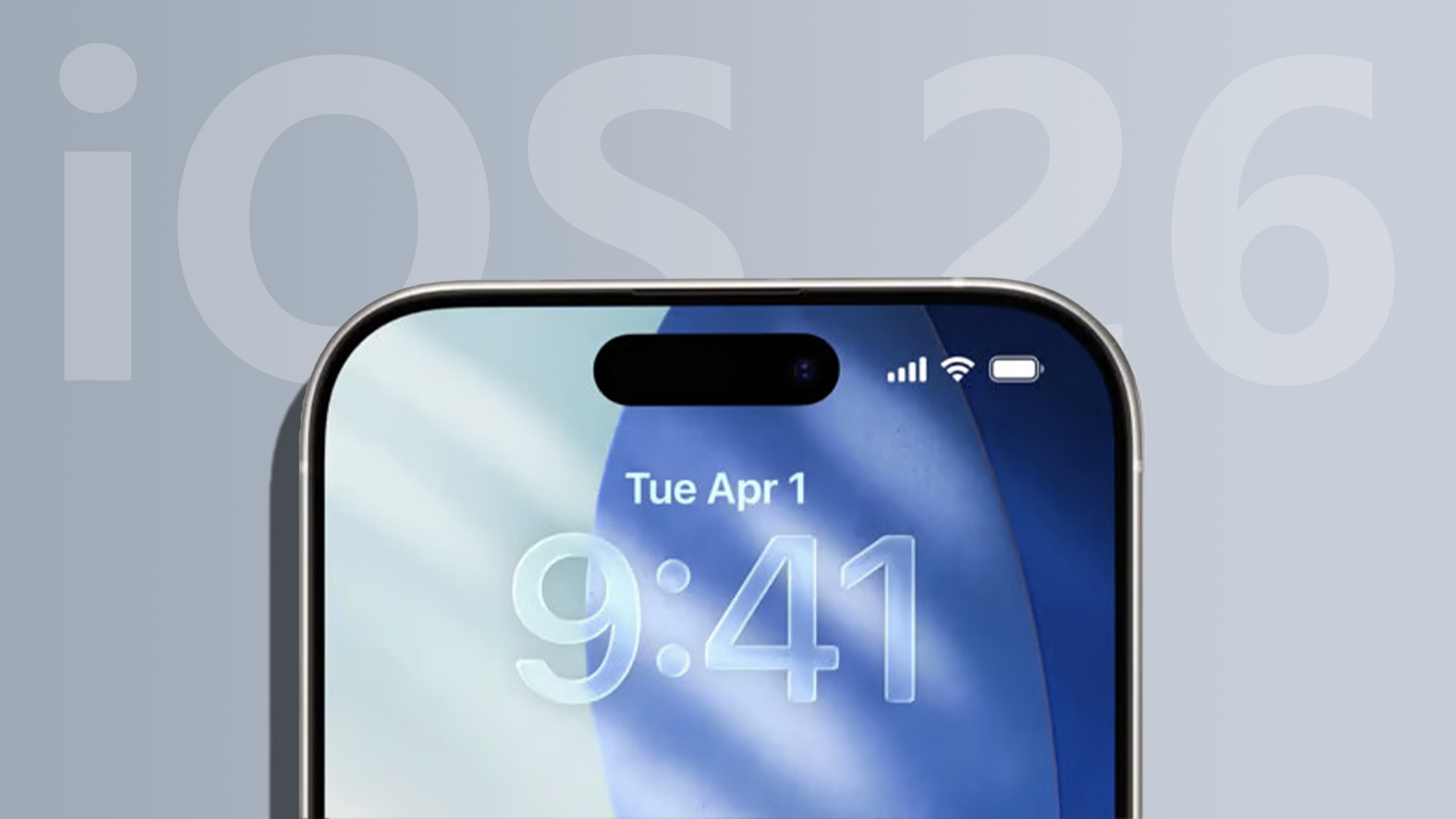
The mysterious foldable iPhone continues to intrigue tech enthusiasts as various rumors and reports hint at its potential release in the latter half of 2026. Despite the anticipated launch, it appears that Apple plans to start with a limited production run. While hardware challenges are significant, the bigger hurdle seems to lie with the software, explaining Apple’s cautious approach. A recent WWDC session added fuel to the speculation, featuring hints that reinforce the idea of ongoing development.
In this session, Apple mentioned that starting with the iOS 26 SDK, apps on newer devices will neither be letterboxed nor scaled for different screen sizes. This caught the attention of industry watchers. Traditionally, when Apple released devices with new screen dimensions, apps designed with older SDKs were automatically adjusted to fit these new specs. To achieve native compatibility, developers previously had to update their apps with the latest SDK and re-submit them.
The recent comments during WWDC suggest a shift in approach, allowing apps built with the iOS 26 SDK to adapt seamlessly to any new screen size without scaling or letterboxing. This change implies enhanced flexibility and hints at readiness for devices with variable displays, like a foldable iPhone.
There is speculation that the foldable iPhone might sport a 4:3 aspect ratio and a book-style form factor, aligning with these software updates. While Apple’s remarks might simply be procedural, they align intriguingly with earlier rumors. Until an official announcement, we’ll need to remain patient for a first look at this potentially game-changing device.