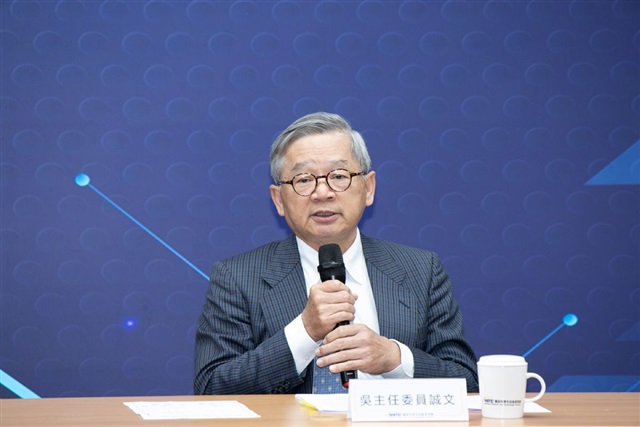
Taiwanese judicial authorities have opened a formal investigation involving Wei-Jen Lo, a longtime semiconductor executive best known for his senior leadership role at TSMC. Lo previously served as senior vice president of corporate strategy development at the chipmaking giant, retired in 2025, and later accepted an invitation to join Intel as an executive vice president.
According to the reported details tied to the investigation, the case centers on allegations that sensitive, “core” semiconductor technology may have been improperly disclosed. While the inquiry is still developing, the focus highlights just how fiercely guarded advanced chip manufacturing know-how has become—and how quickly legal scrutiny can follow when proprietary information is suspected to have changed hands.
This investigation is drawing intense attention across the semiconductor industry for a simple reason: top-tier chip technology is now a strategic asset. The methods behind process optimization, manufacturing strategy, and next-generation production planning can influence competitiveness for years, affecting everything from performance and power efficiency to supply capacity and pricing. When an executive with deep access to internal strategy transitions from one major chip player to another, concerns about trade secrets and confidential information naturally rise—especially in an environment where AI chips, advanced nodes, and foundry capabilities are central to global tech growth.
It’s also a reminder that corporate transitions at the executive level can carry significant legal and compliance challenges. Companies operating in the chip sector often rely on strict confidentiality obligations, internal controls, and post-employment restrictions designed to protect trade secrets. When authorities step in, the spotlight doesn’t just fall on the individual involved—it can also raise broader questions about how advanced technology is safeguarded, what information qualifies as proprietary, and how international competition shapes enforcement.
For now, the key takeaway is that the investigation has been officially launched, and the allegations involve the leaking of critical chip-related technology. As the legal process moves forward, the outcome could have wide implications for talent movement, corporate security practices, and the already intense rivalry among leading semiconductor companies.