Former Rockstar Director Reveals GTA’s Two-Week Bug Hunt Before Launch
As excitement builds for Grand Theft Auto VI and its scheduled global release on November 19, 2026, a former Rockstar North developer has shared a fascinating look at how earlier GTA games were polished before launch.
Obbe Vermeij, who served as technical director at Rockstar North from 1995 to 2009, recently reflected on the studio’s final quality assurance routine during the development of Grand Theft Auto III, Vice City, San Andreas, and Grand Theft Auto IV. According to Vermeij, Rockstar had a tradition known internally as “pencils down,” which happened roughly two weeks before a game went gold.
At that point, regular development work would stop. Instead of adding new features or making major changes, the team would play through the entire game from beginning to end in search of remaining bugs, glitches, mission issues, and polish problems.
For many developers, this final playthrough was also the first time they experienced the full game as players would.
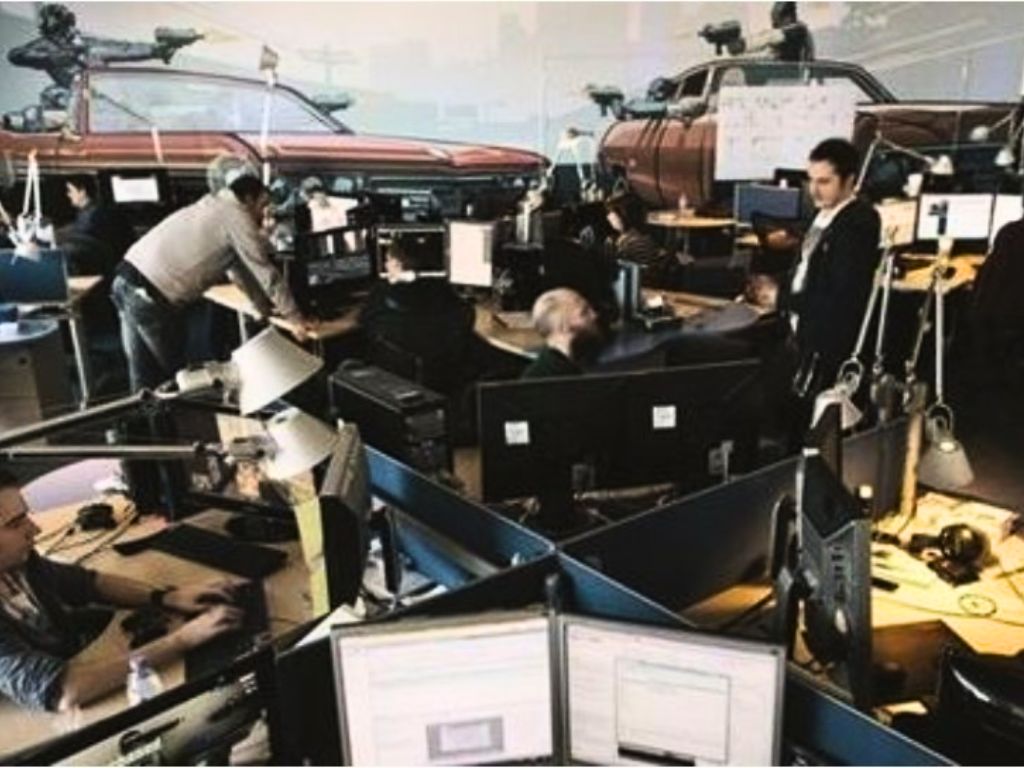
Vermeij explained that development at Rockstar North was more ordinary and department-focused than many fans might imagine. Artists, programmers, audio staff, and designers often worked separately for long stretches of the day, usually focused on their own specific tasks. Meetings were limited, and only a smaller group of people made the major decisions surrounding gameplay, missions, and story direction.
Because of that workflow, many team members did not see the complete narrative or mission order until the final testing period. A coder might have spent months fixing technical systems without ever playing certain missions. An artist may have built assets for a location without knowing exactly how it fit into the story. The two-week playthrough gave everyone a chance to experience the game as a finished product while also helping the studio catch last-minute issues.
This tradition reportedly continued through the development of GTA III, GTA: Vice City, GTA: San Andreas, and GTA IV. These titles helped define modern open-world gaming, and the idea that the wider development team personally played through the full experience before release offers a rare glimpse into Rockstar’s old production culture.
Vermeij also shared another interesting detail about the technology behind those classic GTA games. Much of the codebase was written in C++, while mission logic was handled through an internal scripting language used by level designers. This setup allowed designers to build and adjust mission behavior separately from the core engine work.
It remains unknown whether Rockstar still follows the same two-week “pencils down” process today. Vermeij left the company in 2009, long before the current development cycle for Grand Theft Auto VI. Rockstar has grown significantly since the days of GTA III and GTA IV, and the scale of GTA VI appears far larger than anything the studio produced during that earlier era.
Still, the story highlights how much care went into the final stages of Rockstar’s biggest games. Before millions of players explored Liberty City, Vice City, San Andreas, or GTA IV’s version of Liberty City, the developers themselves spent two intense weeks hunting down the last problems, playing the missions in order, and seeing the world they had built finally come together.
With GTA VI set to take players back to Vice City and introduce the state of Leonida, fans will naturally wonder how Rockstar is handling the final stretch this time. Whether or not the old tradition continues, one thing is clear: expectations for the next Grand Theft Auto are enormous, and the final months before launch will be crucial for delivering the polished open-world experience players expect.