Europe’s electric car market is charging ahead, even as one of its biggest names hits a speed bump. Over the first eight months of 2025, battery-electric vehicle sales across the continent jumped 26% compared to the same period last year. Yet Tesla, long synonymous with EV adoption, is moving in the opposite direction.
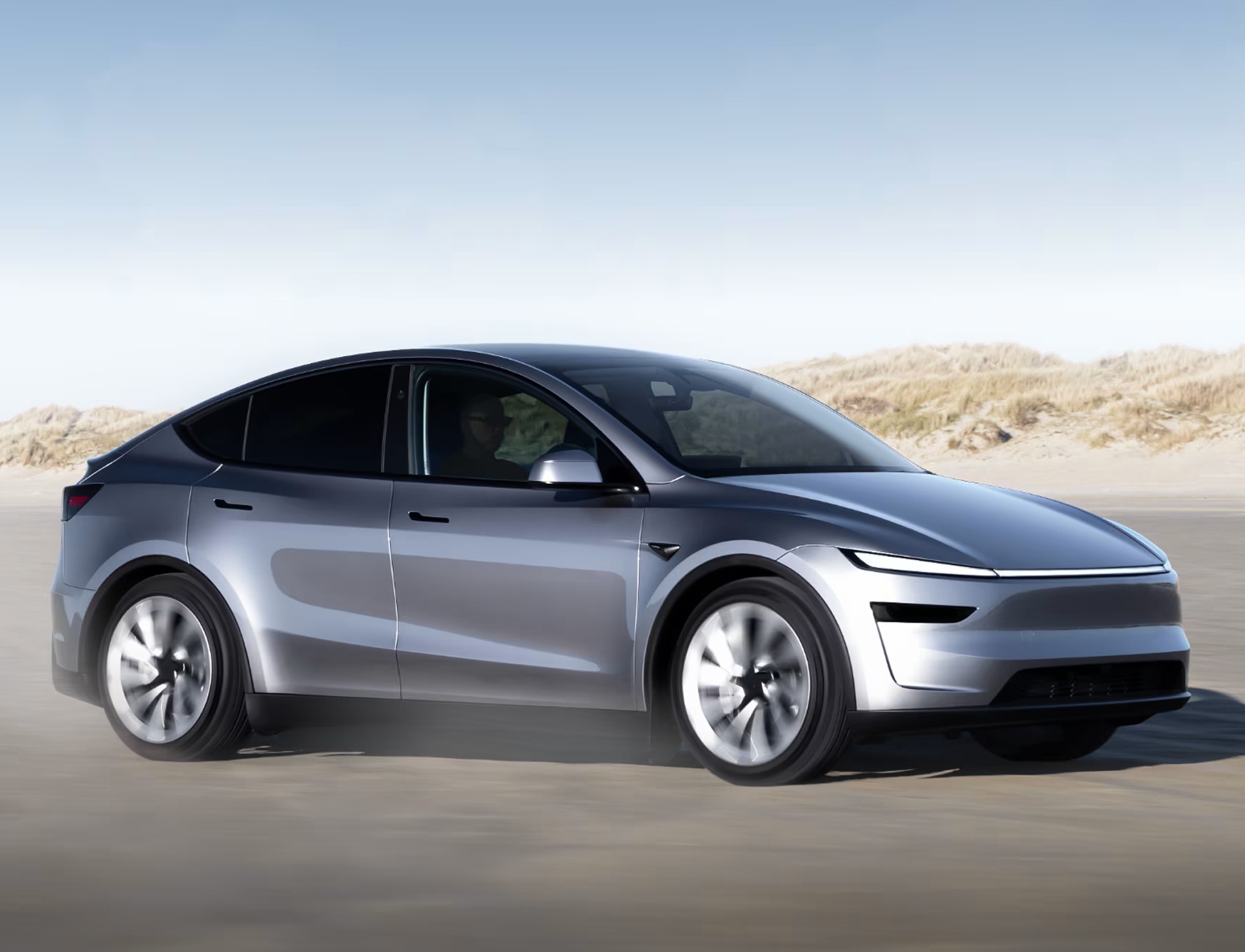
Preliminary registration data shows the Model Y remains Europe’s best-selling electric car, but volumes are slipping. From January through August 2025, 83,314 Model Y units were registered—down 34% year over year. The Model 3, still the continent’s third-best-selling EV, posted 50,237 registrations in the same period, a 29% decline.
The brand picture in August underscores the shifting momentum. Volkswagen led the month with 16,105 electric cars registered, a 45% jump from a year earlier, powered by models like the ID.3, ID.4, and ID.7. Tesla placed second with 14,245 registrations, down 23% year on year, while BMW took third with 12,546, up 7%.
Zooming out, the broader market remains robust. In August alone, Europeans registered 154,582 electric vehicles, giving EVs a 20% share of all new car sales. Analysts note that a 20–25% market share is enough to keep the EU on track for its 2025–2027 emissions targets—an important milestone the region has now reached.
Key takeaways:
– EV demand in Europe is accelerating, up 26% year to date.
– Tesla remains among the top EV makers but is losing ground: Model Y and Model 3 sales fell 34% and 29%, respectively.
– Volkswagen leads August registrations, up 45%, followed by Tesla and BMW.
– EVs captured 20% of August’s new car market, aligning with EU emissions goals for the mid-2020s.
What it means: Europe’s EV transition is no longer driven by a single brand. As established automakers expand their lineups and scale production, consumers have more choice than ever. Tesla still commands strong name recognition and top-selling models, but the growth story in 2025 belongs to rivals gaining speed—especially in the mass-market segments where variety, availability, and value are increasingly decisive.