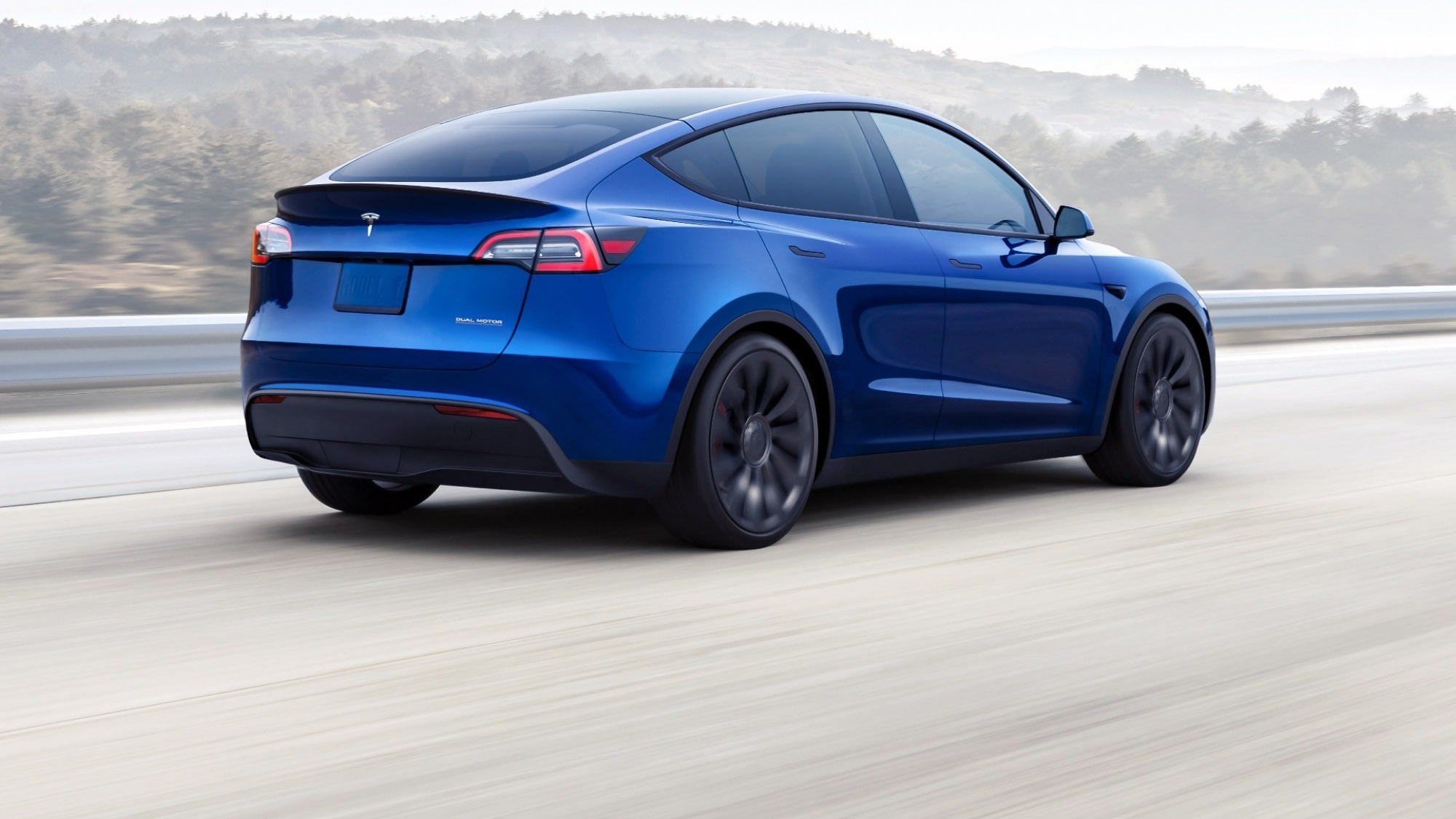
Tesla’s Model Y, recognized as the most American-made passenger vehicle, is on the brink of becoming the bestselling car in the U.S., poised to surpass the Toyota RAV4 and even the stalwart Ford F-150 pickup truck. This shift reflects a significant change in the automotive market, with Toyota seeing a decline in market share while Tesla climbs higher, driven by numerous Model Y offers and tax incentives, despite an upcoming Juniper facelift.
Last year, the Model Y achieved the status of the world’s bestselling passenger vehicle, yet Tesla’s overall electric vehicle (EV) market share in the U.S. is witnessing a notable contraction. A few years ago, Tesla dominated the U.S. EV market with an impressive 80% share. Currently, preliminary delivery reports suggest that Tesla’s market share may have sunk below 50% for the first time, with official quarterly results imminent.
This decrease in popularity among EV buyers for Tesla comes in the face of stiff competition from other manufacturers like Hyundai, Kia, and Ford, which are gaining ground. Even as the EV market grows, representing 9% of total vehicle sales in the U.S.—its highest level ever—Tesla’s dominance is waning.
For the third quarter, Tesla’s delivery estimates hover around 472,000 units, which would place its market share below the 50% threshold for the first time since the Model Y was launched. Back in 2022, when Tesla’s brand loyalty slightly dipped below the industry average, analysts from S&P forecasted a gradual decline towards a 20% market share by 2025, driven by the increasing influx of competitive EVs from other automakers.
The year 2025 was pinpointed as critical for Tesla, as many automakers are expected to have mass-market EVs ready by then. Nonetheless, a general slump in demand for electric cars might necessitate a revision of this prediction. Given the rapid fall from 80% to below 50% market share within just two years, it’s plausible that more fierce competition could drive Tesla’s share further down.
However, 2025 also holds potential for Tesla to reclaim its footing. The anticipated release of the Juniper refresh for the Model Y, the introduction of a more affordable Cybertruck, and the debut of its first Robotaxi service could help stabilize Tesla’s market share. These developments might help Tesla counter the growing competition from Hyundai, Ford, and even GM, which has just launched the most affordable 300-mile range electric vehicle in the U.S.
As the EV landscape evolves, only time will tell if Tesla can navigate these challenges and retain a significant portion of the market.