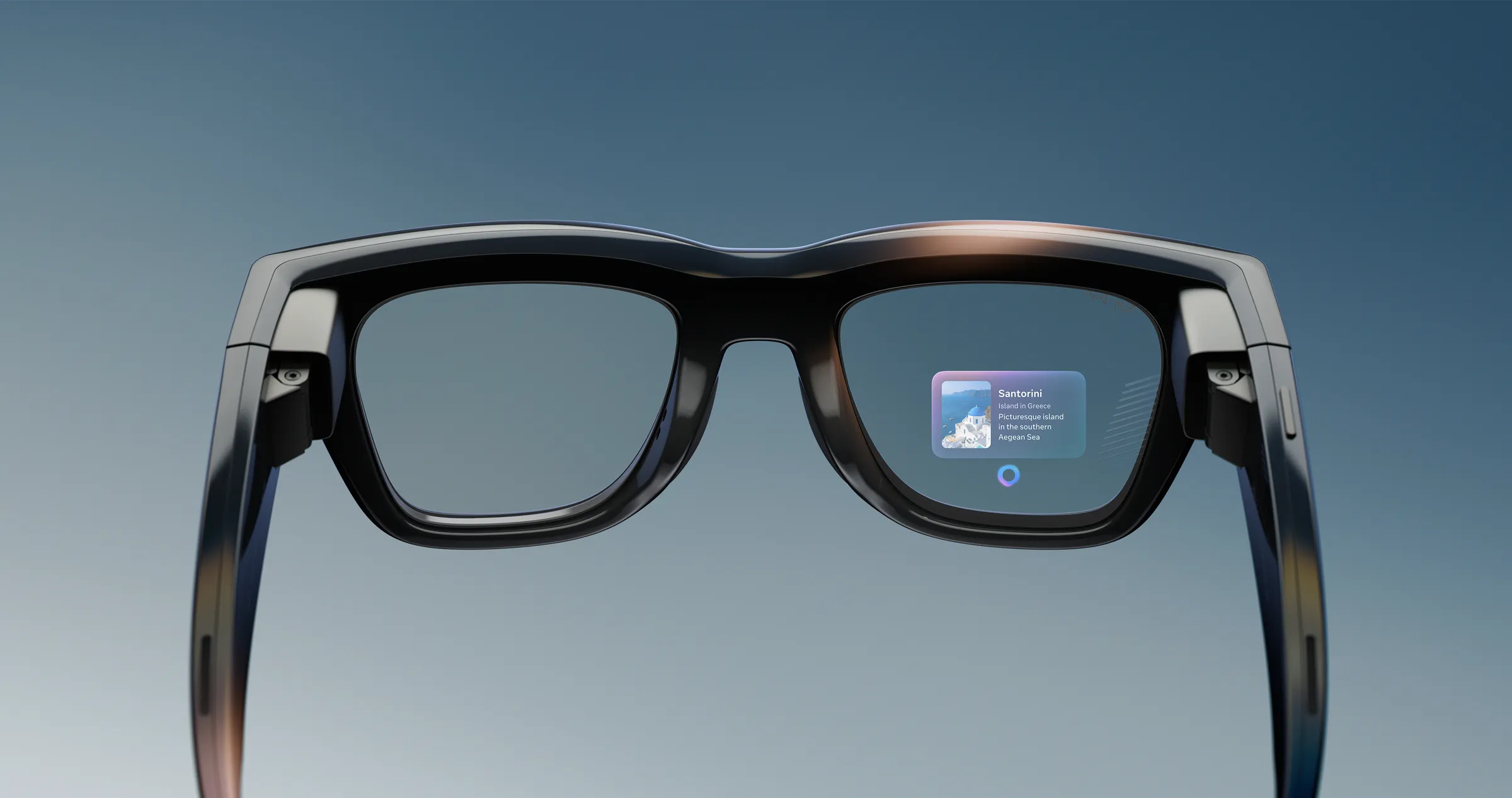
Smart glasses could be the next big thing in personal tech—big enough to challenge the smartphone’s dominance. That’s the vision from Francesco Milleri, Chairman and CEO of EssilorLuxottica, the eyewear giant behind many of the world’s most recognizable frames and a key partner in Meta’s expanding smart glasses strategy. He believes connected eyewear is poised to become the central device in people’s lives, potentially replacing smartphones as hundreds of millions of pairs link users into shared communities.
To back up those ambitions, EssilorLuxottica is ramping up manufacturing. The company plans to scale smart glasses production to 10 million units per year by the end of 2026 to meet demand from Meta and to support additional models, including its own Nuance Audio glasses that blend vision and hearing assistance in a single device.
There’s financial momentum behind the push as well. One major bank projects the Meta collaboration could generate up to €6 billion in revenue for EssilorLuxottica by 2030. Broader market forecasts see total annual smart glasses shipments reaching around 60 million units by 2035.
That said, today’s demand reality paints a more cautious picture. Even at 60 million units a year, the category would remain far smaller than smartphones for quite some time—Apple alone shipped roughly 232 million iPhones in 2024. A full-scale replacement of the smartphone isn’t imminent; it’s a long-term transition that depends on compelling use cases, comfort, battery life, and price.
Momentum in the category is accelerating. Industry chatter suggests Meta currently has the lead in AI-powered eyewear, enough that Apple has reportedly shifted resources from a higher-end version of its Vision Pro to focus more directly on smart glasses development.
Meta recently unveiled its Ray-Ban Display smart glasses, and the specs highlight how fast the tech is evolving:
– Built-in display sized for reading text, watching short videos, following turn-by-turn directions, and viewing live translations.
– 42 pixels per degree, a resolution denser than any of Meta’s other consumer VR headsets.
– Custom light engine and waveguide delivering up to 5,000 nits of brightness for clear visibility indoors and outdoors.
– Meta Neural Band control system that uses electromyography (EMG) to detect signals traveling between the brain and hand, enabling subtle hand-gesture navigation.
– Price set at $799.
The takeaway: smart glasses are moving from novelty to utility. Leaders like EssilorLuxottica are scaling production, major tech players are prioritizing AI-enabled eyewear, and new models are hitting the market with real-world features—navigation, translation, media viewing, and hands-free control. Still, the gap between vision and mass adoption remains wide. For now, expect smart glasses to complement smartphones rather than replace them, with a gradual shift as comfort, software ecosystems, and battery performance continue to improve.