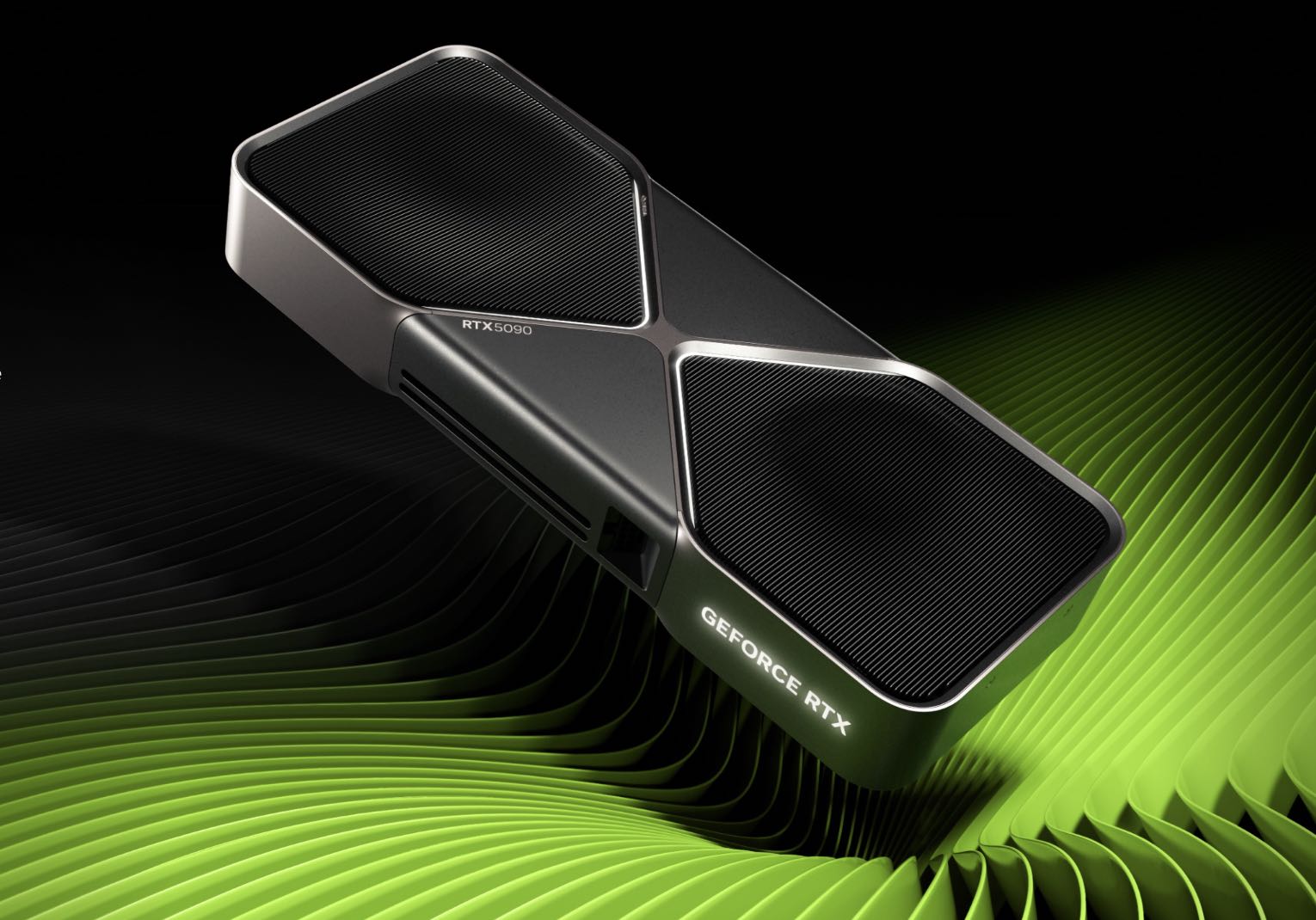
The Nvidia GeForce RTX 5090D graphics card is creating quite a buzz as enthusiasts delve into its capabilities. However, one point of interest is that the card might not feature configurable power limits, though there is still a sliver of hope for such flexibility in the future. During testing, the card was overclocked to an impressive 2600 MHz. However, to achieve this, the memory was downclocked, leading to a memory bandwidth of 896 GB/s. This adjustment negates some of the advantages offered by GDDR7 technology.
For comparison, the RTX 4090 was pushed further to 2610 MHz, achieving a slightly higher memory bandwidth of 912 GB/s. This performance experiment was conducted on a system powered by a Ryzen 7 9800X3D CPU, complemented by memory clocked at a speed of 6000 MHz. Unfortunately, the specific frames per second (FPS) results from the gaming tests were obscured, leaving a sense of mystery around the exact performance gains one might expect. Despite this, the information still provides an intriguing glimpse into the capabilities and limitations of the Nvidia RTX 5090D.


