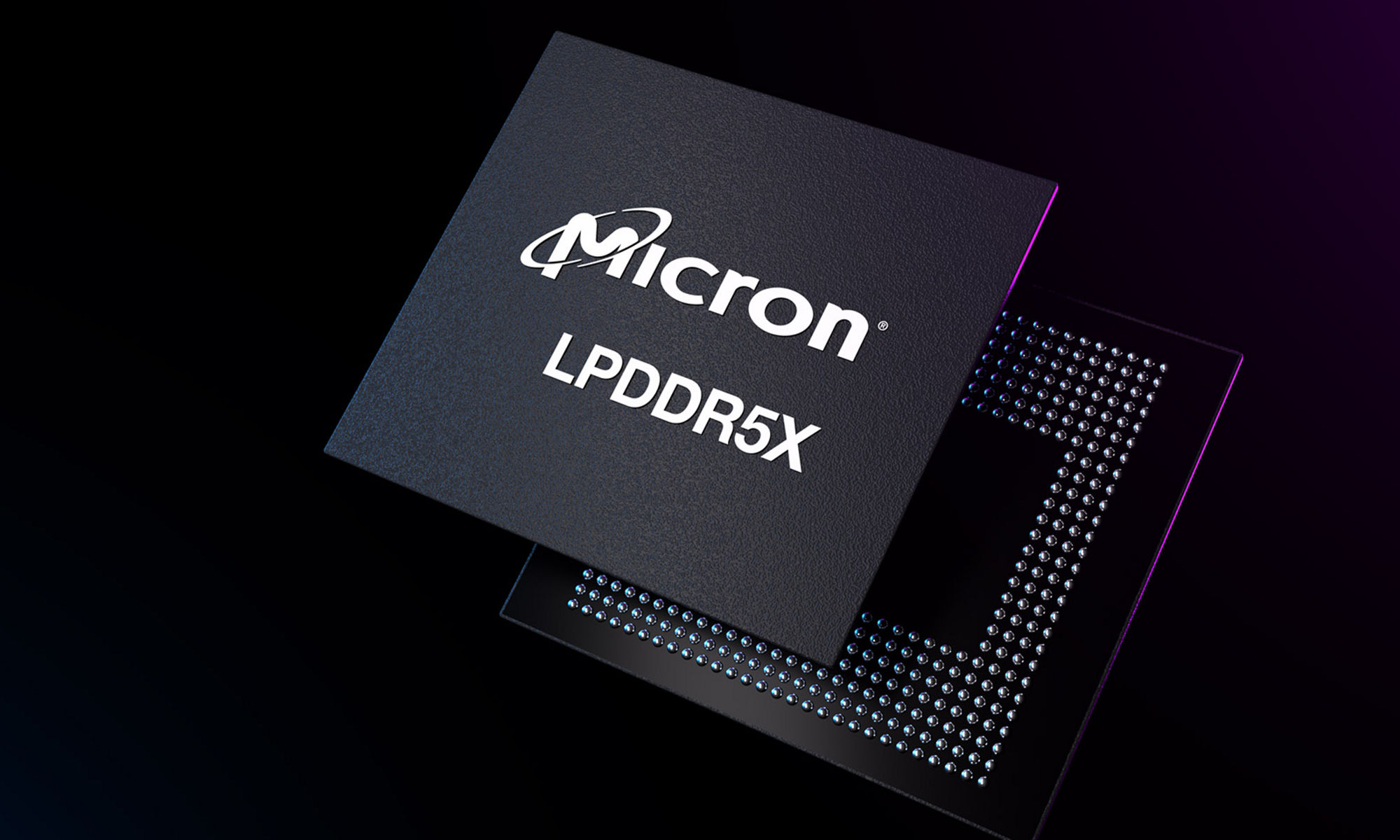
Micron Technology has taken a significant leap forward in memory technology with its pioneering 1-beta process node, tailored to enhance power efficiency in smartphones and other devices. Utilizing groundbreaking techniques such as enhanced dynamic voltage and frequency scaling core (eDVFSC) and second-generation high-k metal gate (HKMG) technology, this advanced node leads to remarkable power savings.
The 1-beta process node is engineered to supply more than a 4% reduction in power consumption while retaining impressive data transfer rates of up to 9.6 Gbps. With the growth of AI technologies and the push for more capable edge computing, these benefits are not just welcome; they’re essential.
Several key attributes of this technology include:
– State-of-the-art pattern multiplication lithography that ensures precise and efficient manufacturing.
– Continuation and enhancement of LPDDR5 performance, cementing Micron’s leadership in this space.
– A blend of improved power management and robust performance, critical for next-generation devices.
– Availability of samples that exhibit the cutting-edge 9.6Gbps speeds with improved power efficiency.
Significantly, battery life has been identified as a primary concern for smartphone users. Based on recent consumer insights, a staggering 71% of users prioritize battery performance when deciding on a new smartphone purchase. This concern for battery life is ahead of other considerations such as device durability, camera quality, and 5G connectivity.
By pushing the boundaries of power efficiency in DRAM technology, Micron is addressing the most critical pain point head-on. Smartphone manufacturers now have an opportunity to incorporate this technology into their devices, potentially offering consumers the long-lasting battery life they crave without compromising on processing speed or performance.
Moreover, the advancements in memory technology provide an avenue for innovation across device ecosystems, particularly as the world grows more connected and demands more from its mobile technology. With these continuous improvements, users can expect their devices to manage complex tasks more effectively while consuming less power, ultimately enriching their day-to-day mobile experiences.
In conclusion, Micron’s LPDDR5x DRAM with its 1-beta process node stands at the forefront of memory technology, promising a new horizon of power efficiency and high-speed performance. As this technology becomes more widespread, we can anticipate not only advancements in smartphone battery life but also a wave of new applications where efficiency is paramount. The future looks promising, with Micron’s innovation paving the way for smarter, longer-lasting devices.