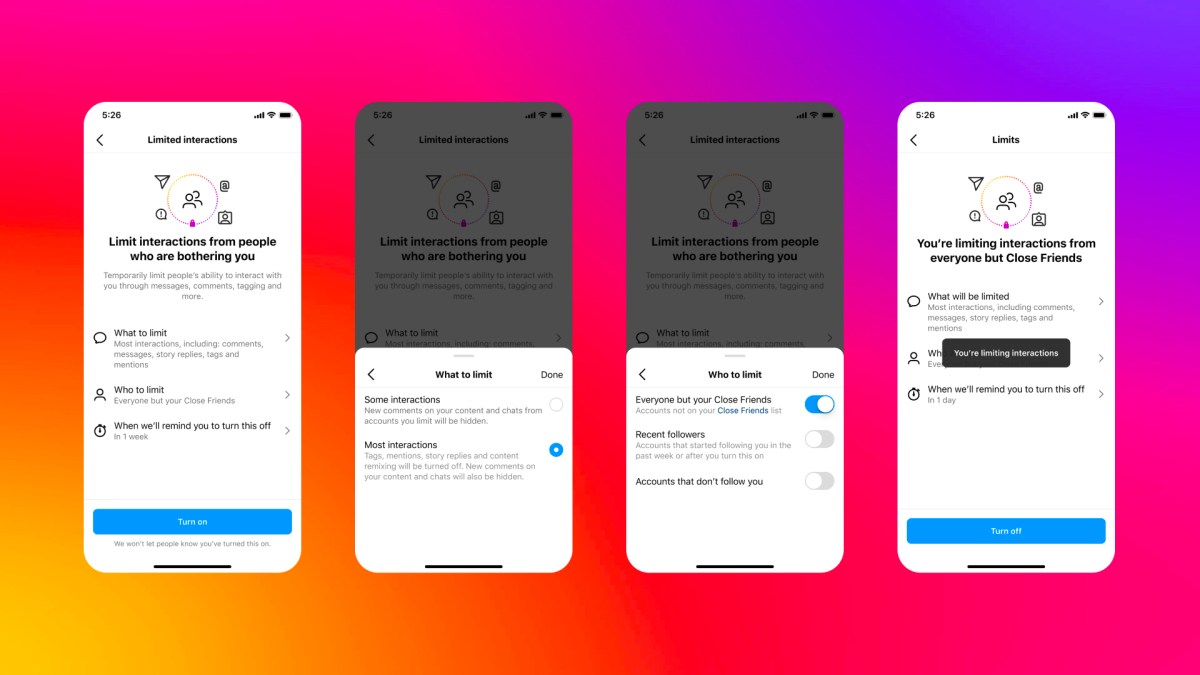
Instagram is proactively stepping up its efforts to safeguard teenagers from harassment and bullying on the platform. As part of these efforts, the social media giant has announced an enhancement to its “Limits” feature that now allows teens to limit their interactions exclusively to their “Close Friends” group. This significant update comes as a means to provide young users with better control over who can engage with their content, thereby promoting a safer and more private experience.
The “Limits” function was initially introduced in 2021 as a response to the online abuse faced by English footballers during the Euro 2020 finals. With this tool, all users can curtail interactions to include only those from their followers and people they have followed for a prolonged period. As the feature evolves, specifically for teenagers, it channels interactions so only the responses from the “Close Friends” list are visible, while other activities such as comments, messages, story replies, tags, and mentions are effectively muted unless they come from this trusted group.
Teens can also choose to decrease interactions with recent followers or accounts they do not follow. This adaptive measure is one of several Instagram is taking to ensure that young people can navigate their social space more comfortably and securely.
Moreover, Instagram is enhancing its “Restrict” feature to offer more precise control over user interactions. When an account is restricted, comments are hidden and the ability to tag or mention is removed, effectively limiting the visibility and reach of potential harassers.
Earlier this year, Meta implemented tighter messaging restrictions to prevent adults over 18 from messaging teens who do not follow them. Additionally, in April, Instagram released a feature that blurs nudity in direct messages (DMs) directed at teenage users. These updates reflect Meta’s increased commitment to fostering a safe online environment for younger users.
These preventative measures arrive amidst heightened scrutiny over child safety online, particularly addressing concerns that social media platforms like Instagram might adversely impact the mental health of minors. Last year, a lawsuit involving over 40 US states accused Meta of designing products that could harm children’s wellbeing. Furthermore, the European Union recently launched an investigation focusing on the potentially addictive designs of Facebook and Instagram and their impact on the mental health of younger users.
Instagram’s recent updates to the “Limits” and “Restrict” features illustrate the platform’s ongoing efforts to combat online bullying and harassment. By giving teens the tools to manage their social interactions with greater precision, Instagram aims to provide a more secure environment that empowers young people to connect with close friends while shielding them from unwanted and potentially harmful attention.