Recent updates to the Radeon RADV bring exciting enhancements to the Ray Tracing capabilities of the Radeon RX 7000 and RX 9000 series GPUs.
Linux open-source developers are continuously enhancing performance for the latest GPUs. The latest patches in the Mesa 3D Graphics Library, focused on the RADV (Radeon Vulkan Driver), promise significant improvements for RDNA 3 and RDNA 4 GPUs. These updates have been successfully integrated into Mesa’s Git repository.
A contractor from Valve, Natalie Vock, introduced new optimizations just before the Mesa 25.2 Code Freeze. These tailored patches specifically target the GFX11 and GFX12 IDs, corresponding to the Radeon RX 7000 and RX 9000 series, respectively. This update is expected to elevate Ray Tracing performance in various games.
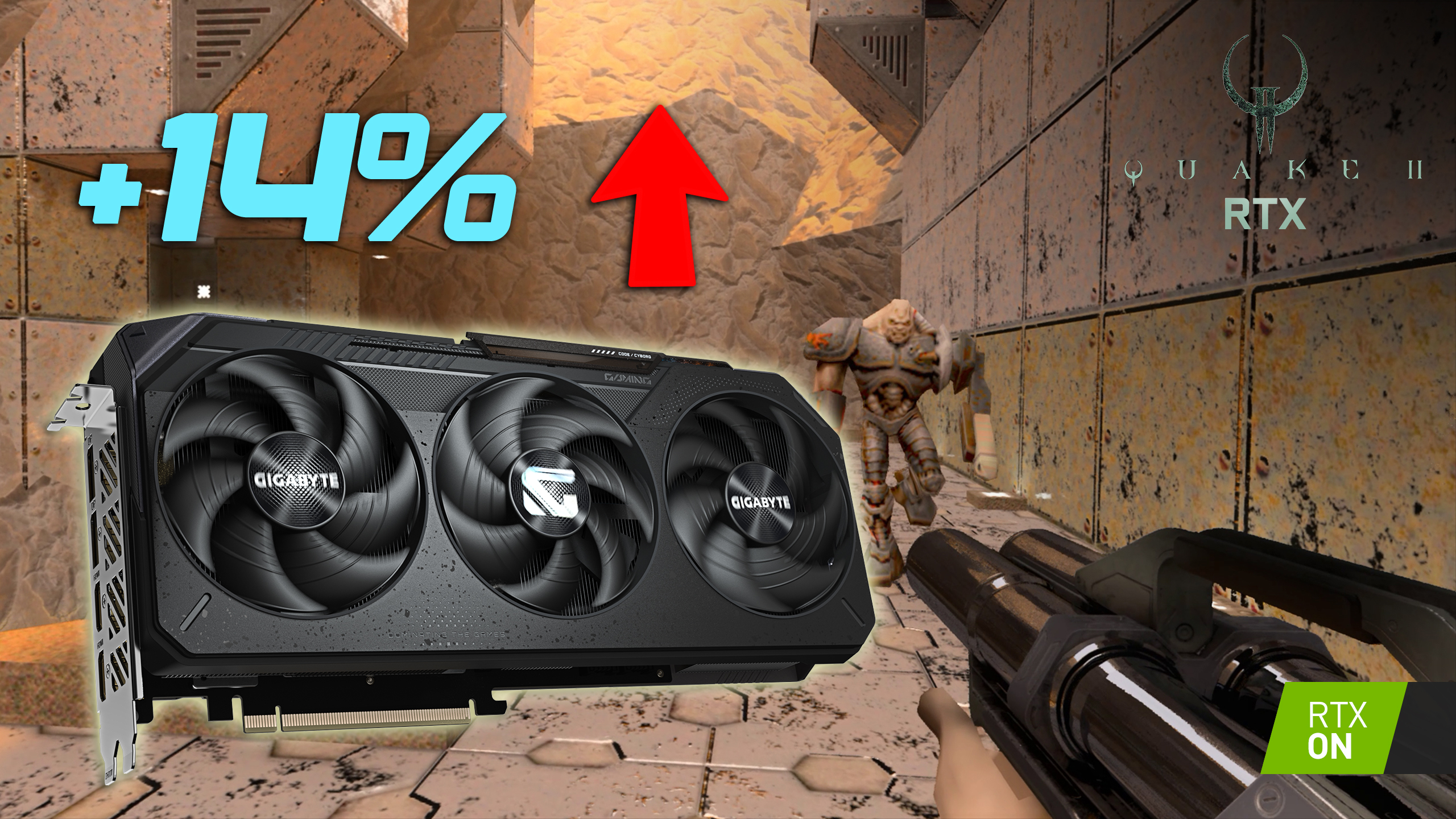
Internal tests reveal that the Radeon RX 9000 series can achieve up to a 14% performance boost in titles like Quake II RTX, suggesting similar uplift across other games. Such improvements are crucial in narrowing the performance gap between NVIDIA and AMD GPUs on Linux systems.
The update includes sophisticated GPU instructions, like ds_bvh_stack_rtn for RDNA 3 and ds_bvh_stack_push8_pop1_rtn for RDNA 4. These handle ray tracing more efficiently, optimizing BVH traversal on the GPU. As a result, users can expect reduced memory operations and enhanced efficiency overall.
Previous demonstrations have highlighted performance gains with the Radeon RX 9070 using Mesa 25.2. With these new patches, further improvements for RDNA 3 and RDNA 4 GPUs are anticipated, promising an enhanced gaming experience.


