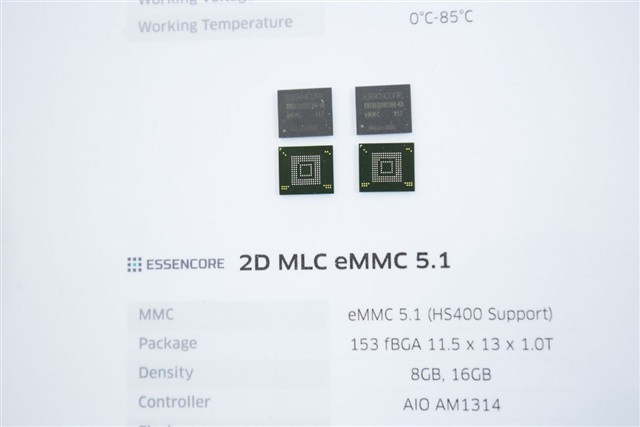
A tightening supply of low-capacity eMMC is rapidly reshaping the NAND flash market, pushing prices higher and setting the stage for even more increases in the months ahead. As demand collides with shrinking production capacity, manufacturers and buyers across the electronics supply chain are bracing for continued volatility—especially in the segments most tied to older, lower-density memory.
The biggest driver behind today’s surge is disruption in low-capacity eMMC availability. These parts are widely used in cost-sensitive devices and embedded products, but they often rely on older manufacturing technologies. Now, as leading memory makers shift their focus to newer, more profitable processes, they’re moving away from legacy production nodes. That transition is leaving a gap in supply precisely where many manufacturers still depend on steady volumes.
As a result, SLC and MLC NAND—two categories closely connected to these lower-capacity storage needs—are seeing sharp price pressure. MLC NAND contract prices reportedly doubled during the first quarter of 2026, and market expectations suggest they could potentially double again if current conditions persist. For buyers, that’s not just a temporary spike; it signals a structural change rooted in long-term production strategy rather than a short-lived logistics issue.
The exit from older nodes also matters because it can’t be reversed quickly. Even if demand remains strong, rebuilding capacity for mature processes takes time, investment, and willingness from manufacturers—something the market may not offer if newer technologies deliver better margins. That’s why analysts and procurement teams are watching contract pricing closely, with many anticipating further gains as inventories tighten and replacement options remain limited.
For device makers, the implications are clear: sourcing low-capacity storage could become more expensive and more unpredictable through 2026. Companies that rely on SLC or MLC NAND for embedded systems, industrial products, budget electronics, or legacy designs may need to reassess component choices, qualify alternate parts, or lock in supply earlier to reduce exposure to additional increases.
With supply disruptions happening alongside a broader industry shift away from older production nodes, the NAND price rally may have more room to run. If the current trajectory continues, buyers should prepare for tougher negotiations, higher contract renewals, and the likelihood that “entry-level” storage will no longer be as cheap—or as easy to secure—as it once was.