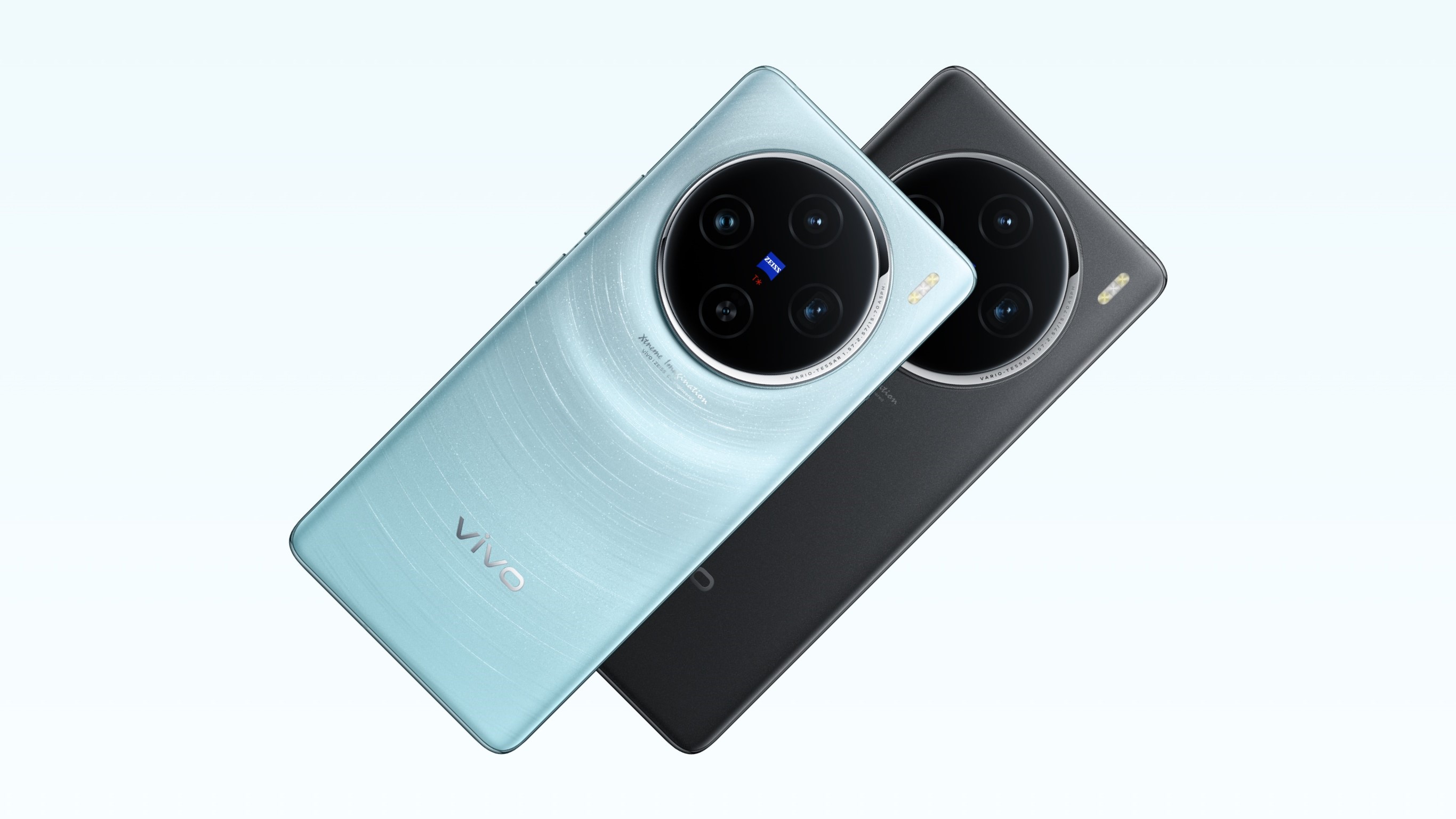
The race for high-performance smartphone processors is heating up, with the latest development suggesting that Vivo is set to debut the world’s first smartphone powered by the MediaTek Dimensity 9400 chipset. As competition in the mobile processing space intensifies, this new Vivo handset is expected to give other industry giants a run for their money.
The rumored flagship, known as the Vivo X200, is not only making headlines for its state-of-the-art processor but is also anticipated to feature a Zeiss-branded periscope zoom lens and a premium-grade display. Leaks indicate that the upcoming Vivo X200 is slated for a late 2024 release, positioning it ahead of its competitor, the OPPO Find X7, which currently sits atop the AnTuTu benchmark thanks to its Dimensity 9300 chipset.
Details surrounding the Vivo X200 are captivating tech enthusiasts, with expectations of a ~1.5K resolution display and advanced periscope zoom capabilities. These features are likely to cater to both creative professionals and everyday users looking for an edge in mobile photography. Furthermore, while OPPO’s successor model, potentially the Find X8, is rumored to boast a larger battery, the Vivo X200’s early launch could give it a significant advantage in the marketplace.
However, with the spotlight on the Vivo X200’s impending arrival, there appears to be a downside. Reports indicate that successors to the existing Vivo X100 and X100s Pro might be discontinued by the manufacturer. For those looking to secure what might be the final iteration of the previous flagship, opportunities to purchase the X100 are limited, with promotional offers available through selected retailers.
As the smartphone industry marches on with technological advancements, this new leap from Vivo with the Dimensity 9400 chipset is not just a testament to the brand’s commitment to innovation but also an example of the rapid evolution of mobile technology. Audiences and consumers alike are watching closely, eager to see how these advancements will shape the future of mobile processing performance and smartphone capabilities.


