From early 2025 through 2026, the global auto industry has hit a rare reset button. Across Europe, the United States, Japan, and South Korea, nine major automakers have changed CEOs in a short span—far more than the usual, orderly cycle of executive succession. This wave of corner-office shakeups signals something bigger: carmakers are confronting a pivotal moment, and boards are increasingly convinced that new leadership is necessary to navigate what comes next.
This isn’t just about personality clashes or routine retirements. The scale and timing point to intense pressure building across the sector. Automakers are being forced to make high-stakes decisions faster than ever, often while balancing competing priorities: protecting profits today, funding massive transformation programs, and defending market share against a growing list of rivals.
A major driver behind these CEO changes is the industry’s uneven transition toward electrification. Electric vehicles require different investment strategies, supply chains, software capabilities, and manufacturing approaches than traditional gasoline and diesel models. Some companies moved aggressively, betting big on EVs and retooling factories at speed. Others took a more cautious route, trying to stretch the life of combustion-engine profits while ramping up electrification gradually. Either way, the transition is expensive, complex, and full of operational risks—and when results fall short, boards tend to look for a new person at the top.
At the same time, the competitive landscape has shifted. Automakers are no longer only fighting long-standing rivals. They’re also facing pressure from newer players with different cost structures, faster product cycles, and strong technology-driven brand appeal. That intensifies scrutiny on strategy, execution, and the ability to move quickly. In this environment, CEOs are being judged not just on long-term vision, but on speed—how fast they can streamline operations, fix underperforming regions, and bring compelling new models to market.
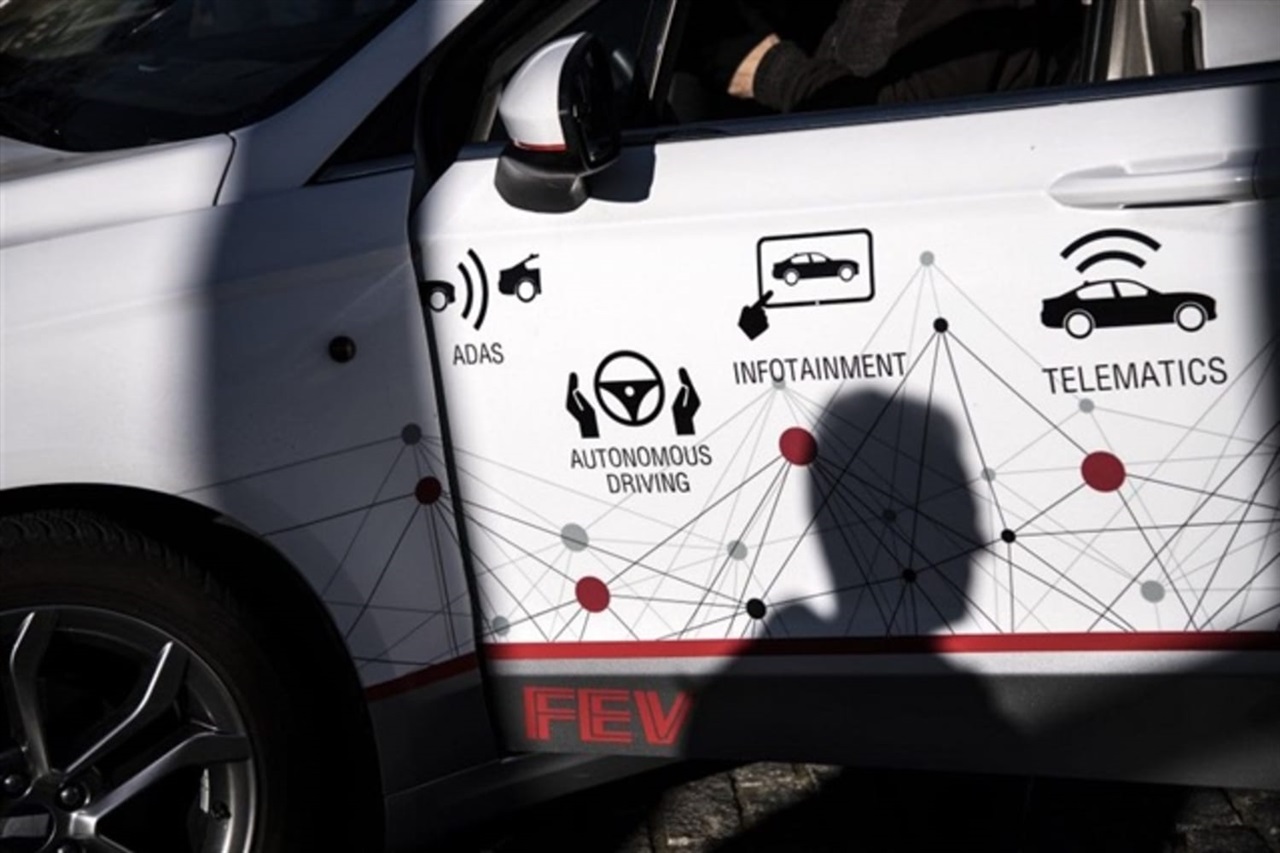
Another underlying factor is the growing importance of software and connected-car technology. Modern vehicles increasingly depend on advanced driver-assistance systems, digital dashboards, over-the-air updates, and integrated services. This shift changes what “winning” looks like in the auto business. It’s not only about engines, design, and production scale anymore—it’s also about user experience, reliability of software platforms, cybersecurity, and subscription-like revenue opportunities. Many boards now want leaders who can blend manufacturing excellence with tech-first thinking, or at least build organizations that can do both.
Cost pressures are also prompting leadership resets. Building EVs, securing battery supply, and meeting stricter emissions and safety rules can strain margins. Meanwhile, consumers remain price sensitive, and incentives or pricing battles can quickly erode profitability. For legacy automakers, reorganizing to stay competitive often means difficult decisions: simplifying model lineups, reducing complexity, renegotiating supplier arrangements, and rethinking where to invest—and where to pull back. These moves can be disruptive, and leadership changes often come when companies need cover to make tough calls quickly.
Geopolitics and supply chain realities are another piece of the puzzle. Automakers operate globally, and recent years have shown how quickly trade tensions, regional regulations, and sourcing constraints can reshape plans. Battery materials, semiconductors, and manufacturing footprints are now strategic concerns at the highest level. A CEO’s job increasingly includes managing political risk, ensuring supply resilience, and shaping long-term investment decisions across multiple continents.
In many cases, boards are seeking CEOs who can do three things at once: stabilize core operations, accelerate transformation, and communicate a clear direction to investors, employees, and customers. That’s a tall order. But it also explains why leadership turnover is rising—because the margin for error has narrowed.
For drivers and shoppers, this leadership overhaul could shape what vehicles look like over the next few years: how quickly new EVs arrive, whether software features improve, how brands price and position their models, and even how dealerships and customer service evolve. For the industry, it’s a sign that the traditional playbook is being rewritten, and the people chosen to run these companies will help decide who adapts—and who falls behind.
If you can share the rest of the post content (the full text after “grappling with…”), I can rewrite the complete article more accurately and add stronger search-focused phrasing while keeping the original message intact.