OnePlus reportedly preparing to exit the U.S. and European smartphone markets
OnePlus could be nearing one of the biggest turning points in its history, with a new report claiming the company is preparing to end smartphone operations in both the United States and Europe. An official announcement is expected soon, according to sources cited by WinFuture.
If confirmed, the move would mark a major retreat for a brand that once built its reputation on challenging the biggest names in the smartphone industry. OnePlus entered the market in 2014 with a bold promise: flagship-level hardware at a price that undercut premium competitors. The original OnePlus One quickly became a favorite among Android enthusiasts, earning the company attention as a disruptive “flagship killer.”
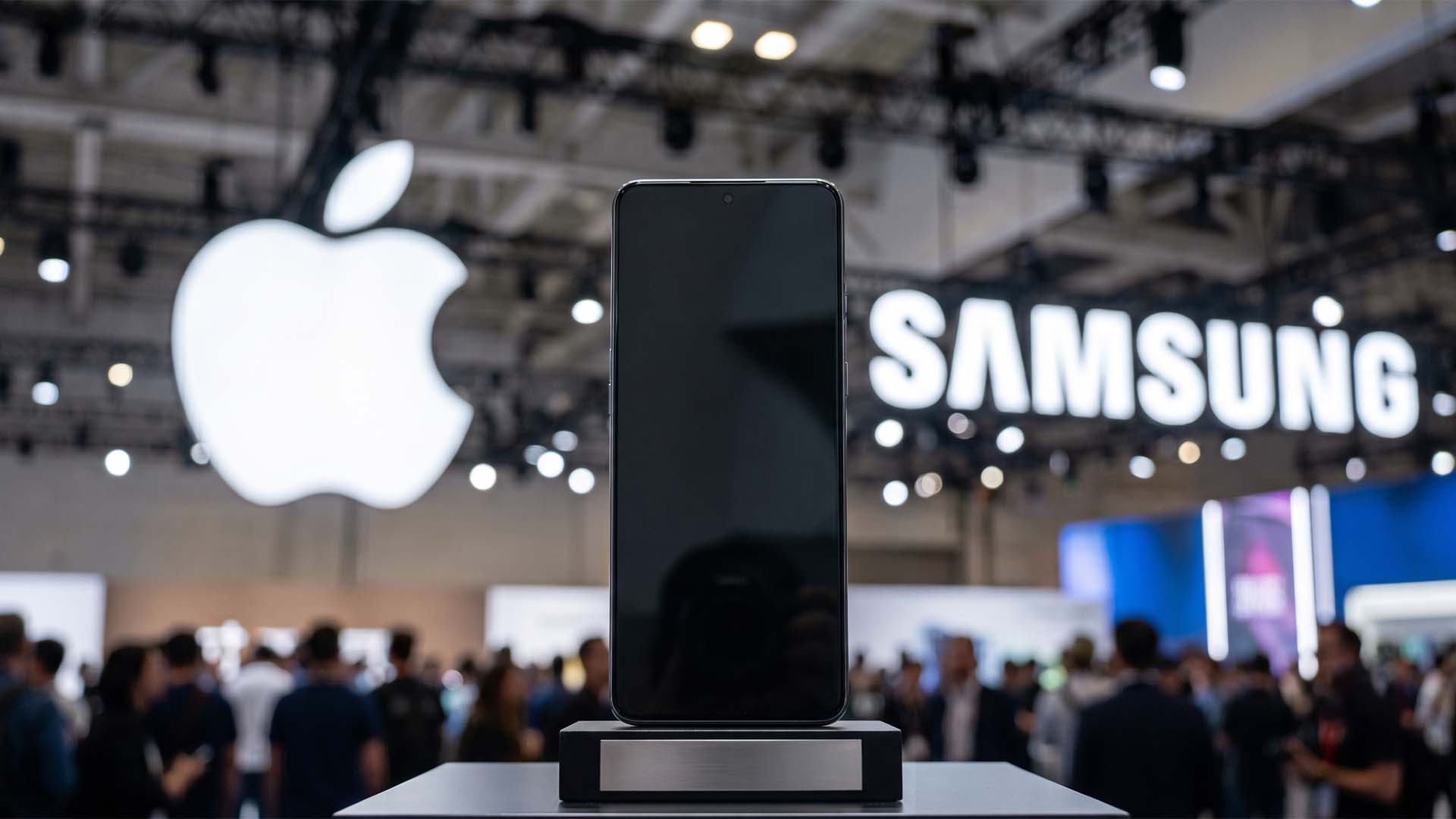
Over time, however, the company’s strategy changed. Instead of focusing mainly on aggressive pricing and enthusiast-driven features, OnePlus gradually moved toward the premium smartphone segment. That placed it in direct competition with Apple and Samsung, two brands that dominate the U.S. market and command strong loyalty among consumers.
In the United States, Apple holds a powerful lead, while Samsung maintains a significant Android presence. Other smartphone makers have struggled to gain meaningful market share, and OnePlus appears to have faced the same challenge. Even with well-reviewed devices and loyal fans, breaking through in such a competitive market has proven extremely difficult.
The situation may have become even harder due to rising memory and storage prices. The broader AI boom has increased demand for DRAM and other components, pushing costs higher across the tech industry. Smartphone manufacturers rely heavily on memory and storage, so higher component prices can quickly affect profit margins, especially for companies already operating with limited market share.
For OnePlus, the timing appears to have been especially difficult. Competing against Apple and Samsung was already an uphill battle in the U.S. and Europe. With component costs climbing, maintaining competitive pricing while still offering high-end specifications may no longer be sustainable.
There were already signs that OnePlus was shifting its strategy. In some countries, customers were reportedly being directed toward OPPO products instead of OnePlus devices. Since OnePlus and OPPO are closely connected under the same broader corporate umbrella, this raised questions about whether OnePlus would continue to operate independently in certain markets.
The brand’s identity has also become a point of discussion among longtime fans. What began as a distinct enthusiast-focused smartphone maker has increasingly overlapped with OPPO’s product strategy. Some recent OnePlus models have been criticized for feeling less unique, with design and hardware choices that appear closely aligned with OPPO devices.
That shift may have weakened the brand’s appeal among the users who originally helped build its reputation. OnePlus was once known for offering powerful hardware, clean software, and strong value. As prices rose and the company pursued a more premium image, it became harder to stand apart from larger competitors with deeper marketing budgets and wider retail presence.
According to the latest report, OnePlus and OPPO are expected to continue providing software updates for existing devices until they reach the end of their support cycles. That means current OnePlus owners in the U.S. and Europe should still receive promised updates and security patches, at least for supported models.
However, future OnePlus smartphones may no longer launch in those regions if the reported exit goes ahead. Existing inventory is expected to be sold off, and the company has not yet publicly clarified its long-term plans for other major markets such as India and China.
India remains one of OnePlus’ strongest markets, where the brand has built a large customer base over the years. China is also a key region due to the company’s close relationship with OPPO. For now, the reported withdrawal appears focused on the U.S. and Europe, but the brand’s global direction remains uncertain.
If OnePlus does leave these markets, it would highlight just how difficult the smartphone business has become for smaller players. Premium phones are more expensive to produce, consumers are holding onto devices for longer, and the market is increasingly concentrated around a few dominant brands.
The possible exit also raises broader questions about competition in the Android smartphone space. Fewer choices in the U.S. and Europe could make it harder for consumers to find alternatives to Samsung and Google on the Android side, while Apple continues to dominate the premium segment.
OnePlus’ journey has been impressive, even if this chapter ends with a retreat from major Western markets. The company helped reshape expectations for value-focused flagship smartphones and forced larger brands to pay attention to performance, pricing, and online-first sales strategies.
For longtime fans, the news will be disappointing. OnePlus was once seen as one of the few brands willing to challenge the smartphone establishment with bold pricing and high-end specs. But with rising costs, fierce competition, and a changing brand identity, the company may now be preparing to step away from two of the world’s most competitive smartphone markets.
An official confirmation is still expected, and until then, the situation remains based on reporting from industry sources. But if the report proves accurate, the OnePlus era in the U.S. and Europe may be coming to an end.