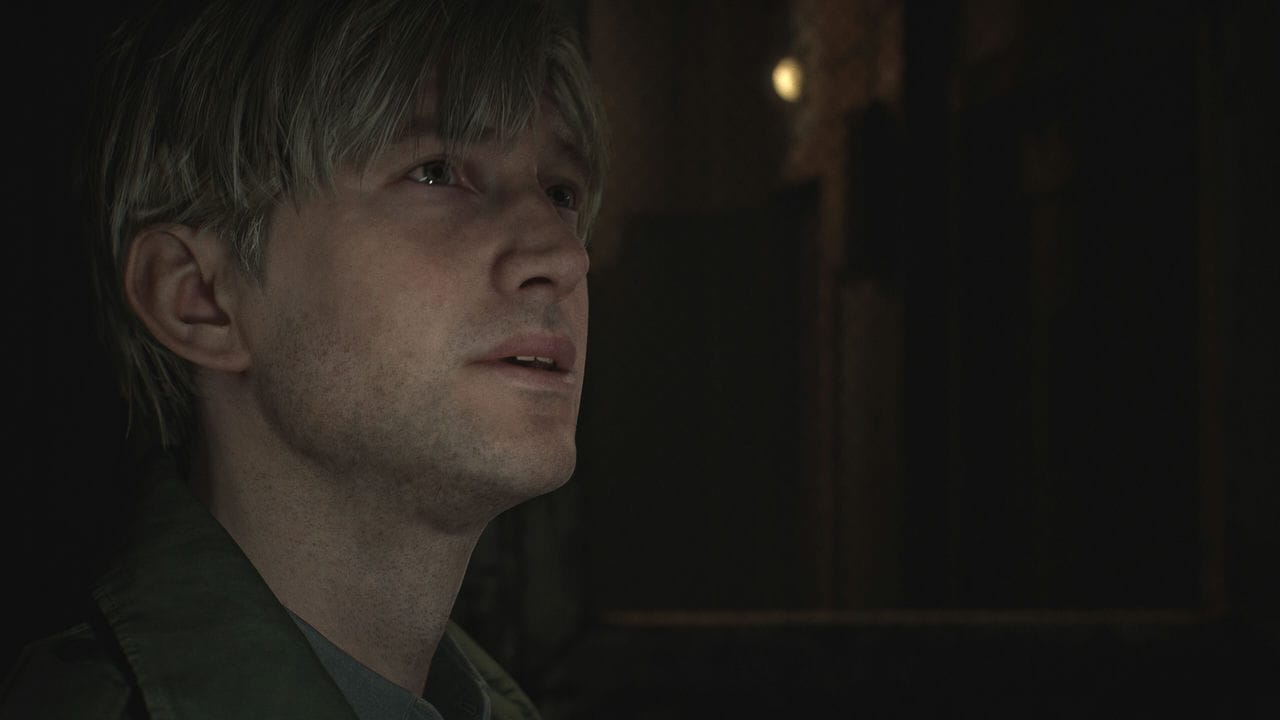
In the gaming world, remakes of classics are often met with both anticipation and skepticism—especially when creators from the original title suggest drastic changes. This was the case with the upcoming Silent Hill 2 remake, where the original Japanese development team and Bloober Team, the studio handling the remake, had divergent views on how to approach the game’s transformation.
An intriguing conversation with producer Motoi Okamoto unveiled behind-the-scenes discussions on remaking Silent Hill 2. The dialogue delved into not only the game’s new camera angles and user interface but also the more controversial subject of potential changes to the fabric of the original classic.
Contrary to what some fans might think, it was the original team members, including Masahiro Ito, the designer, and Akira Yamaoka, the sound designer, who were advocating for significant revisions. “We want to change this part,” they urged, indicating an interest in taking liberties with the source material. Meanwhile, Bloober Team—or perhaps more accurately, self-professed “big fans of the original”—were the ones pushing back to maintain the game’s essence.
“As a matter of fact, […] the Bloober Team had a lot of opinions like ‘No, we don’t want to change this part!’” Okamoto explained, shedding light on a creative dynamic built upon respect, enthusiasm, and at times, conflict. Despite differences in vision, this synergy eventually led to a product that Okamoto believes balances original charm with a modern touch—a sentiment backed by the latest trailer’s reception.
In discussing how classic games translate to the sensibilities of newer audiences, Okamoto hinted at the typical reluctance of original creators to rehash past work verbatim: “Game creators don’t want to re-create what they have created,” he said. This philosophy partly fueled the desired alterations for the remake, which, in another scenario, without the influence of Bloober Team, might have drifted significantly from the game that fans adore.
Changes in protagonist James’s age—initially aged up to reflect the passage of time since the game’s original fans played Silent Hill 2—serve as an example of a concept initially entertained and then reconsidered by the development team. Okamoto, upon reflection, accepts the merit of keeping James closer to his initial portrayal, resonating with the broader consensus that age isn’t just a number but a distinctive trait of character identity.
Bloober Team’s dedication to fan engagement is also apparent, as evidenced by their responsiveness to feedback on the combat trailer. Criticisms surrounding the game’s perceived increased action led to the tweaking of monster movements for what the team believes is a more resonant experience.
Even with the developers’ demonstrated willingness to listen to feedback, there remains a vibrant dialogue among the community regarding the character designs of Maria and Angela, which some perceive as lacking the depth of the original interpretations.
While Bloober Team’s Chief Marketing Officer previously mentioned the intent to update parts requiring “modernization,” the blend of what will be preserved and what will be renewed remains to be seen until the game launches. The careful calibration of these elements will likely continue as the release date approaches.
Designed for both new and nostalgic players, the Silent Hill 2 remake is on the horizon, slated to terrify gamers on Windows PC (via a popular digital distribution platform) and PlayStation 5 come October 8th. This revival of a horror favorite aims to stir a mix of familiar dread and fresh intrigue, proving that some haunts are timeless—even as they evolve.