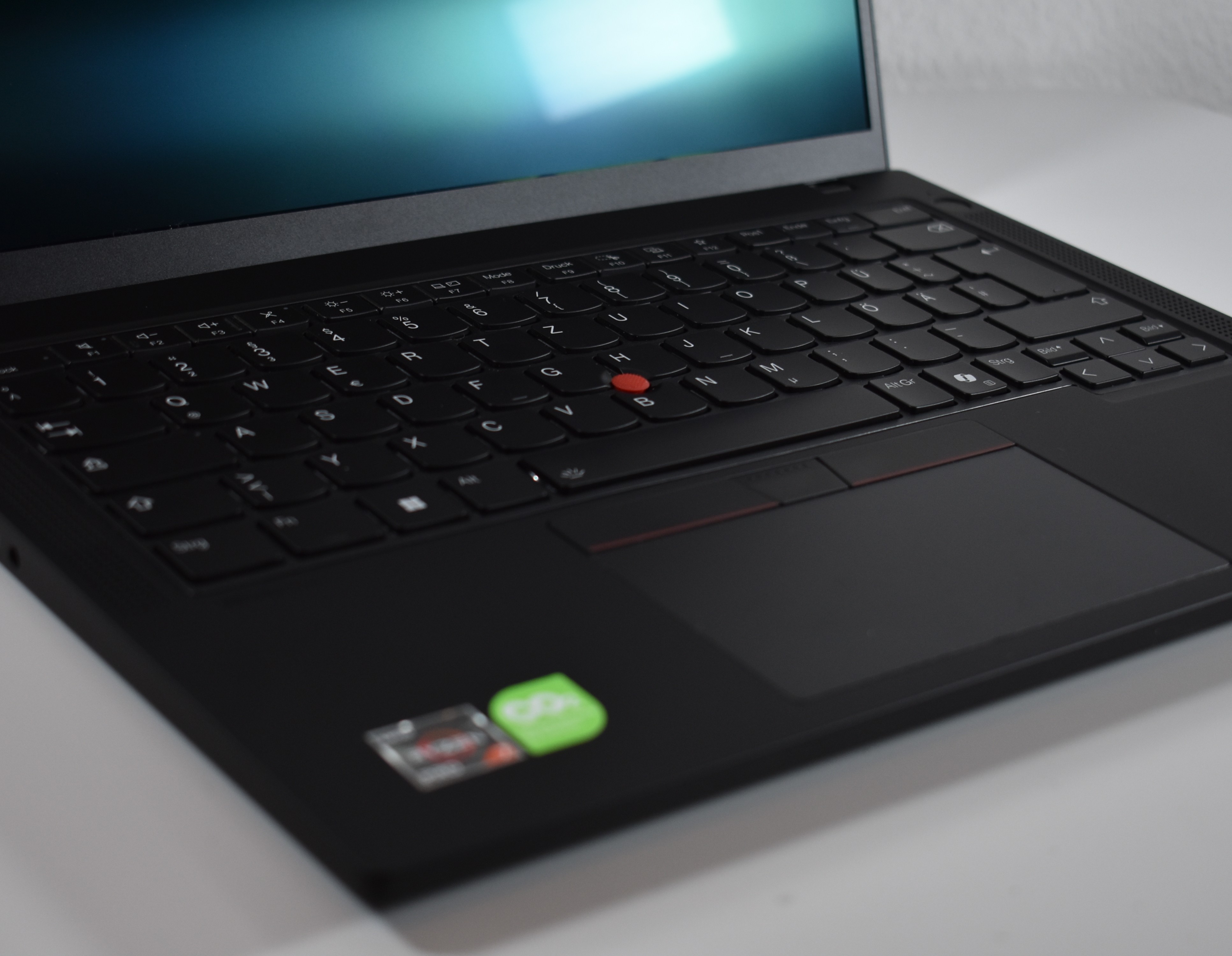
The Lenovo ThinkPad P14s Gen 5 is an intriguing laptop series for tech enthusiasts, especially with the option of choosing between AMD Ryzen 8000 and Intel Core Ultra processors. However, the excitement quickly dwindles for those considering the AMD version. Lenovo has taken an unusual approach by offering the two variants with significantly different specifications.
While it’s common for manufacturers to employ a uniform design across different CPU options to cut costs, Lenovo deviates from this approach. The AMD version is based on the ThinkPad T14 Gen 5’s design, resulting in a compromise on several fronts. It features a slightly smaller 14-inch display, a smaller 52.5 Wh battery, and a less effective single-fan cooling system. In contrast, its Intel counterpart boasts a more robust configuration, including a 14.5-inch screen, a 75 Wh battery, dual-fan cooling, and the added benefit of a dedicated GPU.
Reviewers have voiced concerns about these disparities, pointing out that the AMD variant falls short of expectations. The limited battery capacity does not complement the power-hungry OLED screen, leading to rapid battery drain. Moreover, any performance advantage is marginal over its power-efficient sibling, the T14 Gen 5 AMD.
This raises the question of whether Lenovo might have created a more balanced option had they unified the design approach with the Intel model as a blueprint. As it stands, consumers are left with a choice that leans unfavorably towards either a more lightweight, efficient experience with the ThinkPad T14 Gen 5 or a performance-driven option with the ThinkPad P14s Gen 5 Intel.
In summary, while the AMD version of the ThinkPad P14s Gen 5 may fail to impress, Lenovo still offers viable alternatives depending on users’ performance or efficiency preferences. It’s worth considering the specific needs before purchasing, as the current options provide unique benefits that cater to diverse requirements.