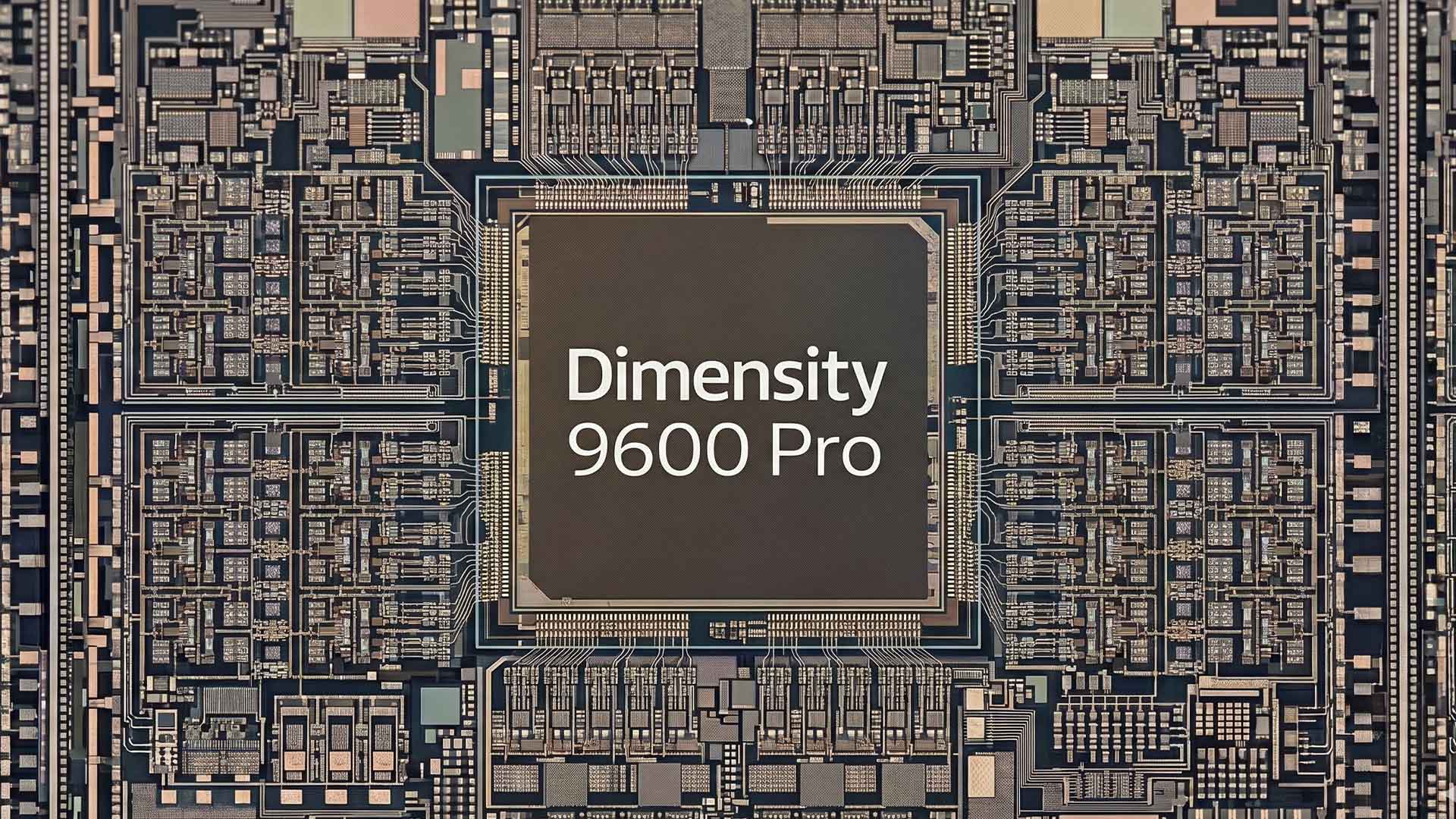
MediaTek’s next flagship smartphone chip is shaping up to be a major leap forward, with fresh leaks suggesting the Dimensity 9600 Pro could be among the first processors to use TSMC’s advanced 2nm “N2P” manufacturing process. If accurate, this would mark MediaTek’s most aggressive push yet for higher CPU performance, higher clock speeds, and a new core configuration designed to challenge the fastest mobile silicon on the market.
According to a leak shared by a well-known tipster on Weibo, an engineering sample of the Dimensity 9600 Pro has appeared in Geekbench 6 with eye-catching results. The reported single-core score lands between 4,200 and 4,300, while the multi-core score sits around 12,000 to 12,500. Those numbers also appear slightly higher than an earlier sighting, hinting that MediaTek may still be tuning the chip for extra performance before launch.
If these benchmark figures hold up, the Dimensity 9600 Pro could deliver meaningful gains over today’s premium processors and even outpace its direct predecessor, the Dimensity 9500. In the leaked comparison, the Dimensity 9600 Pro is shown at roughly:
– Around 21% higher single-core performance and about 15% higher multi-core performance versus Dimensity 9500
– Around 10% better single-core and about 24% better multi-core versus Apple’s A19 Pro in this specific Geekbench 6 comparison
– Around 25% better single-core and about 16% better multi-core versus the Snapdragon 8 Elite Gen 5 (Galaxy version) listed in the leak
One of the biggest rumored reasons behind the jump is a change in CPU cluster design. The Dimensity 9600 Pro is said to move to a “2 + 3 + 3” setup and, notably, to include two high-performance cores running at up to 5.00GHz instead of relying on a single ultra-high-frequency core. On paper, that’s an excellent recipe for stronger single-threaded bursts and better multi-threaded throughput—exactly the kind of workload Geekbench is known to highlight.
The catch is heat. Previous chatter from the same tipster community suggests that hitting 5.00GHz comes with serious thermal and power costs, with overheating already being raised as a concern at that frequency. That’s important context because benchmarks like Geekbench 6 typically run for short periods, allowing chips to sprint at peak clocks. In real-world sustained loads—extended gaming, long camera sessions, heavy multitasking, or prolonged AI tasks—chips commonly throttle (reduce clock speed) to stay within safe temperatures and power limits. If the 5.00GHz target proves too hot for consumer phones, final retail devices could ship with lower sustained performance than these early engineering results suggest.
Still, CPU scores aren’t the only reason the Dimensity 9600 Pro is getting attention. The chip is also rumored to bring several next-generation platform upgrades that can matter just as much for actual user experience, including:
– A new ARM Magni GPU for improved graphics and gaming performance
– Support for LPDDR6 memory
– Support for UFS 5.0 storage for faster app loads and file transfers
As with all early benchmark leaks, it’s worth treating these numbers as directional rather than definitive. Engineering samples often run outside normal limits, and final smartphone designs vary widely depending on cooling hardware, power tuning, and manufacturer priorities. Even so, these early Geekbench 6 scores paint a clear picture of MediaTek’s goal: push clock speeds higher, redesign the CPU core layout, and use cutting-edge 2nm manufacturing to compete at the very top of the flagship smartphone market.
More leaks are likely as testing continues, especially as the chip moves closer to mass production and retail devices reach certification and internal validation stages.