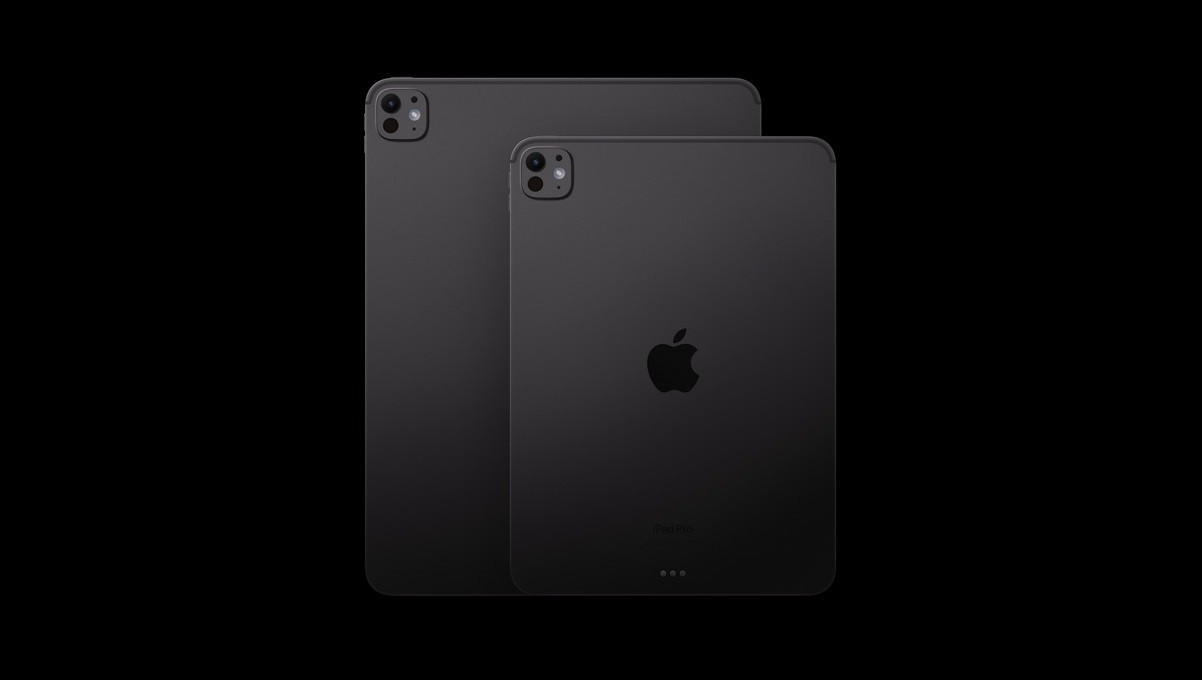
When it comes to the performance and capabilities of tablets, the OLED iPad Pro has certainly made a name for itself. With its impressive hardware specifications, it’s easy to see why this device is often touted as one of, if not the, best tablets currently available. Despite this, there are limitations that prevent the iPad from fully standing in as a laptop replacement—one of the most notable being the constraints of its operating system, iPadOS.
The concept of a dual-boot iPad, which would allow users to switch between iPadOS and macOS, has been brought into discussion, but not all industry experts view this as a logical step forward. A former high-ranking executive associated with the Windows platform at Microsoft, Steven Sinofsky, has weighed in, expressing his skepticism towards the idea, labeling it as impractical.
Essentially, Sinofsky’s argument is founded on the notion that a device designed to boot both iPadOS and macOS would fall short compared to a device that’s singularly focused. His opinion rests on his own experiences, recalling the challenges Microsoft faced with its Surface line—in attempting to create a product that served equally well as both tablet and laptop, it struggled to perfect either functionality.
Sinofsky believes that interface design is critically important and that desktop interfaces don’t translate well to touchscreen use—a principle he argues should discourage Apple from releasing an iPad running macOS or Macs equipped with touchscreen features.
Continuing down this avenue of thought, he suggests that if Apple were to explore integrating macOS into their tablets, it should be done in a way that is not primarily touch-focused; rather, it should offer a touch-friendly environment when connected to accessories like the Magic Keyboard. He likens the dual-boot idea to a mixed bag—appealing in concept, but in practice, never quite fitting the task at hand—similar to the market’s lukewarm reception to crossover vehicles that never truly excelled in any one function.
To harness the full potential of the iPad Pro’s powerful hardware, such as that found in the M4 iPad Pro, a better approach may be to refine iPadOS itself. By introducing a more desktop-oriented user interface and expanding the feature set specific to the iPad Pro line, Apple could provide a more suitable environment for users looking for a laptop-like experience.
In summary, although the prospect of a dual-boot iPad presents an attractive theoretical possibility for versatility, it’s met with resistance from experienced industry professionals who stress the importance of designated devices that perform their intended tasks without compromise. The future developments in operating systems and user interfaces will be pivotal in enhancing tablets like the iPad Pro and determining their place in the ecosystem between traditional computers and mobile devices.