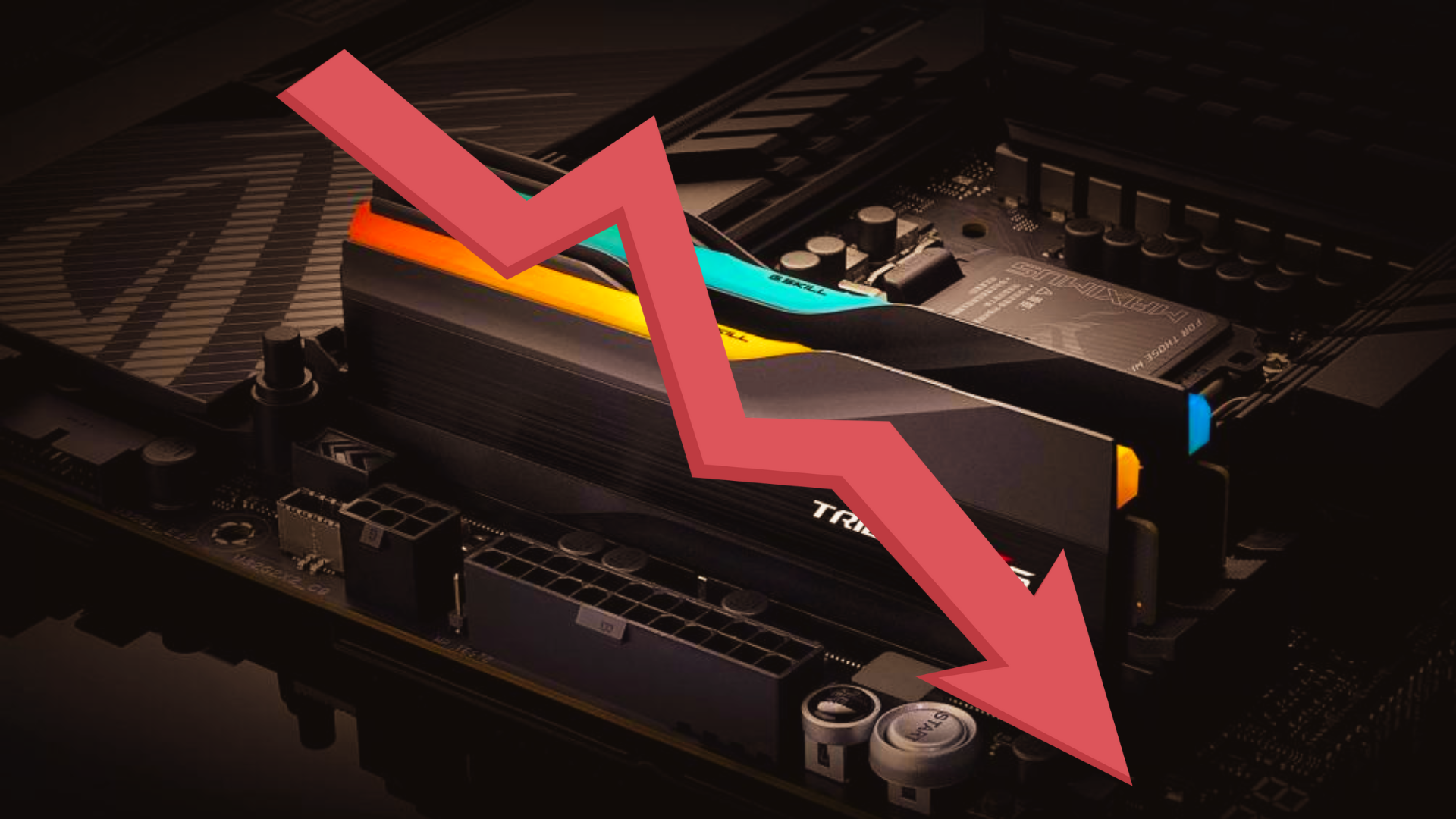
DDR5 memory prices have been climbing for months, but this week has delivered a welcome surprise for PC builders and gamers: a noticeable drop in DDR5 RAM pricing across several U.S. retailers. After tracking DDR5 listings consistently, the latest updates show that some kits have fallen sharply compared to where they sat just a week ago.
One of the biggest shifts is showing up in Corsair’s DDR5 lineup. Popular Corsair VENGEANCE DDR5 kits with 32GB capacity and speeds reaching up to 6400MHz have dropped to around $379.99 at major online retailers, down from recent highs near $490. That’s a sizable reduction for a category that has been stubbornly expensive, especially for higher-speed configurations.
The discounts also extend to smaller kits. For example, a 16GB DDR5-5200 module has been spotted at roughly $219.99, which is lower than its previous peak pricing of around $260. While that cut is less dramatic than the 32GB deals, it still signals a real change from the elevated pricing many shoppers were seeing throughout the recent DDR5 run-up.
These price drops aren’t confined to just one storefront. Similar pricing has appeared across multiple retailers, suggesting this isn’t merely a one-off promotion. That said, the strongest discounts appear to be concentrated around Corsair kits, with other brands generally seeing smaller or less consistent reductions. Even so, considering that many 32GB DDR5 kits were selling for $450 or more not long ago, the current pricing looks like a meaningful step in the right direction.
So what’s driving the sudden dip? A major talking point in the memory world right now is Google’s newly revealed TurboQuant compression approach, which has sparked intense debate across the industry. TurboQuant is described as a KV cache compression method designed to reduce memory requirements in certain AI workloads by as much as 6x, while reportedly maintaining performance in long-context tasks. Not everyone agrees with the implications or the claims, but the discussion alone has been enough to shake confidence in how urgently the market may need ever-increasing memory capacity in the near future.
If memory requirements can be reduced at scale for major workloads, it could ease some of the pressure that has built up around DRAM demand—especially during a period when supply constraints and production bottlenecks have been influencing pricing. One possible explanation for this week’s DDR5 price drop is that retailers and suppliers may be reacting to the broader market uncertainty with inventory adjustments or faster sell-through strategies. For now, that remains speculation, but the timing is hard to ignore.
For gamers and PC enthusiasts, the practical takeaway is simple: DDR5 RAM deals are appearing again, and some are among the best seen in weeks. However, these discounts seem limited to select vendors and specific models, so anyone shopping for DDR5—especially 32GB kits or higher-speed modules—may want to compare prices quickly while the drops are still showing up.