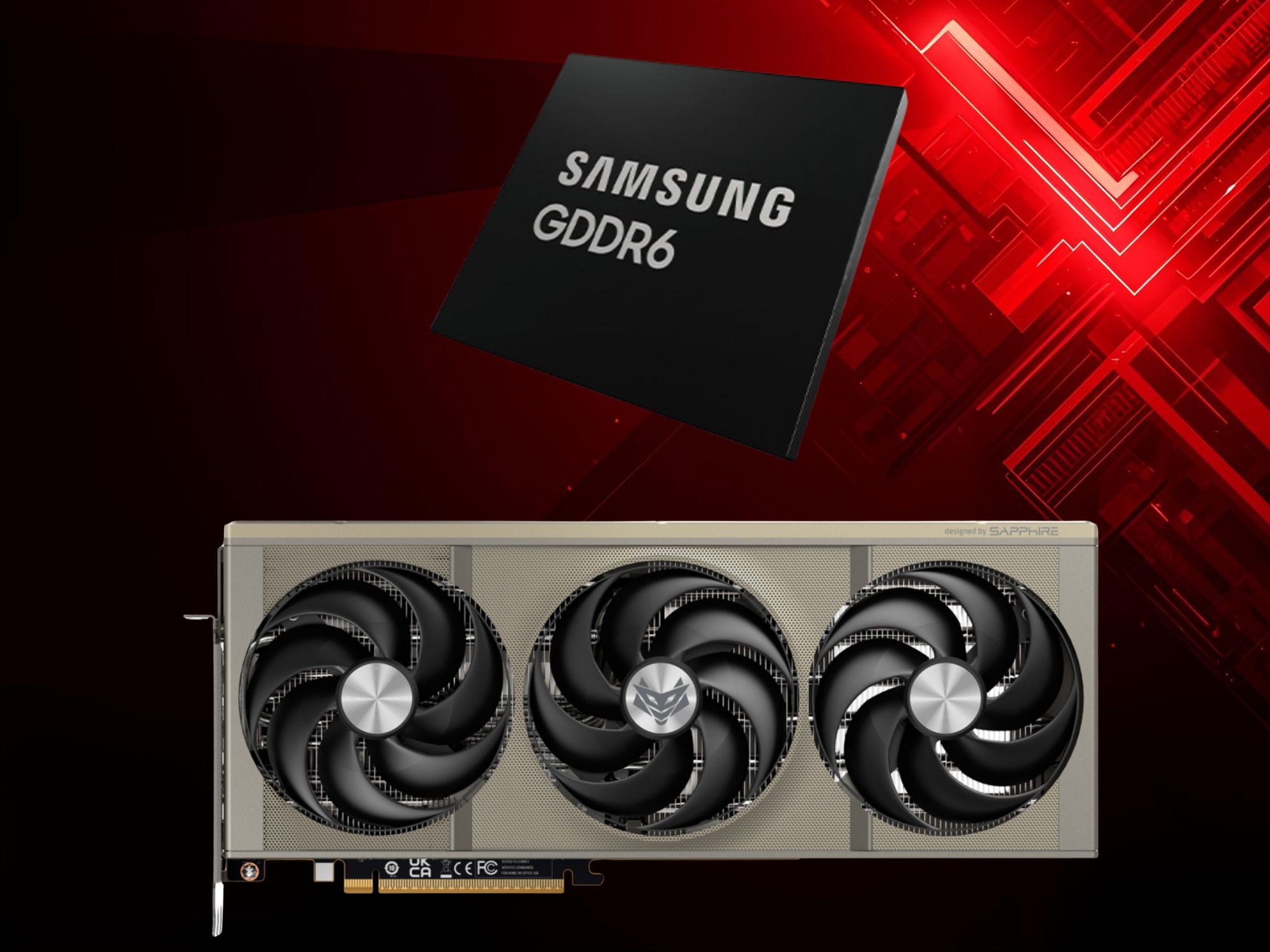
DDR5 RAM prices have surged to levels that are making a lot of PC gamers rethink their next upgrade. For anyone planning a new build, memory has become one of the most frustrating expenses, and the ripple effects could spread far beyond RAM. When a key part like DDR5 becomes unreasonably priced, it doesn’t just slow down memory purchases—it can stall entire PC builds, affecting demand for cases, motherboards, coolers, storage, and even graphics cards that depend on their own onboard memory.
A representative from Sapphire believes the current situation may not last as long as many fear. Speaking during a recent discussion about the DRAM market, Sapphire PR manager Edward Crisler described the situation as “dire” and potentially worse than many shoppers realize. But he also offered a practical takeaway: if you can wait, holding off for about six months could be the smartest way to avoid paying peak pricing. In his view, DDR5 costs may begin to level out in as little as six to eight months.
Part of Crisler’s argument is that the spike isn’t purely about a true lack of supply. He suggests panic and uncertainty are amplifying the problem, pushing buyers and sellers into worst-case assumptions that can quickly inflate prices further. When enough people expect prices to keep climbing, the market can become a self-fulfilling cycle—shoppers rush to buy “before it gets worse,” and pricing pressure intensifies.
He pointed to a familiar pattern from recent PC hardware history: panic buying and aggressive price moves triggered by policy and market headlines. When U.S. tariffs became a concern, some vendors reportedly adjusted pricing and inventory strategies even for products that weren’t directly impacted. Over time, while some categories stayed higher than before, the most extreme increases eased up. Crisler sees echoes of that behavior in today’s DDR5 environment, where fear-driven reactions may be contributing to the scale of the price jumps.
Still, not everyone shares Sapphire’s optimism. Some industry expectations suggest inflated memory pricing could stick around for years, with timelines stretching well beyond the near term. A major factor is manufacturing strategy. Large DRAM producers such as Samsung and SK Hynix have strong incentives to avoid ramping production too aggressively—even when demand is intense—because oversupply can crush pricing and future profits. With AI data centers consuming enormous amounts of memory, manufacturers may prioritize stable margins instead of flooding the market with additional consumer-grade supply.
If DDR5 RAM prices don’t drop quickly, Crisler believes buyers will find workarounds, just as PC enthusiasts have done during past shortages and price spikes. That could mean holding onto existing systems longer, optimizing older hardware, or choosing builds that use less memory than originally planned. It’s not the ideal outcome for gamers who want the best performance per dollar, but PC hardware trends have repeatedly shown that consumers adjust when pricing becomes out of reach.
For shoppers trying to decide what to do next, the message is straightforward: DDR5 RAM pricing is currently a major pain point for PC gaming upgrades, but if your build isn’t urgent, waiting several months could help you avoid the worst of the surge—especially if today’s prices are being inflated by uncertainty as much as by actual shortages.