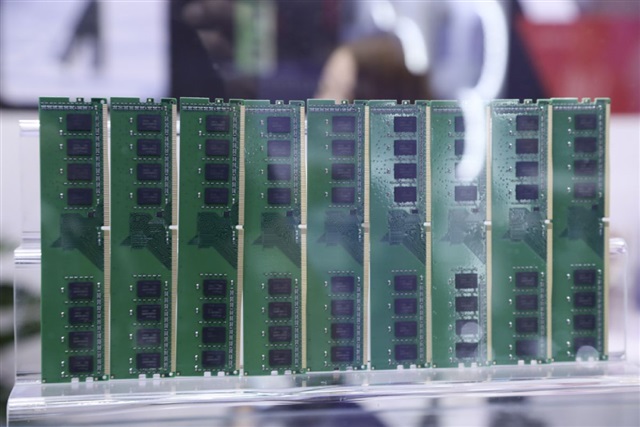
DDR4 memory is having a moment. Prices are climbing and volumes are rising at the same time, a rare combination that points to a tight supply environment and aggressive inventory replenishment across the market. As distributors, PC makers, and system integrators race to lock in stock, orders are heating up through the entire supply chain and lifting overall operational performance for component vendors.
What’s driving the surge
– Capacity shifts to newer standards: As fabrication lines prioritize DDR5, less capacity is left for DDR4, tightening supply for a standard that still powers millions of desktops, laptops, servers, and embedded systems.
– Ongoing demand from legacy platforms: Enterprises, educational institutions, and budget-conscious builders continue to refresh or maintain DDR4-based fleets rather than jump platforms.
– Channel restocking: After a period of lean inventories, wholesalers and retailers are topping up aggressively to avoid stockouts, pushing up short-term demand.
– Seasonal and project-based orders: Rollouts for back-to-school, holiday builds, and scheduled IT upgrades can amplify the need for mainstream memory.
Who is feeling the impact
– Component makers and module brands: Stronger order books and improved utilization are supporting better short-term performance.
– Distributors and retailers: Faster turnover and firmer pricing, but tighter allocation and longer lead times to manage.
– PC builders and IT teams: Higher procurement costs, with popular capacities like 16 GB and 32 GB kits seeing the most attention due to their sweet spot for modern workloads.
What buyers should do now
– Act sooner if you’re planning an upgrade: If your platform is locked to DDR4, consider purchasing earlier to avoid further price creep or longer lead times.
– Prioritize capacity over peak speeds: For most users, moving from 8 GB to 16 GB or 32 GB delivers more noticeable gains than chasing ultra-high frequencies.
– Check platform compatibility: Match memory speed, voltage, and timings to your motherboard’s QVL to prevent instability or performance loss.
– Avoid mixing unmatched kits: Even identical-looking sticks can vary by IC and timing. Buy matched kits to maintain dual-channel performance and reliability.
– Evaluate the jump to DDR5: If you’re already considering a platform upgrade, compare the total cost of switching (CPU, motherboard, memory) against sticking with DDR4 now and upgrading later.
Short-term outlook
– Prices likely remain supported: Tight supply, solid restocking momentum, and healthy downstream demand point to continued firmness in pricing.
– Volumes stay elevated: As the channel rebuilds inventory, shipments are set to remain active, sustaining the current uptrend.
– Watch lead times and promotions: Improvements in lead times or unexpected promo activity can signal easing; continued constraints suggest more price persistence.
Key takeaways
DDR4 isn’t fading quietly. Despite the industry’s shift toward DDR5, DDR4 remains essential for a huge installed base. With supply constrained and buyers replenishing inventories quickly, both prices and shipments are on the rise. For consumers and IT managers, that means planning purchases strategically, prioritizing capacity and compatibility, and weighing the cost-benefit of staying with DDR4 versus timing a move to newer platforms.
If you rely on DDR4 for critical systems or near-term builds, lock in what you need rather than trying to time the market. Tight supply and strong demand are keeping this mature memory standard firmly in the spotlight.