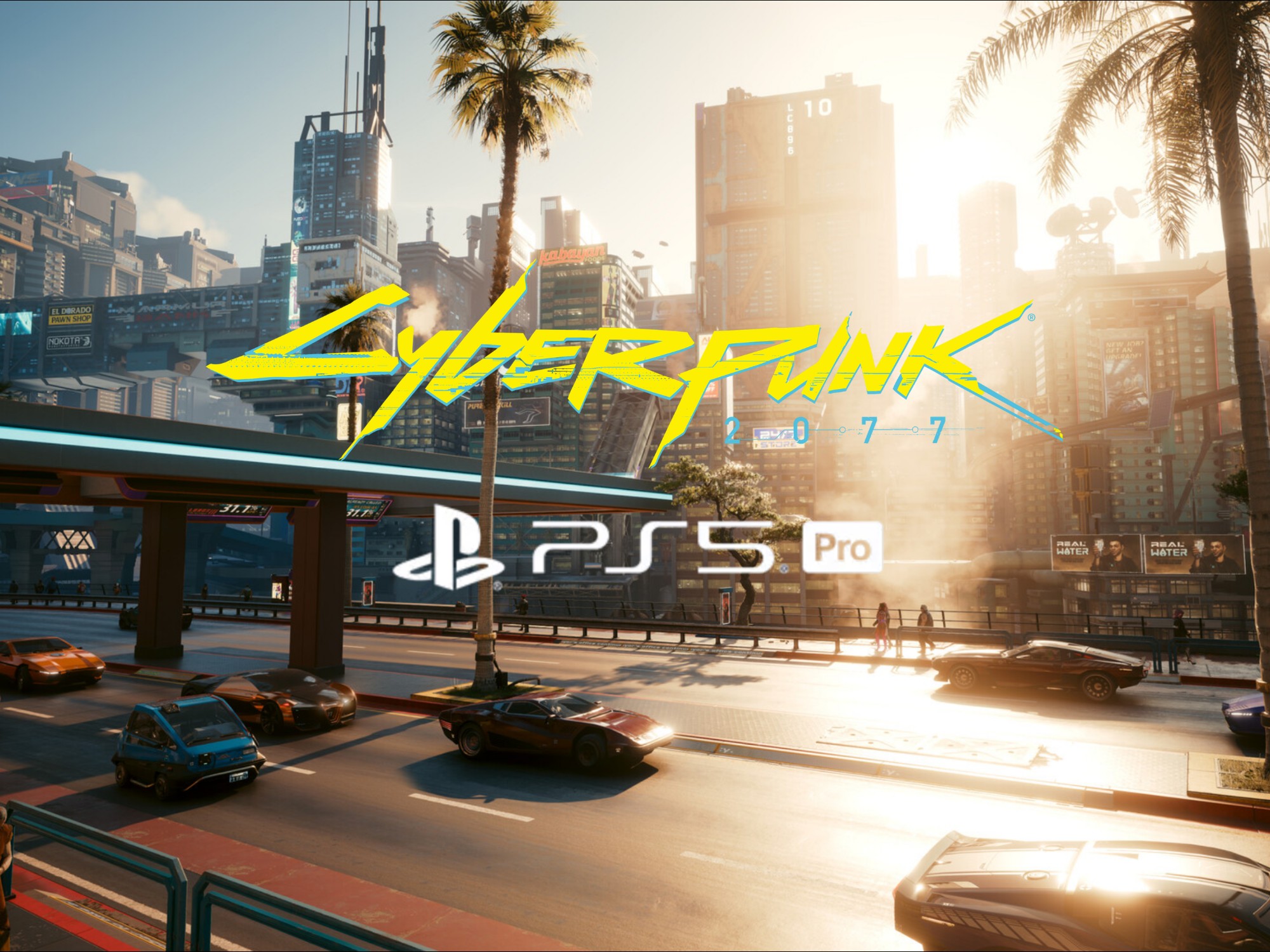
Cyberpunk 2077 is getting a noticeable visual and performance lift on PS5 Pro thanks to a new patch that adds fresh graphics options and improved image processing. A recent performance analysis highlights how the upgraded PlayStation hardware, combined with enhanced PSSR upscaling and expanded ray tracing features, can make Night City look cleaner, sharper, and more believable than before. Even so, the update doesn’t fully match what high-end PC settings can deliver, and a few long-standing open-world quirks still remain.
The PS5 Pro update introduces three distinct performance modes, giving players more control over frame rate targets and visual fidelity depending on their display and priorities.
The headline option is Ray Tracing Pro mode. This preset focuses on higher-end lighting features, including ray-traced reflections, ambient occlusion, and improved shadowing that helps scenes feel more grounded and realistic. On standard 60Hz TVs and monitors, the game targets 30 fps, while 120Hz displays can unlock a 40 fps target. In demanding scenes, there can be brief drops below that higher mark, but overall it’s designed for players who want the best-looking console presentation of Cyberpunk 2077.
A key part of the upgrade is PSSR upscaling, which reconstructs a 4K image from a 1440p base. In practice, this helps ray tracing shine more clearly than on the original PS5’s quality-focused options. Outdoor daytime scenes can appear more natural, with lighting that looks less “gamey” and more consistent across surfaces. Nighttime is where the improvements can stand out the most: moving away from screen-space reflections in key areas helps neon signs, bright billboards, and shiny materials produce a more convincing glow and reflection behavior.
That said, the update still has boundaries. Ray-traced reflections show up on certain surfaces such as windows and glossy car finishes, but elsewhere the game still leans on older screen-space techniques. In other words, it’s not a fully ray-traced solution across the entire image. Even with that limitation, the overall presentation at these settings can start to resemble what you’d expect from a solid gaming PC, especially if you’re comfortable with a lower frame rate.
For players who want higher responsiveness without giving up too much visual quality, Ray Tracing mode is aimed at 60 fps and reduces some advanced lighting perks (such as global illumination) to hit that target. There may still be occasional dips, but the gameplay generally holds up well. Like the Pro mode, it uses PSSR to upscale from 1440p to 4K, and the resulting image can look significantly sharper than what many players are used to on the standard PS5. This preset is often the “middle ground” choice: smoother motion while still keeping ray tracing in the mix.
If your top priority is low latency and the fastest-feeling combat and driving, Performance mode is the go-to. It drops enhanced lighting features, but on displays that support VRR, frame rates can climb much higher—often reaching around 90 fps in many situations. For players who care most about snappy aiming, fluid camera movement, and overall responsiveness, this will likely be the most satisfying way to play.
Overall, the patch is a strong step forward for Cyberpunk 2077 on PS5 Pro, especially for players with a 120Hz/VRR display who can take advantage of the extra headroom. Still, the update leaves some wish-list items on the table. A fully ray-traced option—even if it required a lower resolution—would have been a welcome addition for graphics enthusiasts. And while the improved hardware helps, it can’t completely eliminate open-world pop-in, which remains noticeable at times as the city streams in assets while you move quickly through Night City.
For anyone returning to Cyberpunk 2077 or jumping in for the first time, the PS5 Pro update offers a more polished, better-looking experience with meaningful choices between image quality and performance—making it one of the more impressive console upgrades for the game to date.