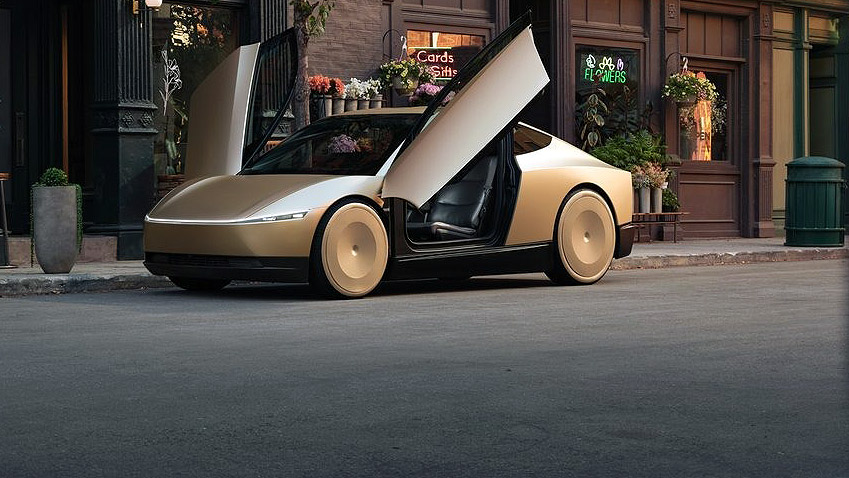
Tesla is turning heads with the recent unveiling of its futuristic Robotaxi, a sleek two-seater electric vehicle equipped with innovative features and set to be its most affordable offering yet. Scheduled to hit the roads in 2026, this electric marvel will retail for under $30,000. Although not the anticipated $25,000 Model 2, the Robotaxi’s attractive price point makes it an enticing option for budget-conscious buyers. Despite its limited passenger capacity, it’s loaded with groundbreaking technology that captures the imagination.
During its grand Hollywood presentation, Tesla CEO Elon Musk referred to the vehicle as the Cybercab, a nod to its striking design echoes of the iconic Cybertruck. Musk decided to delay the formal unveiling to make certain aesthetic tweaks, such as integrating a Cybertruck-like light bar to the edge of the hood, adding to its futuristic appeal.
Perhaps one of the most talked-about features of the Robotaxi is its full self-driving capability, eliminating the need for pedals or a steering wheel. Tesla plans to initiate unsupervised Full Self-Driving (FSD) operations in Texas and California next year, setting the stage for the first Robotaxi trips.
Another groundbreaking aspect is its wireless charging technology, making it Tesla’s first vehicle to forgo a traditional charging port. This induction charging requires special pads and is expected to charge more slowly compared to wired methods, akin to wireless phone charging.
A crucial element for its role in the planned Cybercab ride-share platform is its autonomous cleaning system. Tesla showcased a patent-pending blend of UV technology and an automatic vacuuming system that keeps the Robotaxi immaculate. A robotic arm equipped with a vacuum can sweep the interior, and a mechanism wipes the central touchscreen clean, maintaining hygiene without human intervention. Sensors and environmental data will help determine when cleaning is needed.
Priced at $29,990, the Robotaxi is set to offer significant savings both at purchase and during operation. Musk estimates the operating cost per mile at about $0.20, with gross costs starting at $0.30 per mile, a fraction of public transportation costs. However, these projections will need real-world validation.
With the Robotaxi’s release aimed for 2026, Tesla is gearing up for mass production, aligning with the launch of the Model 2, a more conventional car sharing the same platform. As anticipation builds, Tesla enthusiasts and tech lovers alike await the dawn of this affordable and sophisticated era in automotive innovation.