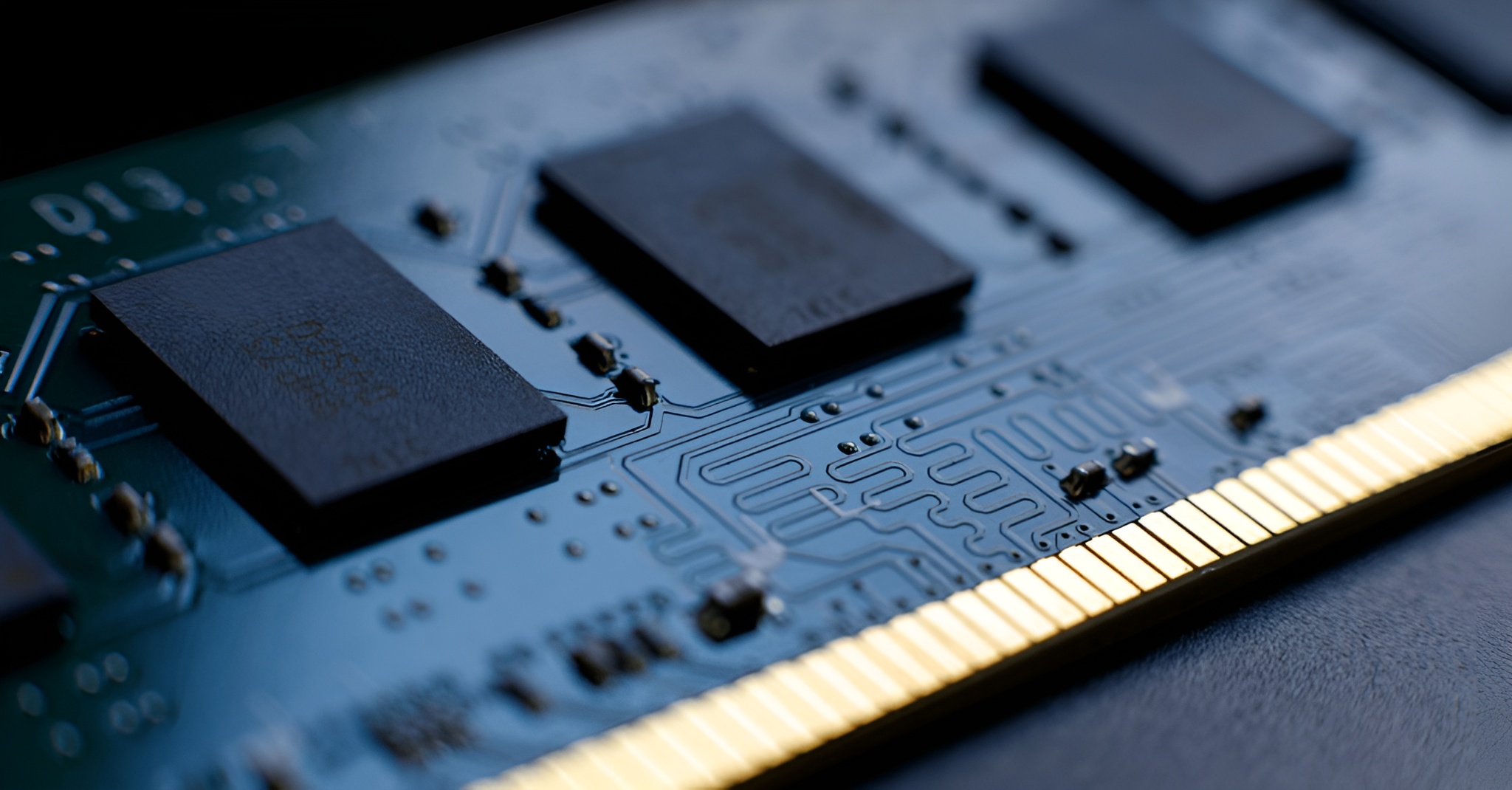
China’s tech industry is demonstrating its growing prowess with CXMT, the country’s leading memory manufacturer, embarking on the mass production of DDR5 memory modules. This significant achievement represents a new milestone in China’s advancement in the technology sector, challenging the giants of the global memory market.
Amid shifting geopolitical landscapes, Chinese companies are increasingly asserting their capabilities by establishing robust internal production lines. CXMT’s progress in DDR5 technology was reported by Korean media, highlighting China’s swift evolution in this crucial industry. The potential impact of CXMT’s developments could be profound, particularly if the company pushes its low-cost DRAM products aggressively. This move could challenge the dominance of major players like Samsung and SK Hynix, especially within the Chinese market.
Two prominent Chinese companies, KingBank and Gloway, are already benefiting from CXMT’s DDR5 memory modules. These firms are witnessing significant consumer adoption, bolstered by “China-made” chips that promise up to 32 GB DDR5 capacities. This shift has been well-received domestically, reflecting a strong appreciation for homegrown technological advancements. While CXMT has yet to disclose specific details about its DDR5 specifications, reports indicate that its yield rates are competitive, matching the 80-90% achieved by leading South Korean manufacturers.
China’s DDR5 breakthrough brings the nation closer to reaching parity with other global industry leaders, enhancing its position in the memory sector. However, challenges remain. Sanctions restrict access to advanced manufacturing equipment like EUV (Extreme Ultraviolet Lithography), necessitating reliance on older technologies. Nevertheless, with China’s capacity for high-volume production, its competitive edge could grow as DDR5 technology becomes more widespread.
The future may see Chinese memory manufacturers gaining a stronger foothold in international markets, signaling potential shifts in the industry’s landscape as they continue to innovate and expand their technological offerings.