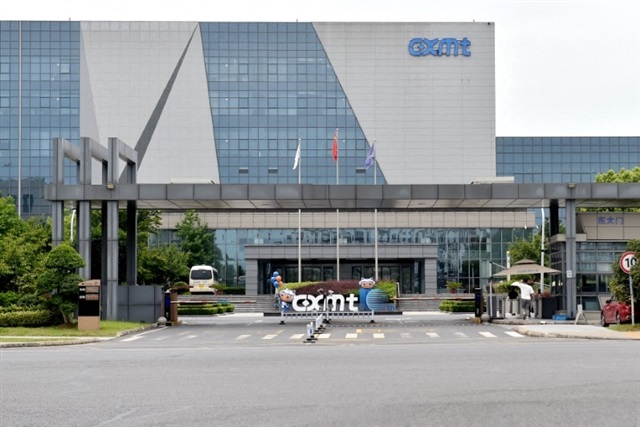
CXMT Predicts Tight DRAM Supply Through Late 2026 as AI Demand Keeps Memory Market Hot
ChangXin Memory Technologies, better known as CXMT, expects the global DRAM market to remain under supply pressure through the second half of 2026. The Chinese memory manufacturer believes that strong demand from artificial intelligence, cloud computing, and server infrastructure will continue to support DRAM prices as the industry works to expand production capacity.
The memory market has been shifting rapidly as AI workloads require larger amounts of high-performance memory. Data centers, enterprise servers, and AI accelerators are consuming more DRAM than ever, creating a supply-demand imbalance that could last longer than many expected. CXMT’s outlook suggests that memory buyers may face firm pricing and limited availability well into 2026.
AI continues to reshape the DRAM industry
The surge in artificial intelligence is one of the biggest forces driving DRAM demand. Training and running advanced AI models requires powerful server systems equipped with large memory pools. As more companies invest in AI infrastructure, demand for server DRAM is rising sharply.
This trend is benefiting memory manufacturers, especially as older cycles of oversupply give way to a more favorable pricing environment. Instead of weak demand and falling prices, the DRAM industry is now seeing stronger orders from cloud service providers, data center operators, and AI hardware manufacturers.
CXMT appears to be positioning itself to take advantage of this long-term shift. The company is increasing production capacity, improving its manufacturing processes, and expanding further into the server memory segment.
CXMT expands capacity and advances DRAM technology
To meet rising demand, CXMT is accelerating its production roadmap. The company is working on process upgrades that could help improve efficiency, boost output, and strengthen its competitiveness in the global DRAM market.
Server memory is becoming a major focus. While consumer devices such as smartphones, laptops, and desktop PCs remain important, the strongest growth is currently coming from enterprise and AI-related applications. Server DRAM typically offers higher value and plays a critical role in modern computing infrastructure.
By expanding into this area, CXMT could strengthen its presence in a market traditionally led by larger international memory makers. Its progress also reflects China’s broader push to develop a stronger domestic semiconductor supply chain.
DRAM prices may stay elevated
If supply remains tight through the second half of 2026, DRAM prices could remain stable or continue rising, depending on demand levels and production growth. For device makers, server builders, and cloud companies, this may mean higher memory costs for an extended period.
For memory manufacturers, however, the outlook is more positive. Tight supply generally supports healthier margins and encourages further investment in advanced production technologies.
The situation also shows how deeply AI is influencing the semiconductor industry. Demand is no longer being driven only by traditional consumer electronics cycles. Instead, AI servers, high-performance computing, and data center expansion are becoming central growth engines for memory suppliers.
A stronger role for China’s memory industry
CXMT’s forecast highlights the company’s growing confidence in the global DRAM market. As it improves its technology and expands output, the firm aims to become a more important player in server memory and advanced DRAM production.
Although competition remains intense, the current market environment may create opportunities for companies that can scale quickly and deliver reliable memory products. With AI demand expected to remain strong, CXMT’s focus on capacity expansion and process improvement could help it capture a larger share of future growth.
The DRAM market is entering a critical period. With artificial intelligence pushing memory requirements higher and supply expected to stay constrained, 2026 could be another important year for the global memory industry. CXMT’s outlook suggests that the AI-driven memory boom is far from over.