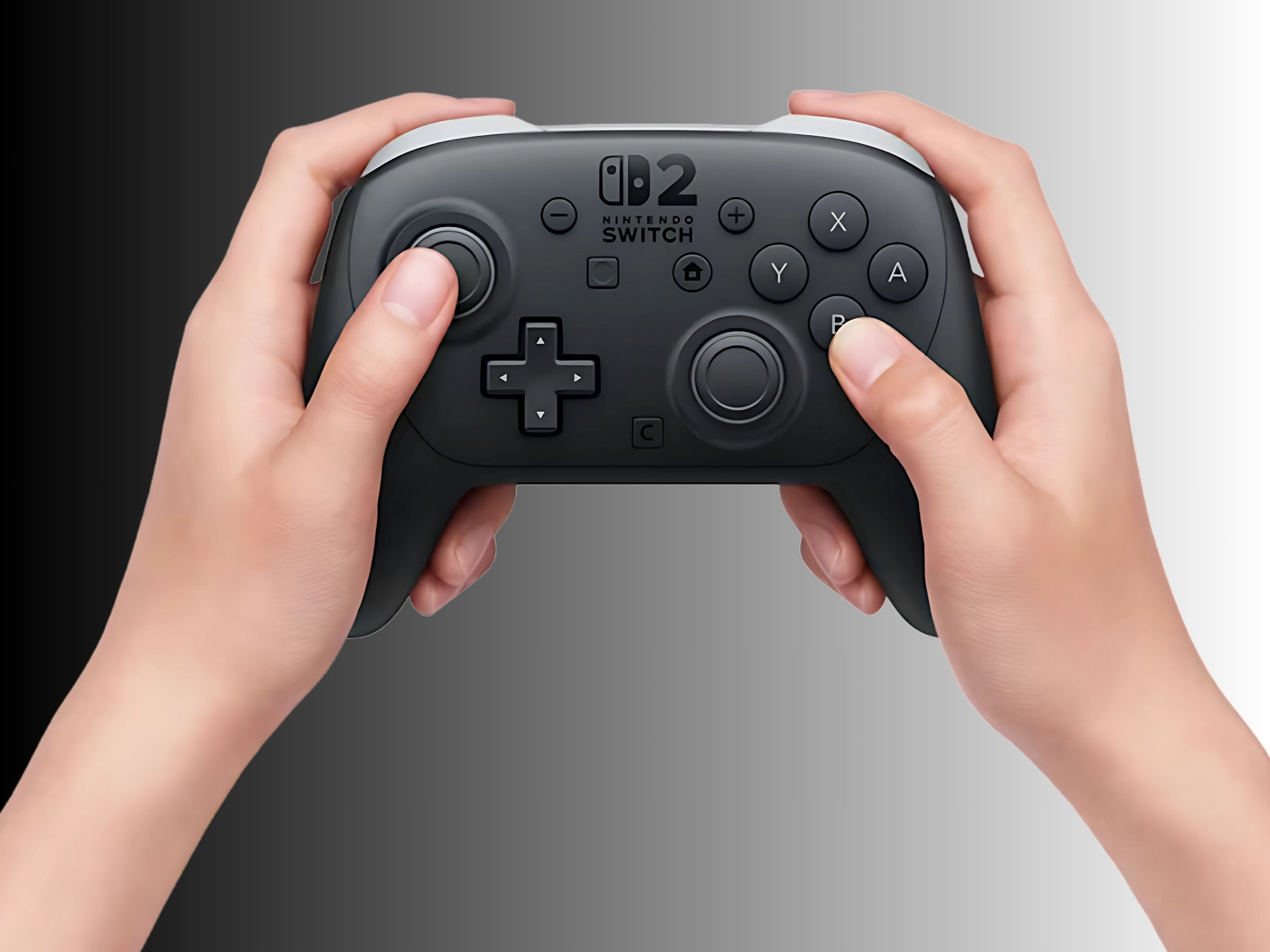
The Nintendo Switch 2 Pro Controller has recently undergone an insightful teardown that sheds light on its design and affordability. With the Switch 2’s higher price tag, accessories are also adding to the financial load for gamers. The teardown reveals that the Pro Controller’s build quality may not justify its $84.99 price, as repairs are cumbersome and the device lacks the durable Hall effect analog sticks found in cheaper alternatives.
Nintendo, while holding off on a Switch 2 price hike, has not spared its accessories from increased costs. A detailed teardown explored whether the Pro Controller’s construction warranted its price. The analysis prioritized repairability, highlighting the troublesome decision to exclude Hall effect analog sticks. Instead, the controller continues using potentiometers, which, although somewhat easier to replace, may still suffer from the notorious stick drift that plagued previous models.
The teardown begins with the removal of the controller’s outer shell, revealing the adhesive and awkwardly positioned screws that secure its components. A significant critique is the difficulty in accessing the rechargeable lithium battery, a likely candidate for future replacements due to its consumable nature.
Users had hoped for more resilient Hall effect sensors to prevent analog stick drift; however, the familiar potentiometers remain. The controller generally performs well, but iFixit notes that a $29.99 alternative, boasting Hall effect technology, is now available, albeit missing a few features like the C button.
On a positive note, Nintendo has been commendable with its repair policies, offering free services for original Joy-Cons and Pro Controllers that experienced stick drift, even outside warranty periods. This support is expected to extend to the new accessories as well.
The challenges aren’t limited to the controller alone; the Nintendo Switch 2 console itself has also been deemed difficult to repair, as revealed in previous teardowns. These insights highlight the growing conversation around gaming accessory affordability and repairability.