The world of do-it-yourself gaming handhelds is diverse and ever-evolving. Enthusiasts have previously engineered devices utilizing Raspberry Pi technology to emulate retro games successfully. However, recent developments have seen more powerful hardware being incorporated into personal gaming projects, creating a buzz among tech aficionados and gamers alike.
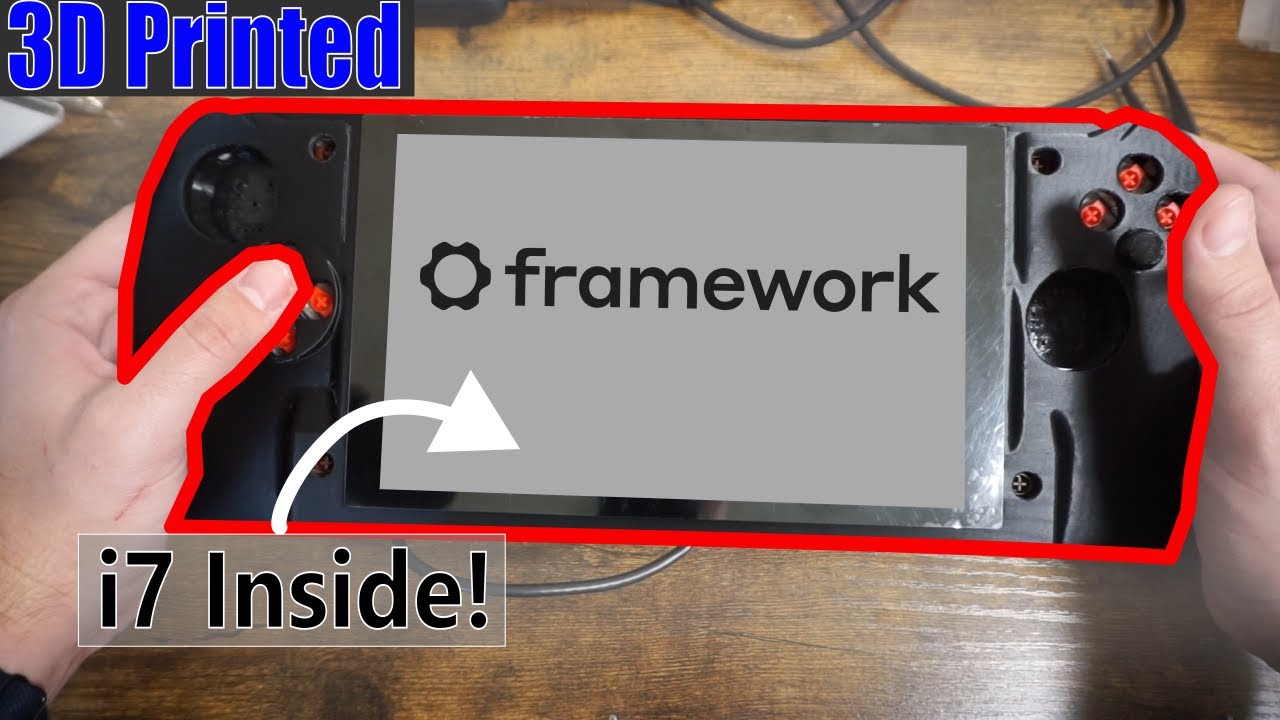
One such endeavor is a custom-built gaming handheld using the motherboard of an 11th Gen repairable laptop, introduced by Framework. This motherboard retails at an accessible price point and hosts an Intel Core i7-1165G7 processor, known for its robust performance. It caters admirably to gaming needs, particularly when anchored in this innovative handheld design.
The DIY Framework gaming handheld, conceptualized by tech enthusiast TommyB, is an emerging project that has caught the attention of the gaming community. TommyB utilized this motherboard due to its potent processor and the sale that rendered it an even more attractive option.
Powering the device without a constant power supply, the design incorporates a battery meant for Framework laptops, allowing for gaming on the go. An 8-inch Wave Share touchscreen display serves as the visual interface, providing a generous screen size in comparison to other popular handhelds such as the Steam Deck and Asus ROG Ally.
A key feature that sets this DIY gaming handheld apart is its customizability, particularly in terms of controls. Shying away from conventional controllers, TommyB elected to use Hall effect joysticks and low-profile switches from Gateron. The custom controller setup is driven by the GP2040-CE firmware on a Raspberry Pi Pico, granting compatibility with any game supporting controller inputs.
The current prototype embraces a 3D-printed PLA body, tailored to contain all components while ensuring comfort during use. However, given the pliability of PLA under heat, a transition to more heat-resistant materials like ABS is likely for the final model to ensure durability and maintain structural integrity.
The project is still a work in progress; while the prototype can boot up, the controls require fine-tuning to truly replicate an authentic handheld gaming experience. Nevertheless, TommyB’s commitment to the project is unwavering. A follow-up video providing updates and a full tutorial for those interested in constructing their own version of this gaming handheld is in the pipeline.
This undertaking not only heralds a customizable, powerful handheld gaming device but also serves as a testament to the innovative spirit of the tech community. It is a demonstration of how ingenuity and modern technology can converge to provide personalized solutions and advance the realm of personal gaming systems.