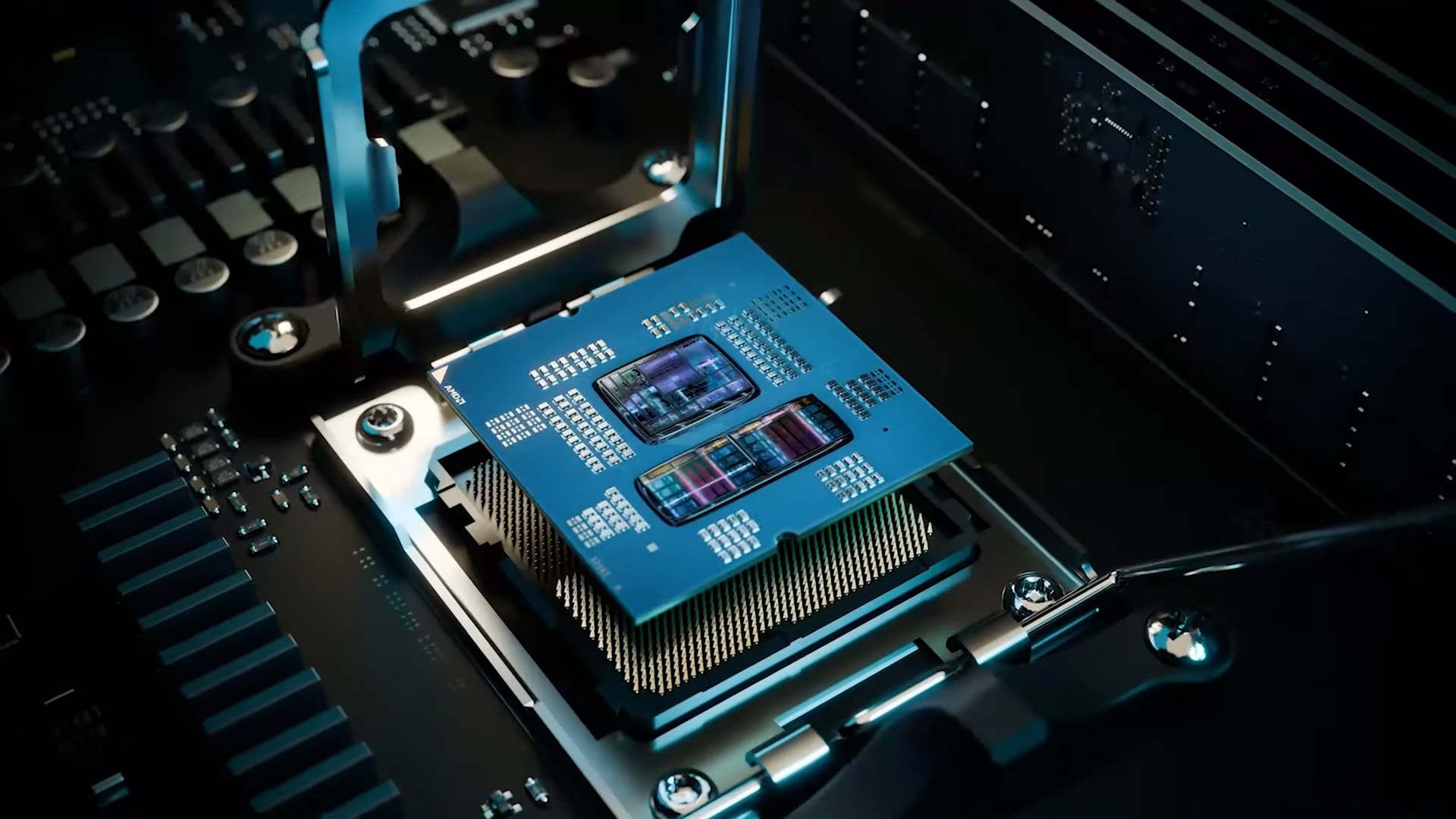
Big CPU makers are ramping up production, but if you’re hoping that means cheaper processors anytime soon, the latest supply chain chatter suggests otherwise. Intel, AMD, and MediaTek are all increasing output to keep up with surging demand, yet shortages tied to the AI boom are still pushing CPU prices higher across multiple segments.
A major force behind today’s tight supply is the rapid expansion of “agentic AI” workloads and the infrastructure being built to run them. As AI platforms scale, the balance of hardware being deployed is shifting fast. The once-common GPU-to-CPU pairing ratio has reportedly dropped from around 8:1 to 4:1, and it may eventually approach 1:1. In practical terms, more AI and data center builds are now competing directly for the same pool of processors that also serve enterprise and mainstream PC markets.
Intel’s server strategy is also reshaping the rest of the industry. With limited manufacturing capacity, Intel has been prioritizing its higher-priced Xeon server chips. Demand for Xeon has reportedly hit record levels, but supply hasn’t been able to keep pace. That server-first approach has an immediate ripple effect: fewer Intel chips are available for notebooks and desktop PCs, leaving OEMs with longer waits and fewer options—at least from Intel.
That gap is creating a rare opening for rivals. AMD’s broader processor lineup has been gaining ground as system builders and enterprise buyers look for alternatives they can actually source. At the same time, MediaTek—already a long-time player in Chromebook platforms—is positioned to benefit as mainstream laptop supply becomes more constrained. Shipments of MediaTek processors for Chromebook designs are projected to jump by more than 40% in 2026, which would mark its first time hitting that growth level in this category. The company is expected to provide more details about its 2026 outlook during its earnings conference on April 30.
Prices, meanwhile, are moving in the wrong direction for buyers. Intel CPUs have already seen two notable increases: roughly a 10% rise last year followed by another 10% increase recently. And the expectation is that additional hikes could arrive over the next few quarters. What’s important here is that this isn’t just a server-only story. Even if Xeon demand is the headline, the pricing pressure can spill into mainstream CPU lineups when overall supply is tight and production is steered toward the most profitable parts.
AMD is also intensifying competition in the data center at a critical moment. Its next-generation EPYC Venice processors, based on Zen 6 and built on TSMC’s advanced N2 process technology, are expected to roll out this year. That timing matters: when Intel is already stretched meeting Xeon demand, stronger and newer competing server parts can accelerate share shifts. In fact, AMD’s server momentum is now strong enough that it’s projected to approach 50% server CPU market share.
NVIDIA is making moves of its own as well. It plans to introduce its Vera CPU this year, a step that could reduce reliance on external CPU suppliers for certain AI platform designs. If more AI systems integrate NVIDIA’s CPU alongside its accelerators, it adds yet another major consumer of advanced CPU capacity—further intensifying competition for supply.
Outside the data center, the situation is becoming more noticeable in everyday categories like Chromebooks. Lead times for some mainstream platforms have reportedly stretched out to as long as a year. That’s a serious challenge for PC makers trying to plan back-to-school and holiday product cycles. As Intel focuses more heavily on high-end and server products, OEMs are increasingly motivated to diversify their processor sourcing, and MediaTek is one of the clearest beneficiaries.
The takeaway is simple: manufacturers boosting CPU production is a meaningful response to demand, but it doesn’t automatically translate into lower prices or quick relief from shortages. With AI infrastructure buildouts accelerating, data center demand remaining intense, and multiple major players competing for leading-edge manufacturing capacity, the market is likely to stay tight—and pricing trends may continue to favor chipmakers rather than buyers for the foreseeable future.