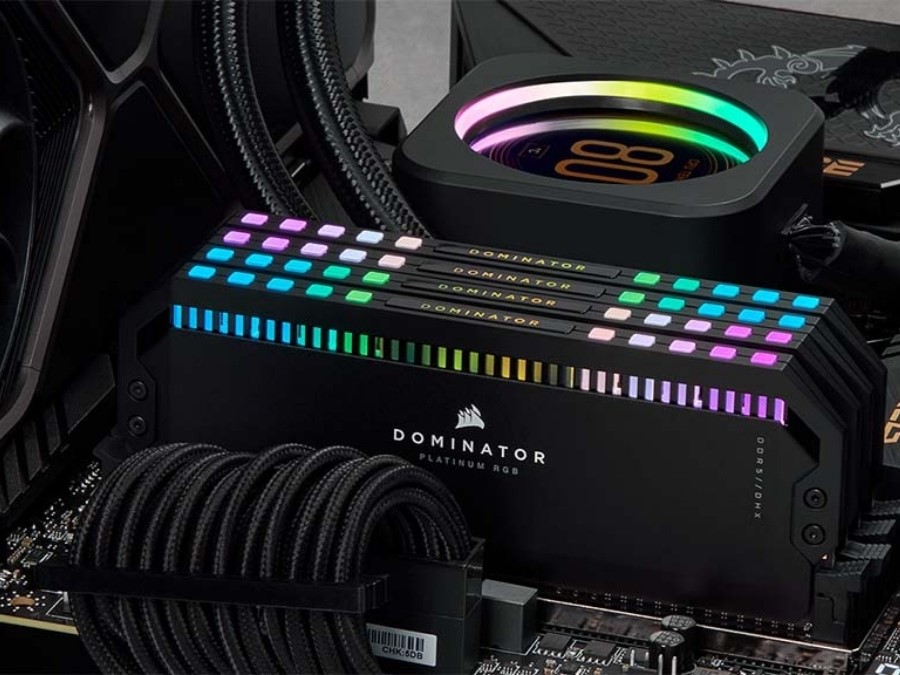
Corsair is under fresh fire from PC builders after a wave of DDR5 RAM order cancellations was followed by discount codes—and then what many shoppers say looks like a quiet round of price hikes that undercuts the value of those discounts.
The controversy started when Corsair canceled multiple DDR5 memory orders that had already been placed, accepted, and confirmed. Customers were later told the cancellations were due to a “pricing mistake” in Corsair’s system. For many PC enthusiasts who plan builds around specific parts and budgets, that explanation didn’t land well. The biggest complaint was simple: if an order is confirmed, the listed price should be honored.
As criticism grew, Corsair tried to smooth things over by issuing 15% discount codes for future purchases. That move didn’t do much to calm the backlash, with customers arguing that a discount on a future order isn’t a real fix for canceled purchases. With frustration still spreading across the PC community, Corsair then increased the offer, issuing 40% discount codes as a goodwill gesture to impacted customers.
But the situation escalated again just two days later. Shoppers began noticing that DDR5 RAM prices in Corsair’s store appeared higher than before—dramatically so in some cases. The concern is that by raising prices soon after distributing 40% coupons, the company effectively reduces the real-world savings customers expected to receive.
A commonly cited example is the Corsair Vengeance 64GB DDR5 kit. It had been listed at $841.99, which was already considered extremely expensive, though not unusual in a market where memory pricing has been pushed up by increased DRAM demand and the ongoing AI-driven boom. After the 40% discount codes went out, the price reportedly jumped to $1,071—an increase of roughly $230.
Another example involves the Corsair Dominator Titanium RGB 48GB DDR5 kit. It was previously priced at $647.99 and later appeared at $819.99, reinforcing the perception that multiple premium DDR5 kits were adjusted upward around the same time.
What’s fueling the anger is that these price changes weren’t announced. Instead, customers say the new, higher prices simply appeared on the store. The practical impact is obvious: even with a 40% coupon, buyers may end up paying close to what these kits cost before the increase—making the “goodwill” discount feel far less generous than it looks on paper.
This isn’t the only recent complaint directed at Corsair’s sales practices. In another incident mentioned by users, a customer reported buying a Corsair prebuilt gaming PC on December 31, receiving an order confirmation, and then having the order canceled without warning. Not long after, the same system was allegedly relisted at a price about $800 higher.
For shoppers, the takeaway is less about any single discount code and more about trust. When confirmed orders are canceled, and prices rise soon after coupons are issued, the community response is predictable: customers start questioning whether they’re seeing genuine deals—or pricing tactics that make those deals look better than they really are.