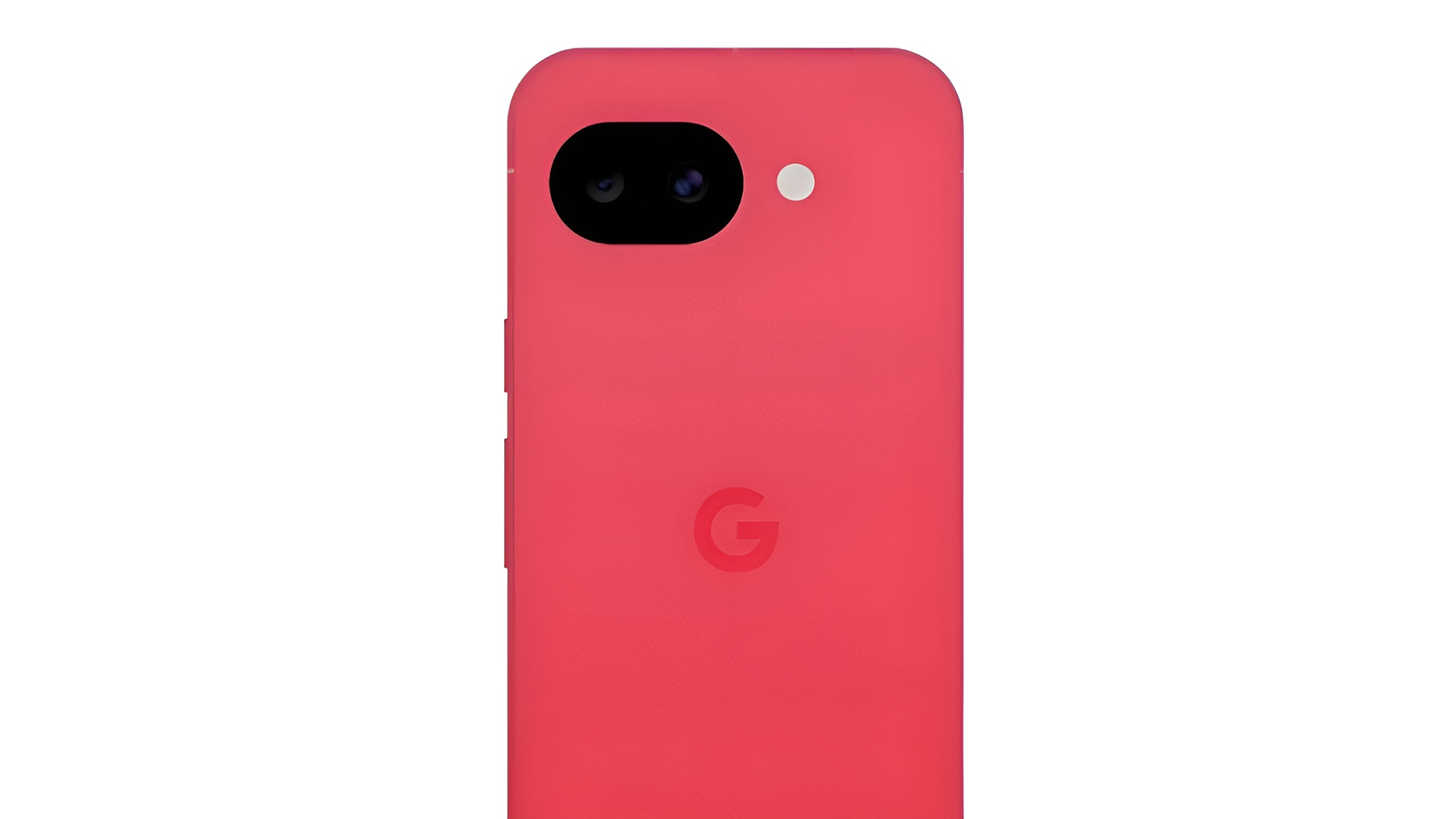
After weeks of mixed signals from the rumor scene about whether Google’s next affordable Pixel would arrive in February or slip to March or even April 2026, the wait is over. Google has now officially teased the Pixel 10a and confirmed a February 18, 2026 launch date—putting a firm end to the speculation around its release timeline.
Pre-orders for the Pixel 10a are set to open on February 18, but shoppers shouldn’t expect to walk into a store and buy one immediately. Current expectations point to in-store availability starting March 05, giving early buyers a short window where online pre-orders lead the rollout.
Alongside the teasers, the Pixel 10a has also been spotted in carrier-related certification information for Verizon, which included several key specs typically associated with Google’s budget-friendly “a” series. The device is expected to feature a 6.285-inch FHD+ AMOLED display with a smooth refresh rate of up to 120Hz, making it a strong option for people who want a fast, responsive screen without paying flagship prices. Under the hood, it’s listed with 8GB of RAM and 128GB of base storage, which should be enough for everyday multitasking, photos, and app use for most users. Powering it all is said to be a 5,100mAh battery, a capacity that suggests excellent day-to-day endurance.
Previous leaks have filled in even more of the picture. The Pixel 10a is expected to measure 153.9 x 72.9 x 9mm, keeping it in a familiar, easy-to-hold size category. Performance should come from Google’s Tensor G4 processor—the same chip used in the Pixel 9a—though reports suggest the Pixel 10a version could be clocked a bit higher. Pricing is rumored to land around a $499 MSRP, reinforcing Google’s strategy of delivering a modern Pixel experience at a more accessible price point.
Color options should add some personality, too. The Pixel 10a is rumored to arrive in Obsidian (dark grey), Fog (beige), Lavender (soft purple), and Berry (red), offering choices that range from understated to bold.
In terms of design, expectations are that Google will stick closely to the Pixel 9a’s overall look and feel. Leaks point to thick bezels and a plastic back, which helps control cost while keeping the device durable enough for daily use. The signature camera bar remains, housing a dual-camera setup on the back. Button placement appears unchanged as well, with the volume key located below the power key. Visible antenna lines from the sides are still present, and the bottom of the phone is expected to keep a balanced layout with symmetrical speaker and microphone cutouts.
One important side effect of the Pixel 10a launch is what it could do to the Pixel 9a’s price. As soon as the newer model arrives, the previous generation often becomes a standout bargain, especially once retailers begin discounting remaining stock. For buyers who don’t need the newest release on day one, that could make the Pixel 9a an appealing alternative in early 2026.
Even with the Pixel 10a positioned as a budget phone, Google is still expected to lean on the Pixel lineup’s biggest long-term advantage: strong software support. The company is anticipated to continue offering up to seven years of software updates, which matters for anyone who wants a phone that stays secure, current, and reliable well beyond the typical upgrade cycle.
With an official February 18 date now locked in, the Pixel 10a is shaping up to be one of the most anticipated midrange Android phones of 2026—especially for shoppers looking for a smooth display, big battery, and long software support without stepping up to premium pricing.