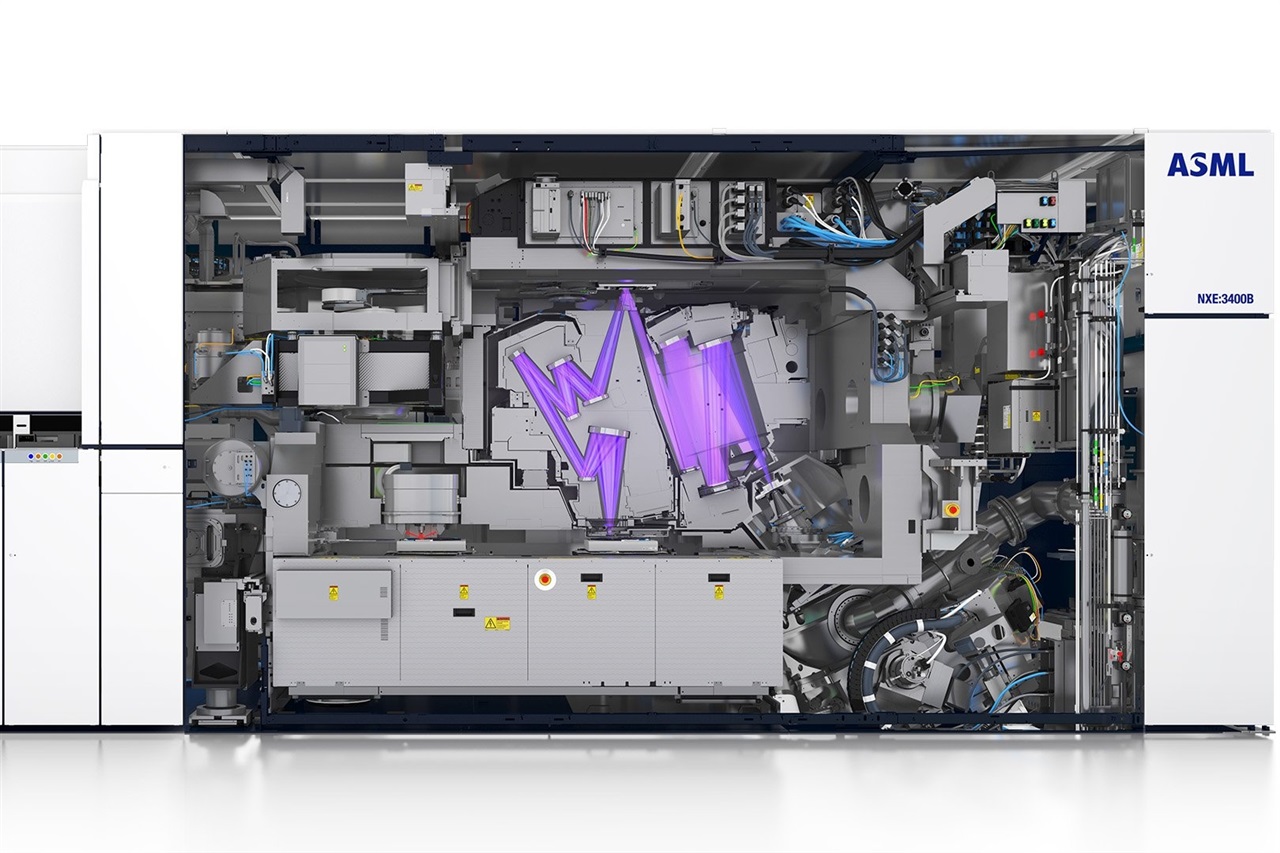
Chip Equipment Makers Face Delivery Delays of Up to 40 Months as Semiconductor Demand Surges
The global semiconductor supply chain is facing a new pressure point as the capacity crunch spreads beyond chip factories and into the companies that build the equipment needed to manufacture chips.
As chipmakers race to expand production capacity, demand for advanced fabrication tools has climbed sharply. However, the equipment makers behind these critical machines are now dealing with their own shortages, especially for highly specialized components. In some cases, delivery times for key parts have reportedly stretched to as long as 40 months, creating a major challenge for the next wave of semiconductor expansion.
This bottleneck shows how complex the chip supply chain has become. Building a modern semiconductor fabrication plant is not as simple as increasing spending or ordering more machines. Advanced chipmaking tools depend on precision parts, custom subsystems, optics, sensors, valves, vacuum equipment, and other components that are often produced by a limited number of suppliers. When those suppliers fall behind, the delay can ripple across the entire industry.
The issue comes at a time when semiconductor companies are investing heavily in new fabs to meet rising demand from artificial intelligence, data centers, electric vehicles, smartphones, consumer electronics, and industrial automation. Governments and major chip manufacturers are also pushing to strengthen domestic chip production, adding even more urgency to expansion plans.
But while fab construction can move quickly with enough capital and labor, the machinery needed to produce advanced chips is far harder to scale. Semiconductor manufacturing equipment is among the most sophisticated technology in the world, and many of its parts require extreme precision and strict quality control. That makes it difficult for suppliers to rapidly increase output, even when demand is strong.
Long equipment lead times could affect how quickly new chip factories come online. If manufacturers cannot receive essential tools on schedule, production ramps may be delayed, limiting the industry’s ability to ease supply shortages or meet future demand. For customers waiting on more chips, that means the path to a fully balanced market may take longer than expected.
The situation also highlights a deeper structural challenge for the semiconductor industry. Years of rising chip demand have encouraged aggressive investment in manufacturing capacity, but the supporting supply chain has not always expanded at the same pace. Equipment suppliers now face the task of increasing production while maintaining the ultra-high standards required for chip fabrication.
For chipmakers, the growing wait for equipment components may force more careful planning and earlier ordering. Companies looking to build or upgrade fabs could need to secure supply agreements well in advance to avoid costly delays. Equipment makers, meanwhile, may need to strengthen partnerships with component suppliers and invest in additional capacity to reduce future bottlenecks.
The semiconductor industry remains one of the most important engines of global technology growth, but the latest delays show that expansion depends on more than just building new factories. The availability of specialized manufacturing equipment is becoming just as critical as the chips themselves.
With delivery times for some components now reaching up to 40 months, the chip sector’s capacity crunch is no longer confined to wafer production. It has moved deeper into the equipment supply chain, creating a new obstacle for an industry already under pressure to deliver the next generation of computing power.