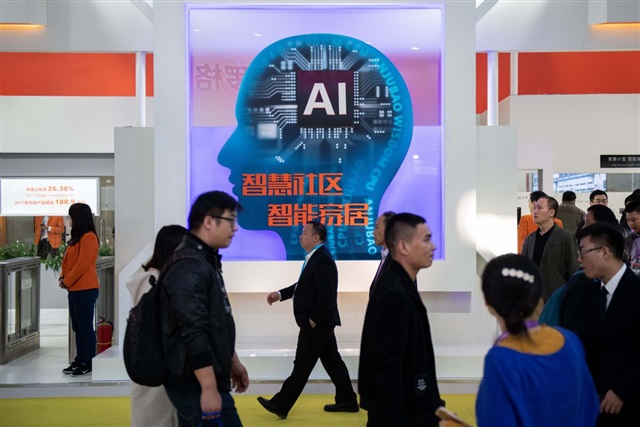
In 2025, the simmering tensions between the United States and China over artificial intelligence have reached new heights, plunging the tech world into a crucial phase. This intensifying conflict has led the US Commerce Department to initiate an export review of Nvidia’s H20 AI chip, a cutting-edge innovation tailored specifically for the Chinese market. This move has echoed across the tech landscape, causing ripples of uncertainty.
In a strategic counter, Chinese tech giants like Huawei, Tencent, and ByteDance are ramping up their AI hiring efforts. These companies are mobilizing resources to ensure they stay competitive in the volatile climate. By expanding their teams and investing in local talent, these tech leaders are fortifying their positions amid escalating geopolitical frictions.
The global stage is keenly observing this rivalry, aware of its potential to shape the future of technology. At its heart, this face-off isn’t just about technological supremacy, but also about wielding influence over the world’s industrial and economic frameworks. Both nations are investing heavily in research and development, aware that the future is inextricably linked to advancements in AI.
For tech enthusiasts and industry watchers, this period represents a fascinating, albeit tense, chapter in the narrative of global innovation. As developments unfold, the world watches closely, eager to see which strategies pay off and how these moves will redefine the landscape of artificial intelligence.