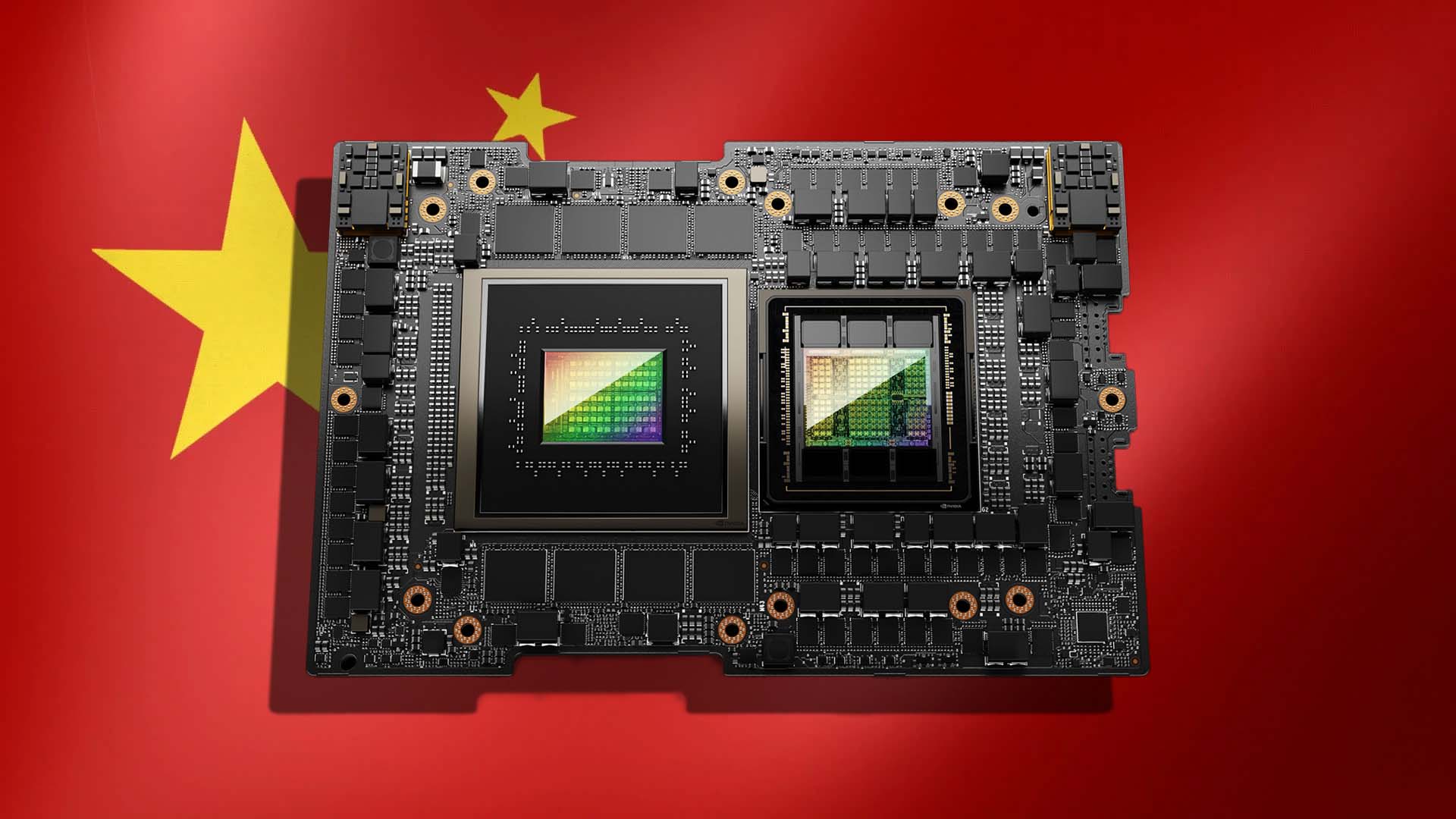
China’s AI Firms Race to Secure NVIDIA GPUs as U.S. Restrictions Tighten
China’s artificial intelligence industry is moving quickly to secure access to advanced NVIDIA AI GPUs as concerns grow over a new wave of U.S. export restrictions. With Washington already limiting direct sales of high-end AI accelerators to China, many Chinese cloud providers, AI startups, and research labs are reportedly searching for alternative ways to lock in computing power before access becomes even harder.
The urgency centers on the growing importance of NVIDIA GPUs in training and running advanced AI models. Chips such as the NVIDIA H100 and H200 are considered essential for large-scale AI development, data center workloads, and generative AI services. Because these processors are restricted under current U.S. export rules, Chinese companies have increasingly relied on overseas cloud platforms, third-party data centers, and regional partners to maintain access to the computing resources they need.
According to reports, major Chinese cloud providers and smaller AI labs have been contacting data center operators across Southeast Asia to secure long-term GPU capacity. These companies are attempting to reserve access to AI servers before U.S. regulators introduce stricter controls on remote access to restricted hardware.
A major concern for China’s AI sector is the proposed Remote Access Security Act, also known as RASA. The legislation would give the U.S. Commerce Department broader authority to block Chinese companies from using restricted AI chips through cloud services, even if the hardware is physically located outside China. The bill has already received strong support in the U.S. House of Representatives and is now awaiting further action in the Senate.
If approved, RASA could significantly reshape how Chinese firms access advanced AI computing power. Current export controls mainly focus on the physical shipment of high-performance chips, but the new legislation would target remote GPU access through international cloud platforms. That could close one of the most important workarounds used by companies seeking AI hardware beyond China’s borders.
The uncertainty has also fueled activity in China’s unofficial hardware markets. Traders and intermediaries are reportedly stockpiling high-end NVIDIA chips in anticipation of tighter enforcement. Demand for advanced AI accelerators remains intense, and companies are preparing for the possibility that cross-border server rentals, indirect purchases, and cloud-based access could soon face tougher scrutiny.
This pressure comes at a crucial time for China’s AI ambitions. Domestic companies are racing to build competitive large language models, enterprise AI tools, and advanced cloud services. Without reliable access to top-tier GPUs, development timelines could slow, training costs could rise, and Chinese AI firms may be forced to depend more heavily on local alternatives.
Huawei’s AI accelerators could benefit from this shift. As U.S. restrictions tighten around NVIDIA hardware, Chinese technology companies may increasingly turn to domestic chip suppliers. However, while China has made progress in AI semiconductor development, NVIDIA’s ecosystem remains difficult to replace due to its strong software support, developer tools, and proven performance in large-scale AI workloads.
For NVIDIA, the situation highlights the complex role it plays in the global AI race. The company’s GPUs are among the most sought-after components in the world, powering everything from cloud AI platforms to next-generation research systems. At the same time, NVIDIA must navigate an increasingly difficult regulatory environment as the U.S. government works to prevent advanced AI technology from reaching restricted entities.
The result is a fast-moving contest between regulation, demand, and supply. Chinese AI firms are trying to secure as much computing capacity as possible, U.S. lawmakers are pushing to close loopholes, and data center operators across Asia are becoming key players in the battle for AI infrastructure.
If stricter rules are approved, China’s AI sector may face a major setback in accessing the most powerful NVIDIA GPUs. That could accelerate investment in domestic chip development, increase reliance on alternative hardware, and push companies to create new strategies for maintaining AI growth under tighter international controls.
For now, the race is already underway. As Washington prepares tougher rules and Chinese firms search for remaining access points, the global competition for AI computing power is becoming more intense than ever.