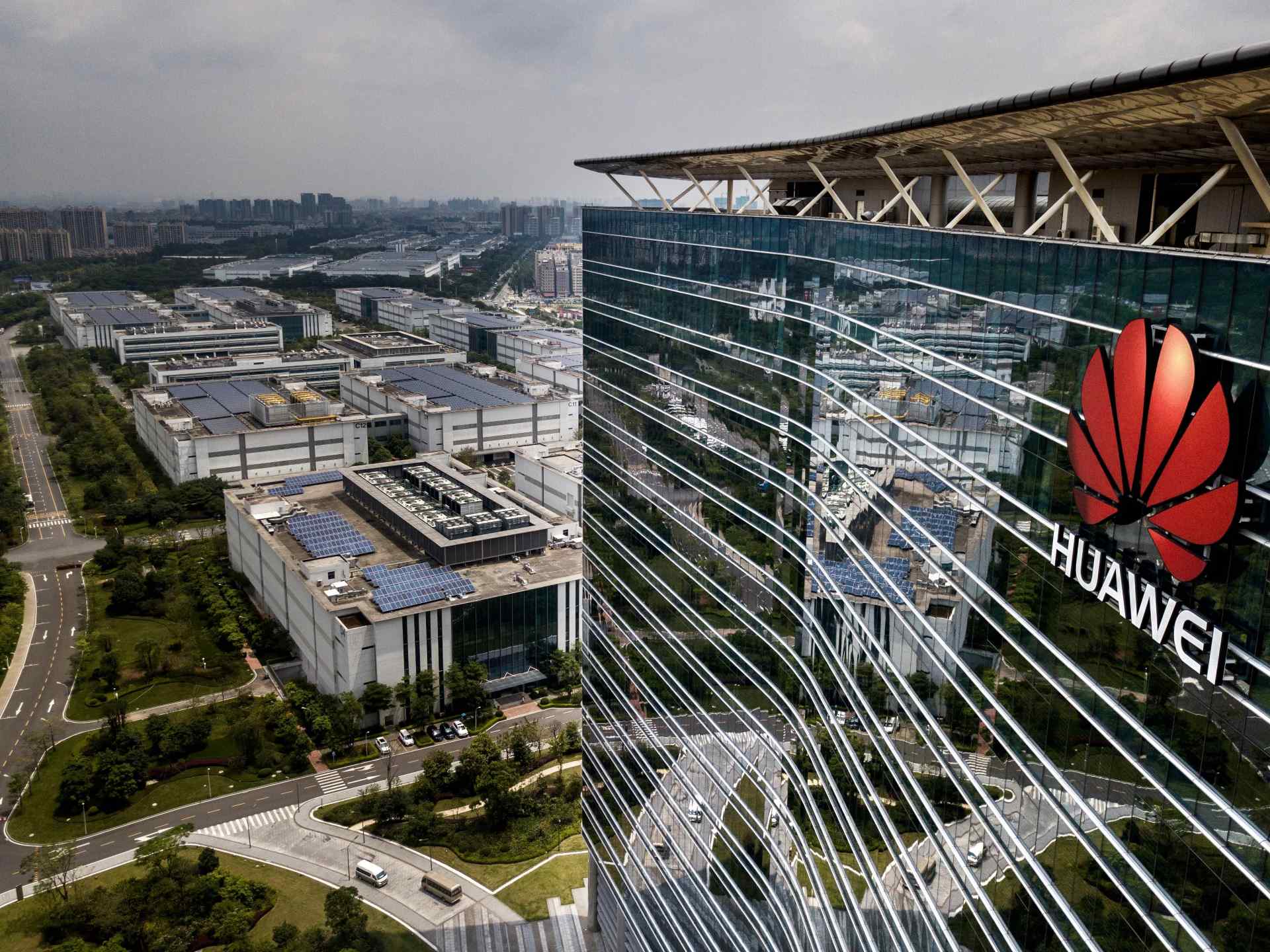
The relentless trade sanctions imposed by the U.S. have pushed Huawei into a corner, driving the Chinese tech giant to claw its way back to prominence. While Huawei is making strides to cut reliance on foreign technology, a prominent Chinese computer scientist has voiced concerns about the company’s monopolistic tendencies, arguing that such a strategy could hinder China’s technological progress against the U.S.
The buzz started with a video on the Chinese platform Bilibili, where Sun Ninghui, a renowned researcher at the Chinese Academy of Sciences and President of the China Computer Federation, critiqued Huawei’s approach. According to Sun, the company has become too insular, prioritizing market dominance over fostering a competitive environment. He cautioned that allowing Huawei to take over everything from chip manufacturing to software could backfire in the global tech race.
Sun’s warning was clear: “I think we are using this kind of Chinese-style closure and monopoly to fight Western-style monopoly and containment, which we certainly can’t win.”
As an expert in high-performance computing, Sun’s views carry weight. During a recent lecture on AI, he stressed that China’s leaders need to boost innovation and diversify the supply chain to reduce reliance on U.S. technology. Such diversification, Sun believes, is crucial for China’s long-term technological independence and success.
Another industry expert, choosing to stay anonymous, echoed Sun’s sentiments. They pointed out that having one dominant company, like Huawei, won’t lead to a healthy innovation ecosystem. Drawing a parallel with South Korea’s Samsung, the expert noted that the country’s tech sector is hindered by Samsung’s market dominance. They also highlighted that Huawei’s preferential treatment in government contracts could stifle competition and innovation if left unchecked.
Yet, not everyone agrees with this grim outlook. A founder at a Chinese venture capital firm downplayed Sun’s concerns, suggesting that the situation isn’t as dire as it seems. According to this founder, China’s immediate priority should be to innovate at critical choke points that only major corporations like Huawei can tackle due to their extensive resources. Once these critical advancements are achieved, attention can then shift to addressing any monopolistic tendencies.
This ongoing debate underscores the complex balance China must strike between leveraging its tech giants’ resources for rapid innovation and ensuring a competitive landscape that fosters diverse technological advancements. How this balance plays out could very well determine China’s future standing in the global tech arena.


