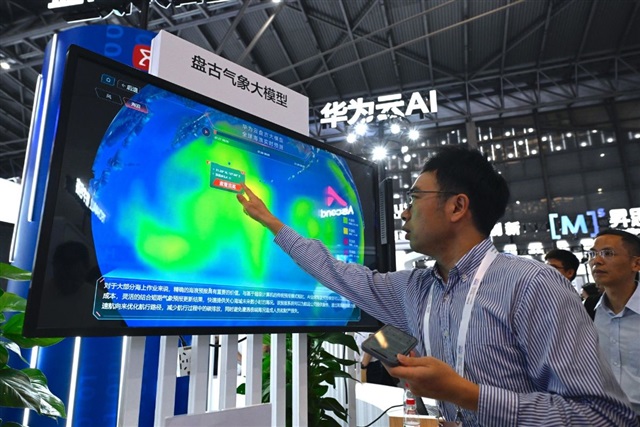
Recent buzz hints at the Chinese government’s push for homegrown firms to lean into local AI processor brands rather than relying on Nvidia’s offerings. Should this encouragement transform into a compulsory directive, it could spell significant challenges on two fronts.
Firstly, the move would be a substantial shift in the competitive landscape of the technology sector. Chinese AI firms would need to intensively focus on bolstering their capabilities and technologies to catch up to or even surpass Nvidia’s renowned products. This shift could ignite a boom in innovation and development within China’s tech industry, potentially leading to groundbreaking advancements and improved self-sufficiency.
Secondly, the change could alter international dynamics, affecting global tech markets and supply chains. A pivot towards domestic brands in China could diminish Nvidia’s market share, compelling the company to possibly seek new strategies and markets. This shift might also prompt other nations to reconsider their reliance on foreign tech, fostering a more diverse and self-reliant global environment.
As these developments unfold, the tech world is keeping a close eye on how China’s strategic direction in AI processors will shape future technological trends and international relations. The unfolding scenario presents both challenges and opportunities that could redefine the global technology landscape.