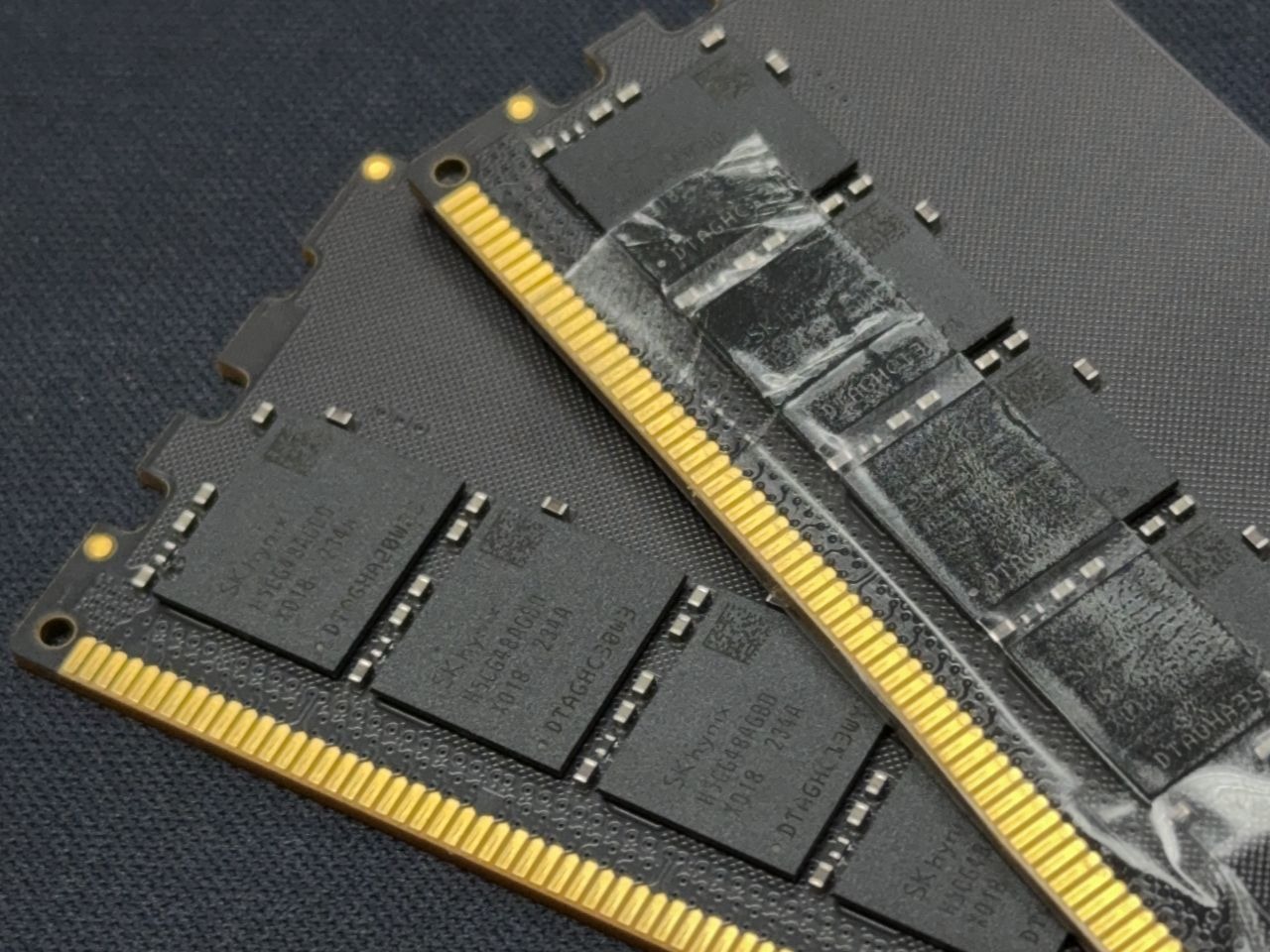
Shoppers in a few regions are finally seeing the occasional break in sky-high RAM pricing, but it’s far from a broad return to normal. The current DRAM market remains extremely volatile, with DDR5 memory prices swinging up and down depending on the week, the product type, and the local market.
That instability was easy to spot earlier this year in Germany, where DDR5 module pricing briefly dipped in March. The relief didn’t last long. Within a couple of weeks, prices climbed again in April, with some DDR5 kits getting more expensive while others saw modest reductions. Even with those mixed movements, the bigger picture hasn’t changed: average DDR5 prices are still sitting more than four times higher than what many buyers would consider “normal,” and in many regions DDR5 kits remain around 4 to 5 times higher than pre-surge levels.
One of the more noticeable drops has been spotted in China, where a 16GB DDR5 SO-DIMM module reportedly hit its lowest price point so far this year. According to a market update shared by @realVictor_M, pricing for a 16GB DDR5 SO-DIMM fell from 1,759 yuan (about $257) in February 2026 to 1,159 yuan (about $169). That’s roughly a 34% decline, which is meaningful for consumers watching every price change in a tough market.
However, even this “discount” comes with a reality check. The same type of kit reportedly sold for around 246 yuan (about $36) last year, making today’s lower price still nearly five times higher than what buyers were paying before. In other words, it’s a notable drop, but it’s not a return to the pricing many laptop upgraders and PC builders are hoping for.
What’s behind the sudden dip remains unclear, and it’s also uncertain whether the decrease is temporary or the beginning of broader DDR5 SO-DIMM price corrections. For now, it’s best viewed as a moment of relief rather than a full market shift. DRAM pricing could remain unpredictable for some time, especially as major memory manufacturers prioritize supply for AI data center demand—an ongoing factor that can keep consumer RAM pricing elevated and slow the path back to stable, affordable DDR5 upgrades.