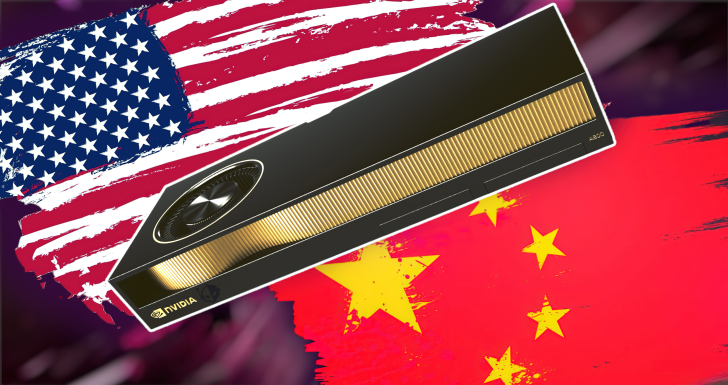
NVIDIA’s plans for the Chinese AI market are facing potential challenges as a regulatory body investigates their H20 AI chips. The Cyberspace Administration of China (CAC) is examining concerns about possible security issues, particularly the presence of backdoors following reports of intended security features by Washington.
The CAC has called NVIDIA to a meeting to clarify if any backdoor mechanisms are integrated into the H20 chips. This investigation is critical because the regulatory authority holds significant power over technological imports into China. Any confirmed security loopholes could halt NVIDIA’s sales, adding to the uncertainty in a market where they have cultivated significant demand.
The scrutiny stems from a bill proposed by US Senator Tom Cotton, pushing for security measures in AI chips sold to countries deemed adversarial, to ensure they are safeguarded from misuse.
Despite these challenges, NVIDIA has already placed substantial new orders with TSMC, edging towards a million units in inventory. After considerable diplomatic efforts to gain approval for sales in China, any new regulatory obstacles could severely impact their business there.
As it stands, the investigation is ongoing, and NVIDIA has not yet encountered any direct impediments. With their existing H20 stock intended for the Chinese market, concerns over hardware backdoors might be premature. Nonetheless, the outcome of this investigation is pivotal for NVIDIA’s continued operations and growth in China.