MediaTek Dimensity 9600 Leak Points to a 2nm Powerhouse for 2026 Flagship Phones and OpenAI’s AI Smartphone
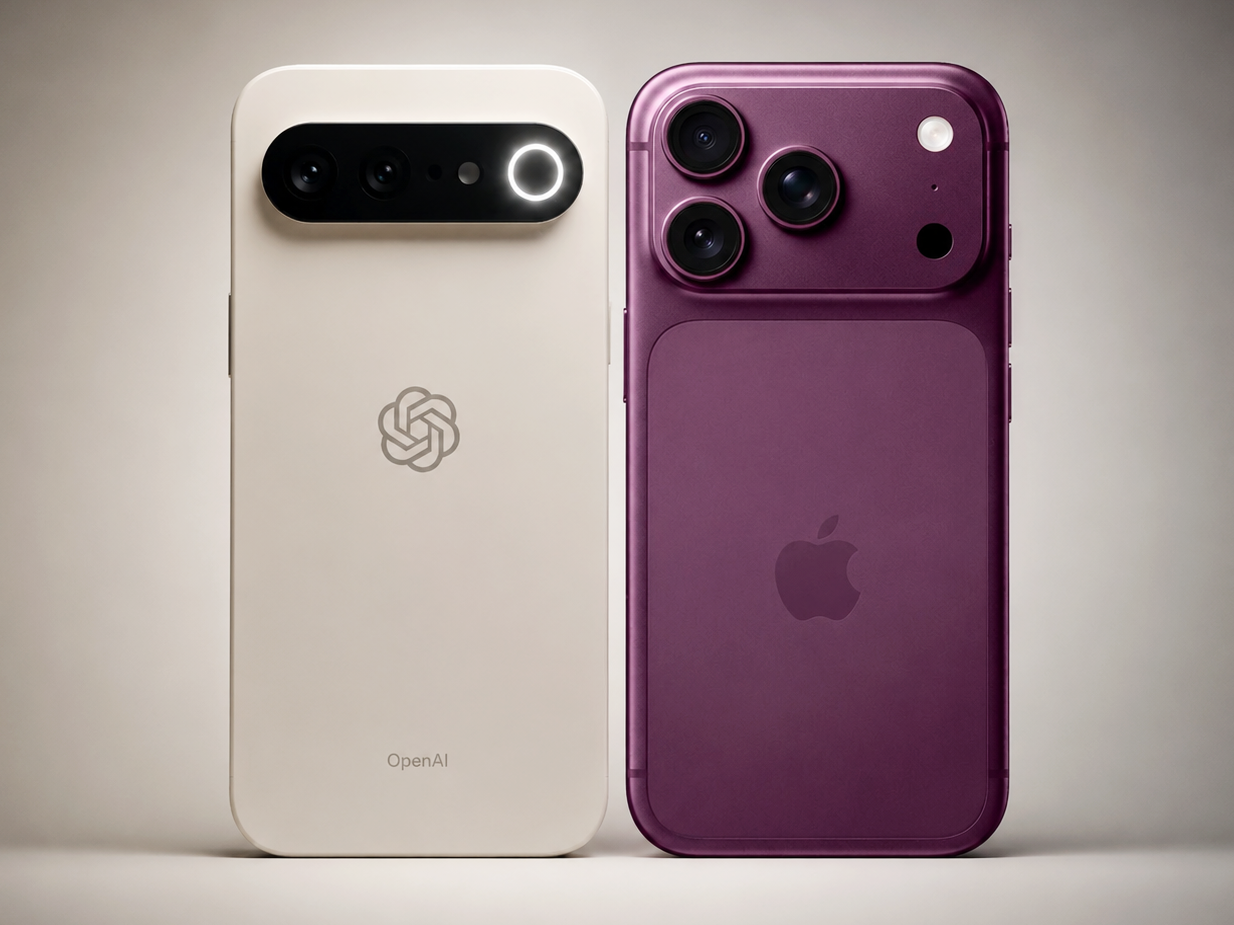
The 2026 flagship smartphone battle is already shaping up to be one of the most exciting in years. Apple, Qualcomm, and MediaTek are all expected to push into the 2nm era, and a new contender may soon join the fight: OpenAI’s first smartphone, reportedly designed around ChatGPT-powered AI features.
A new leak claims that MediaTek’s next-generation Dimensity 9600 could become one of the most important mobile chips of 2026. The flagship processor is expected to power major Android devices, including the Oppo Find X10 Pro series and Vivo X500 series. More interestingly, it may also be used in OpenAI’s upcoming AI-focused phone.
The Dimensity 9600 is expected to be manufactured on a 2nm process, putting it directly against Apple’s A20 Pro, likely destined for the iPhone 18 Pro, and Qualcomm’s Snapdragon 8 Elite Gen 6, expected to appear in top Android flagships such as the Galaxy S27 Ultra.
MediaTek appears to be continuing with its aggressive “all-big-core” CPU strategy. The leaked configuration points to a 2+3+3 CPU layout, designed to deliver extremely high performance across demanding tasks. This approach could help the Dimensity 9600 compete more closely with Apple’s A-series chips, particularly in single-core performance, where Apple has traditionally held a strong lead.
However, the most exciting part of the Dimensity 9600 may not be the CPU. According to the leak, the chip’s GPU could be its biggest advantage. MediaTek is reportedly preparing major graphics upgrades that may allow the Dimensity 9600 to outperform its 2nm rivals in mobile gaming and visual processing.
One of the rumored features is native frame interpolation and upscaling at the hardware level. This could allow smartphones to deliver smoother gameplay and sharper visuals without putting as much strain on the processor or battery. For mobile gamers, that means higher frame rates, better image quality, and potentially longer gaming sessions with less heat.
The Dimensity 9600 is also expected to bring improved ray-tracing performance. Ray tracing has become an important feature in premium mobile gaming, helping create more realistic lighting, reflections, and shadows. If MediaTek can improve efficiency while boosting graphics power, the Dimensity 9600 could become a serious choice for gaming-focused flagship phones in 2026.
AI performance is another major focus. The chip is said to include upgraded Compute Matrix Engine and Scalable Matrix Extension capabilities, which could dramatically improve on-device artificial intelligence processing. This may be one of the main reasons OpenAI is reportedly interested in using MediaTek’s platform for its first smartphone.
A ChatGPT-powered phone would likely need strong local AI performance for fast responses, privacy-focused processing, voice interaction, image understanding, and personalized assistant features. While cloud-based AI will still play a role, powerful on-device AI hardware could make the experience faster and more seamless.
If the reports are accurate, the first smartphones powered by the Dimensity 9600 could arrive in fall 2026. That timing would place them directly against the first wave of Snapdragon 8 Elite Gen 6 Android devices and Apple’s iPhone 18 Pro lineup.
OpenAI’s smartphone is expected to launch later, possibly in late 2026 or early 2027. If it does use a customized version of the Dimensity 9600, it could become one of the first phones built primarily around generative AI rather than traditional smartphone features alone.
The 2026 smartphone chip race is no longer just about faster CPUs and better cameras. It is becoming a competition over AI power, gaming performance, energy efficiency, and how deeply artificial intelligence can be integrated into the mobile experience. With the Dimensity 9600, MediaTek may be preparing its strongest challenge yet to Apple and Qualcomm.