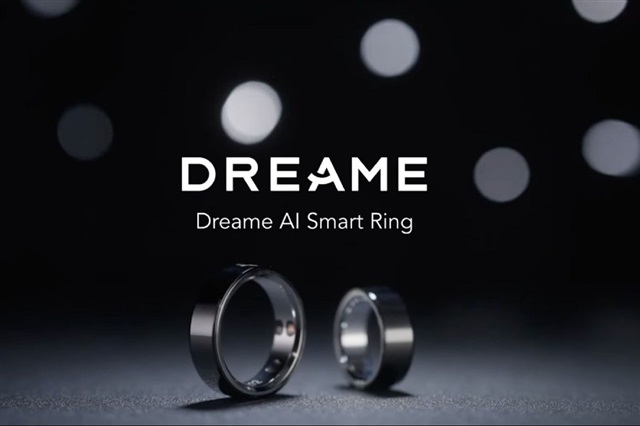
CES 2026 in Las Vegas is once again proving why it’s one of the world’s most influential tech events. This year, many of China’s biggest exhibitors arrived with a clear message splashed across booths and product demos: innovation. The word has been everywhere on the show floor, attached to everything from sleek consumer gadgets to attention-grabbing prototypes designed to stop attendees in their tracks.
The displays have undeniably attracted crowds. With bold marketing, polished presentations, and products positioned as the “next big thing,” Chinese brands have made themselves impossible to ignore at CES 2026. The overall impression is that these companies are eager to be seen not just as manufacturers, but as leaders shaping the future of technology.
At the same time, the spotlight has sparked a debate among attendees and observers. While the products are being promoted as innovative breakthroughs, some people at the event have pointed out that several of the showcased items appear to closely resemble existing concepts already popular in the market. In other words, the conversation isn’t only about what’s new—it’s about how “innovation” is being defined, and where the line sits between inspiration, iteration, and true originality.
That tension is part of what makes CES such a revealing snapshot of the tech industry. On one hand, the ability to refine an idea, improve usability, or make a product more affordable can be a meaningful form of progress. On the other hand, when designs and concepts feel overly familiar, claims of originality can invite skepticism—especially at a global event where competitors, analysts, and industry insiders are watching closely.
The CES 2026 discussion around Chinese product innovation ultimately highlights a larger trend shaping consumer tech: the race is no longer just about who can build the most impressive device, but who can convincingly demonstrate that their ideas are distinct, valuable, and forward-looking. As the show continues, the products earning the most respect may be the ones that can prove their differences not only through branding, but through clear functionality, unique design choices, and real-world advantages for users.