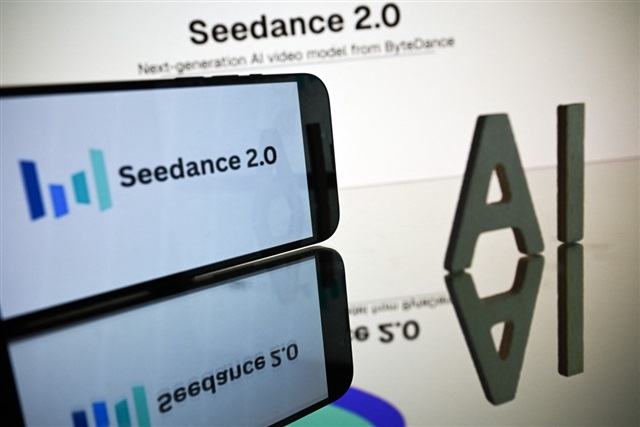
ByteDance, the company behind TikTok, has reportedly paused the global rollout of its new AI video-generation model, Seedance 2.0, as copyright concerns intensify across the entertainment industry.
People familiar with the situation say the delay comes amid growing disputes with major Hollywood studios and streaming platforms, which have become increasingly vocal about how generative AI tools are trained and used. At the heart of the conflict are questions around whether AI models can legally learn from copyrighted film and TV content, and what kind of permissions, licensing, or compensation should be required when that content influences AI-generated videos.
Seedance 2.0 was positioned as ByteDance’s latest step into the fast-moving world of AI video creation, a space that’s attracting attention from creators, advertisers, and brands looking to produce short-form video content faster and at lower cost. However, as studios and rights holders push back, companies building AI video generators are facing higher legal risk and stronger pressure to prove their data sources and training practices are compliant.
While details about the scale of the pause and the exact timing of any future launch remain unclear, the move signals how quickly copyright disputes are becoming a defining challenge for generative AI—especially for tools capable of producing highly realistic video. For ByteDance, the decision to halt a worldwide release suggests it may be weighing legal exposure, potential licensing negotiations, and the reputational impact of rolling out a model while disputes are unresolved.
If the copyright conflicts continue to escalate, Seedance 2.0’s release could depend on behind-the-scenes agreements with content owners, clearer policies on training data, or additional safeguards designed to prevent the generation of videos that closely resemble protected movie and TV material. Either way, the pause highlights a broader reality: as AI video generation becomes more powerful, the battle over who owns creative content—and who gets paid when machines learn from it—is only getting louder.


