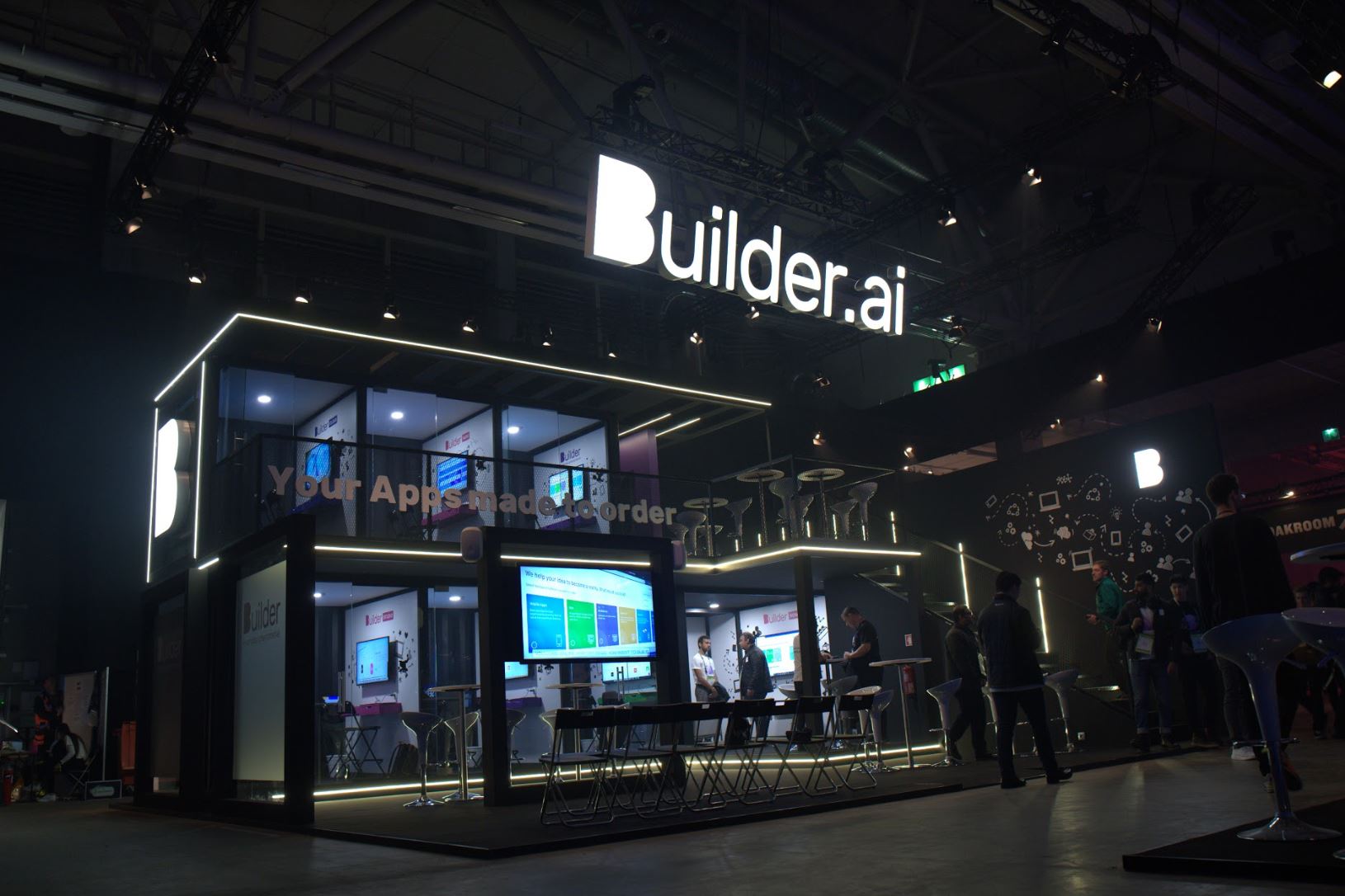
AI technology is advancing at an unprecedented rate, attracting attention and investment like never before. However, concerns are emerging about blindly following the excitement surrounding AI innovations. The saga of Builder.ai highlights some of these dangers.
AI has become one of the most valuable industries, drawing immense financial backing in recent years. Companies like NVIDIA have thrived, growing into trillion-dollar entities. Yet, the allure of AI has also led to instances where startups capitalize on the buzz, only to reveal unexpected realities, much like the case with Builder.ai.
Builder.ai positioned itself as an AI-driven app development platform, boasting an impressive service named Natasha. They claimed it could automate app design and code generation with minimal human intervention. The startup garnered significant attention and financial backing, including a $445 million investment from Microsoft, propelling its valuation to around $1.5 billion.
In reality, the behind-the-scenes operation told a different story. Instead of cutting-edge AI, the promised automation heavily relied on the work of over 700 engineers in India, who manually handled the coding. The pretense was maintained by using pre-built templates and human customization to meet client requests.
Despite Builder.ai’s glamorous demos and AI-centric marketing, the truth surfaced, revealing that human effort was crucial to their service. This misrepresentation led to investigations by authorities in the US and UK, and ultimately, the company declared bankruptcy.
This episode serves as a cautionary tale. While AI holds remarkable potential, the frenzy of the hype can sometimes lead to over-promised and under-delivered results. Builder.ai’s journey underscores the need for scrutiny and authenticity in the rapidly evolving AI landscape—even with significant endorsements from major industry players like Microsoft, the company failed to meet expectations.