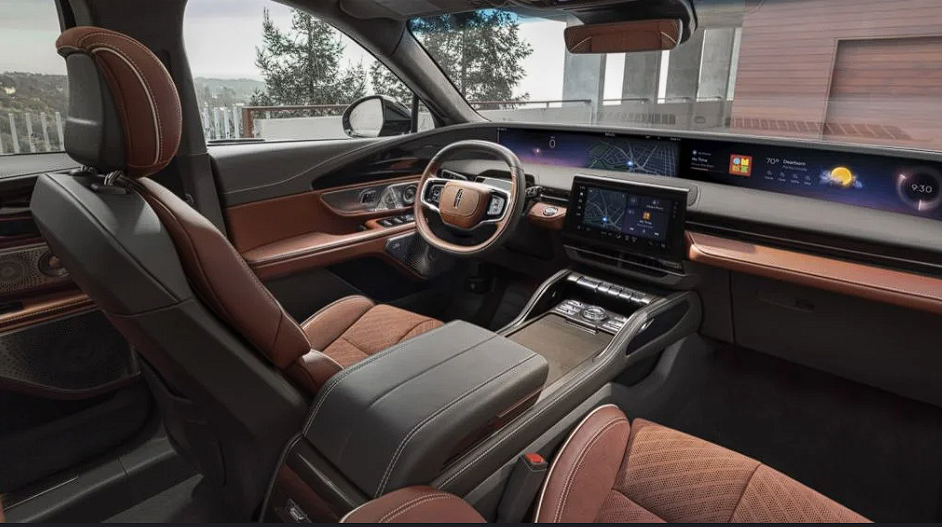
The automotive industry is experiencing a transformative phase with the integration of more advanced infotainment systems, putting traditional players like BlackBerry back in the crosshairs of tech titans Apple and Google. The recent release of the 2024 Lincoln Nautilus has put the spotlight once again on such technologies, particularly Android Automotive OS, which powers the vehicle’s panoramic cockpit display extending across the dashboard.
Ford’s adaptation of Android Automotive OS, complete with Android apps, marks a shift from its former Sync interface based on the QNX platform, which currently operates in over 235 million vehicles worldwide. QNX, a product of BlackBerry, first made headlines with the BlackBerry PlayBook Tablet and has been supporting both Apple CarPlay and Android Auto.
Unlike Android Auto, which requires a smartphone, Android Automotive OS runs natively on a vehicle’s hardware, taking charge of the car’s dashboard telemetry and other systems. Automakers like Volvo, Honda, GM, Cadillac, Renault, Nissan, Buick, and Chevrolet are also integrating Google’s system into their vehicles. Apple is not far behind, set to debut its next-generation Apple CarPlay in brands like Porsche and Aston Martin.
With consumers showing a strong preference for a seamless and familiar smartphone experience in their cars, fully embedded operating systems like those from Google and Apple threaten to sideline BlackBerry’s QNX. Despite its decline in the smartphone market, BlackBerry has remained financially stable, thanks in no small part to QNX and its cybersecurity expertise. Nevertheless, projections by S&P Global estimate that BlackBerry’s market share in automotive operating systems is expected to drop to 5% by 2025.
QNX’s ability to support both Apple and Android interfaces and granting automakers complete control over their systems may yet offer it a lifeline. But Android Automotive OS presents an appealing alternative by permitting car manufacturers like Ford to customize the user interface, aligning with brand identities without sacrificing Apple CarPlay compatibility. Despite this openness, it remains to be seen if Apple will support Android Auto in its foray into automotive interfaces.
Apple’s strategy could be part of a bigger picture, possibly linked to the ongoing development of the Apple Car, rumored for a 2028 launch. The data gleaned from vehicles using its operating system could be valuable for this project. Meanwhile, BlackBerry has wisely expanded into other sectors, employing its QNX software across various industries and Internet of Things (IoT) applications, and leveraging its recognized encryption and security software in enterprise solutions.
While BlackBerry may face a challenging road ahead in the automotive sector due to its formidable competitors, its diversified business strategy might help cushion the impact of market shifts as it encounters familiar competition in a dynamic technological landscape.