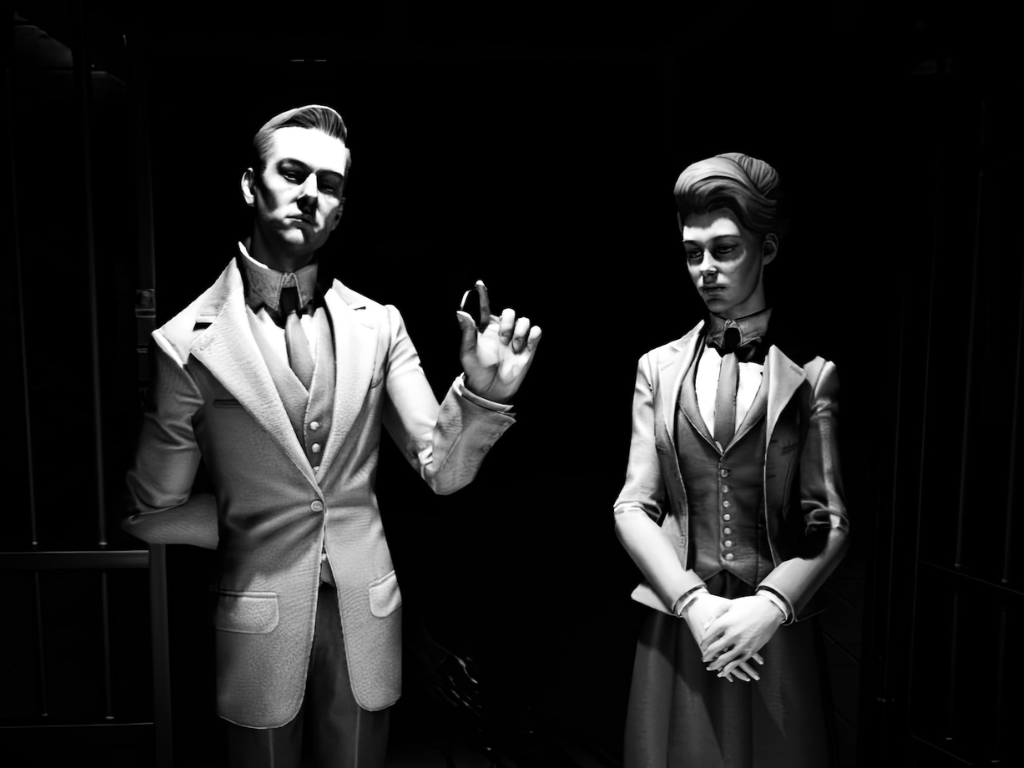
It’s been almost 13 years since BioShock Infinite launched in 2013, and the silence around the next mainline BioShock has only made the wait feel longer. Fans have been eager for any sign of what’s next for the iconic first-person shooter series, and even Take-Two Interactive CEO Strauss Zelnick has now acknowledged what many players have been thinking: the delay has been frustrating.
In a recent interview, Zelnick didn’t try to sugarcoat the situation, saying he’s “deeply disappointed” that the next BioShock has taken so long to materialize. He also pushed back on the idea that major game announcements happen like sudden surprises behind the scenes, explaining that big publishers don’t typically operate on a “one day everything changes” model. Still, he admitted the long development cycle hasn’t met expectations.
So why has BioShock 4 taken so long? According to Zelnick, the biggest issue has been creative direction. He explained that finding the right “creative purchase” was more difficult than expected, and that a lot of time and money was spent exploring ideas that ultimately didn’t work out. In his words, the team ended up “chasing down some creative alleys that turned out to be dead ends.” It’s an unusually candid admission from a top executive, and it highlights just how hard it can be to revive a beloved series without repeating the past or losing what made it special.
Zelnick also tied the BioShock delay to Take-Two’s broader approach of prioritizing quality over speed. He pointed to the same philosophy shaping the company’s biggest releases, including Grand Theft Auto VI, which is currently scheduled for November 19, 2026. The message is clear: the publisher would rather hold a game back than ship something that doesn’t meet its standards—especially when the brand carries massive expectations.
The next BioShock is being developed by Cloud Chamber, a studio created by 2K specifically to build the franchise’s future. But development hasn’t been smooth. Reports from last year indicated the project failed an internal review, with executives reportedly unhappy about the story’s direction. That kind of setback can be a turning point—either the moment a game gets rescued through major changes, or the beginning of an even longer road to completion.
The internal review reportedly led to major consequences at the studio. Around 80 people were laid off, and leadership shifts followed, including moving the game’s director to another role. To stabilize the project, producer Rod Fergusson—who previously worked on BioShock Infinite—was brought in to help guide the new installment forward. While there’s still no confirmed information about the game’s setting, plot, or gameplay changes, the restructuring strongly suggests the publisher wants a reset that puts the next BioShock on firmer ground.
For now, BioShock 4 remains one of the most anticipated upcoming games with the fewest concrete details. What’s clear is that the long wait hasn’t been the result of inactivity—it’s been shaped by creative trial and error, internal scrutiny, and significant development changes. And if Take-Two’s leadership is being this open about disappointment, it likely signals one thing: they know fans are watching, and they know the next BioShock has to be worth the wait.