Little League World Series Betting Sparks Backlash as Offshore Sportsbooks Take Wagers on Kids
The Little League World Series is supposed to be one of the purest events in sports: young baseball players, usually between 10 and 12 years old, representing their regions, chasing a dream on an international stage. It is built around teamwork, sportsmanship, community pride, and the unforgettable experience of playing the game they love.
But the rise of sports betting has pushed into uncomfortable territory, with some offshore sportsbooks offering odds on Little League World Series games.
Most state-regulated sportsbooks in the United States do not allow betting on the Little League World Series. Federally regulated prediction markets have also generally avoided taking wagers on the event. The reason is obvious: these are children, not professional athletes. They are not paid competitors, they are not public figures in the same way adult athletes are, and they should not have their childhood performances turned into gambling markets.
Offshore betting operators, however, are not bound by the same U.S. sportsbook rules. That has allowed some platforms to post odds on games involving children and accept wagers from customers interested in betting on youth baseball outcomes.
One offshore sportsbook executive defended the decision by pointing to customer demand, claiming that bettors request Little League World Series odds every year. According to the company, betting interest in the event has grown sharply, with more money wagered in 2025 than in the previous year. The operator also suggested that certain Little League matchups were drawing more betting activity than some professional baseball games.
That may be true, but popularity does not make it any less troubling.
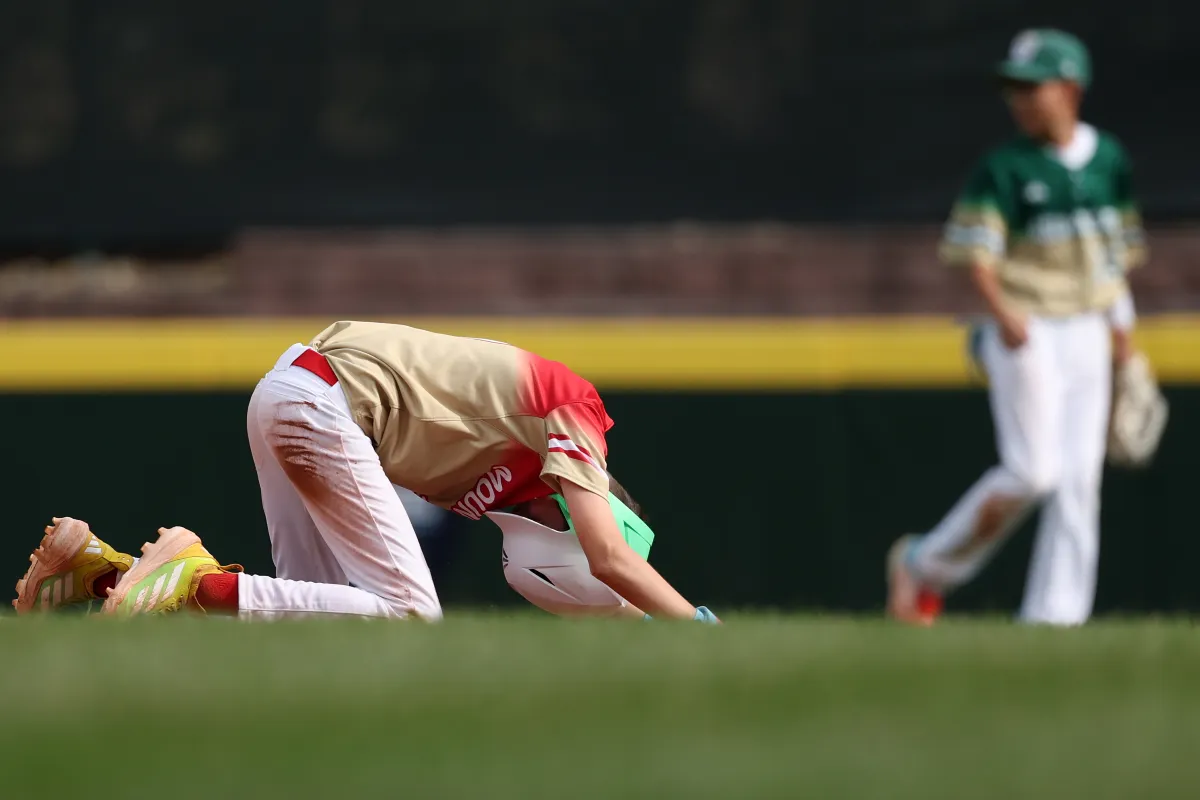
The ethical issue is hard to ignore. The Little League World Series features kids who are still learning how to handle pressure, competition, winning, losing, and mistakes. A dropped fly ball, a missed throw, or a strikeout can already feel overwhelming when it happens on national television. Adding gambling interest to those moments only increases the sense that children’s successes and failures are being used for adult profit.
Little League has previously spoken out against sports betting tied to its games, saying the organization should remain a trusted space where children learn the fundamentals of the sport and the life lessons that come with teamwork, fun, and integrity. The organization has emphasized that no one should exploit the wins or losses of young players for personal financial gain.
That message is worth repeating.
Sports betting has become a major part of the modern sports landscape, but not every competition should be turned into a wagering opportunity. Professional leagues, adult athletes, and regulated markets are one thing. Children playing baseball on a global stage are another.
The Little League World Series should be about joy, development, sportsmanship, and unforgettable memories for young athletes and their families. It should not become another betting board for gamblers looking for action.