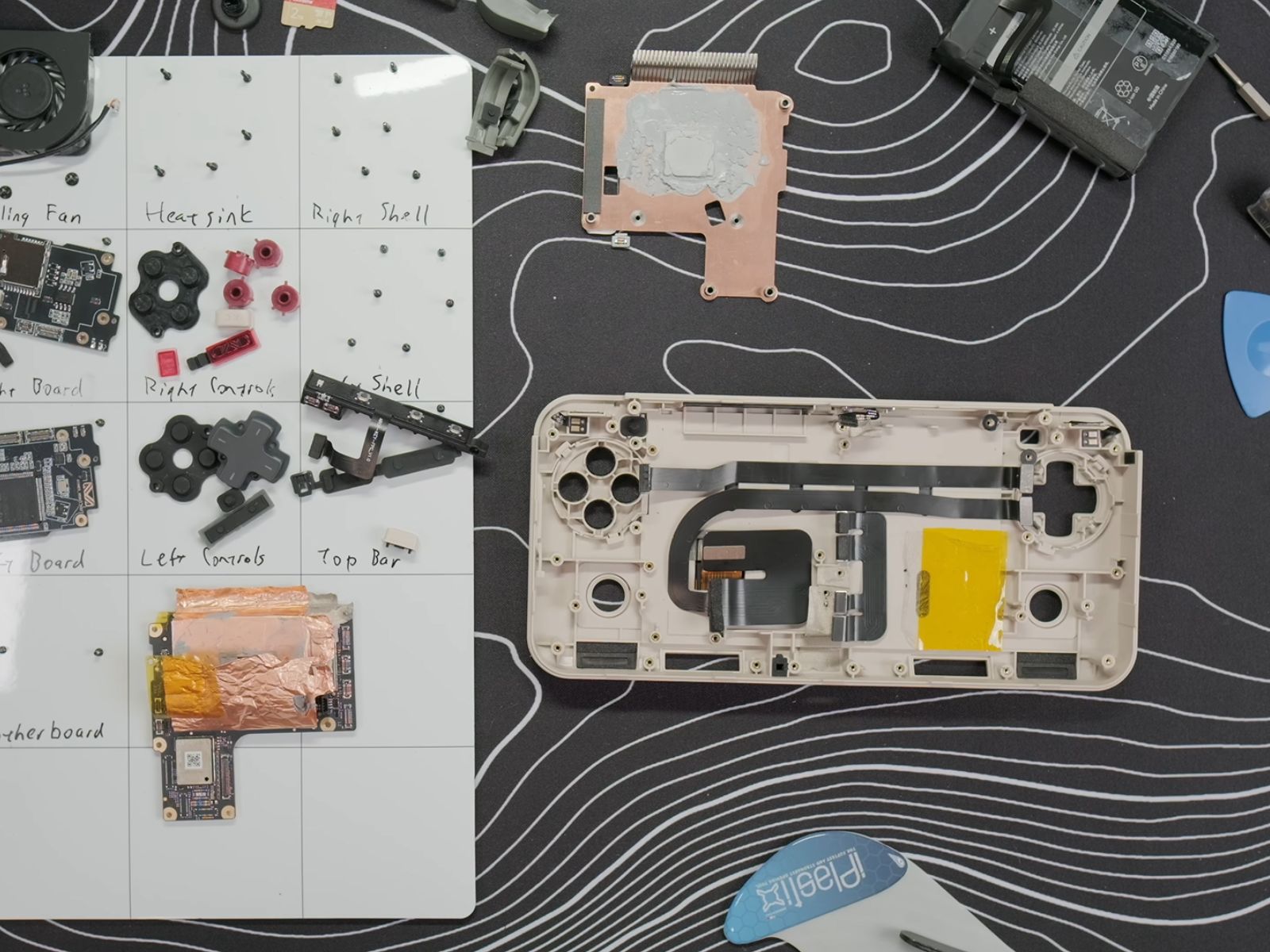
Tech YouTuber What Obie Plays recently explored the Ayaneo Pocket Ace, highlighting some intriguing acoustic and thermal performance modifications on the Snapdragon G3X Gen 2-powered handheld. This device, for those unfamiliar, is an Android gaming console with a 3:2 aspect ratio display. The mods involved custom TPU rings and electrical tape tweaks, which reduced the noise from ABXY and shoulder buttons from around 44 dB to a quieter 39-40 dB—a substantial 24% decrease in perceived sound levels.
While these sound modifications proved effective, efforts to enhance thermal stability with new thermal paste and pads didn’t hit the mark. Despite replacing stock components with XPC thermal pads and Thermal Grizzly Cryonaut Extreme thermal paste, the device scored lower on performance tests. Specifically, it averaged 3,600 points in 3DMark Wildlife Extreme, down from 3,700 with the original setup. This loss in performance was a surprising twist, unlike the YouTuber’s previous success with the Pocket Evo, where similar changes yielded a stable 4,500 score.
The difference seemed to lie in the Pocket Ace’s smaller cooling fan and heatsink, limiting thermal improvements. However, undervolting the device made a noticeable impact. By rooting the console and using KonaBess to adjust the voltage profile, the Pocket Ace scored around 4,500 points in 3DMark with about 90% stability. This performed better than stock results, albeit not reaching the thermal consistency of the Pocket Evo, which has a more robust cooling system.
Daniel concluded that while thermal mods might not be worth the effort, undervolting and noise-dampening mods are valuable upgrades for any Pocket Ace owner willing to dive inside the device. Despite the moderately difficult repairability, mainly due to the battery removal needed to access certain controls—a design aspect Daniel critiqued—the modifications can offer significant improvements.
For those interested in a step-by-step guide, the YouTuber’s complete teardown video provides an in-depth look at the process.