AUO Accelerates AI-Era Transformation With New Leadership Structure
Taiwanese optoelectronics company AUO is moving deeper into its next stage of business transformation, announcing organizational adjustments and senior executive appointments on July 1. The move signals a stronger push to align the company’s operations with emerging opportunities in artificial intelligence, smart display applications, and diversified technology solutions.
The latest reshuffle reflects AUO’s effort to create a more balanced growth model across its business segments. Long known for its display and optoelectronics expertise, the company has been expanding beyond traditional panel manufacturing as global demand shifts toward smarter, more connected, and higher-value applications.
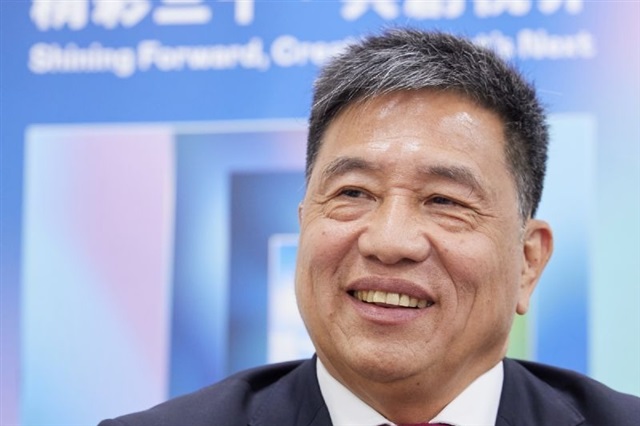
Under the leadership of chairman Paul Peng, AUO has been working to strengthen its position in the AI era by focusing on innovation, operational agility, and new business momentum. The organizational changes are expected to help the company respond more quickly to market trends while improving coordination across its various units.
AUO’s transformation comes at a time when the display industry is facing intense competition, changing customer demand, and rapid advances in artificial intelligence. Instead of relying solely on conventional display products, the company is seeking to build a broader ecosystem that includes smart mobility, industrial applications, healthcare, retail, education, and other vertical markets where advanced display technologies can play a larger role.
The executive appointments are part of a wider strategy to sharpen decision-making and support long-term expansion. By adjusting its leadership structure, AUO aims to give each business area clearer direction while encouraging innovation across the organization. This approach could help the company capture new opportunities as AI-driven technologies reshape how screens, sensors, and visual interfaces are used in everyday life.
The company’s focus on balanced development is especially important as the global technology sector becomes more complex. Customers are increasingly looking for integrated solutions rather than standalone hardware. AUO’s expertise in display technology, combined with its growing emphasis on smart applications, positions it to compete in markets where customization, efficiency, and intelligent design are becoming key differentiators.
AUO’s latest moves also highlight a broader trend among Taiwanese technology companies: the shift from manufacturing-focused operations to innovation-led business models. As AI becomes more deeply embedded in devices, factories, vehicles, and public infrastructure, companies with strong hardware foundations are looking for ways to add software, services, and system-level value.
While the display market remains a core part of AUO’s identity, the company’s ongoing transformation suggests that its future ambitions extend well beyond panels. The July 1 organizational adjustments indicate a continued commitment to building a more flexible and forward-looking company capable of adapting to fast-changing technology cycles.
For AUO, the challenge now is to turn structural changes into measurable growth. If the company can successfully combine its optoelectronics strengths with AI-era innovation, it may be better positioned to develop new revenue streams and remain competitive in the global technology landscape.